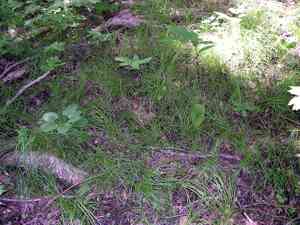
Pennsylvania sedge (Carex pensylvanica)
Also known as: Oak Sedge, Rush, Penn sedge, Common oak sedge
Epimedium, also called Barrenwort, is an ideal ground cover for low-maintenance gardens. This perennial thrives in partial to full shade and is highly drought-tolerant once established. Epimedium produces delicate, colorful blooms in the spring and features attractive, heart-shaped foliage. It adapts well to dry to moist soil conditions, making it a versatile choice for shaded garden areas. Additionally, its resilient nature and minimal care requirements make it a popular option for gardeners seeking an easy-to-manage plant.
In This Article
Attributes of Pennsylvania sedge
Lifespan
Perennial
Plant Type
Herb
Plant Height
10 cm to 45 cm
Spread
50 cm
Leaf Color
Green
Flower Size
2.5 cm
Flower Color
White Yellow Green Cream
Images of Pennsylvania sedge
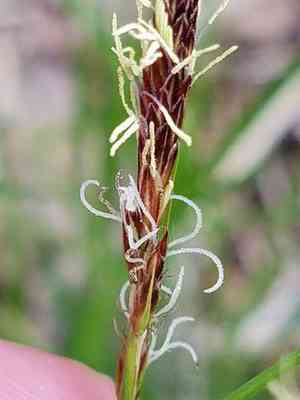
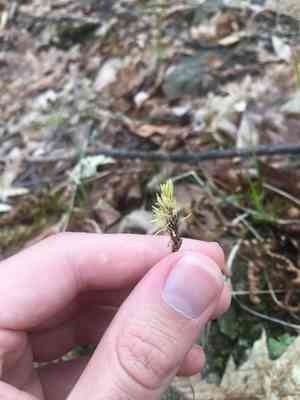
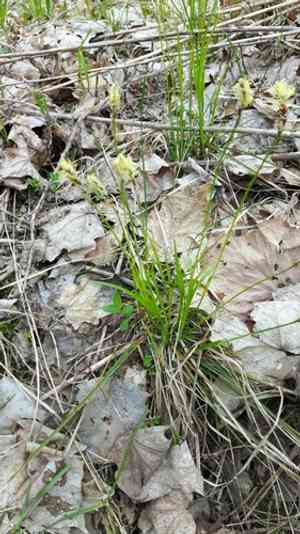
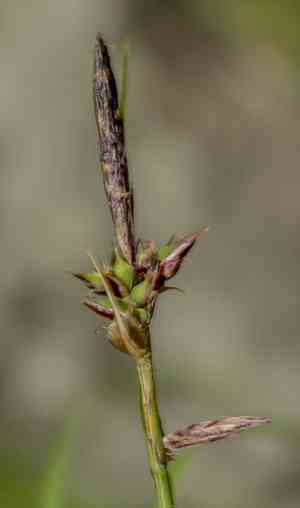
Quickly Identify Pennsylvania sedge
1
Slender, grass-like leaves up to 8 inches (20 cm) long, creating a tufted appearance.
2
Male flowers in spiklets above female flowers on rough, triangular stems in April-May.
3
Green-brown, bladder-like fruit sacs (perigynia) hold ellipsoid seeds in dense clusters.
4
Fine textured foliage forms a soft, green carpet-like ground cover in clumping growth form.
5
Distinct inflorescences at stem tips serve as key identification markers in late spring.
Scientific Classification of Pennsylvania sedge
Phylum
Vascular plants
Class
Monocotyledons
Order
Poales
Family
Sedge
Genus
True sedges
Species
Pennsylvania sedge
Planting and Growing of Pennsylvania sedge
Care Difficulty
Easy
Watering Schedule
Every 3 days
Sunlight Requirements
Partial sun
Sunshine Duration
4-8 hours
Ideal Temperature
60-75℉
Soil Type
Potting Mix, Peat Mix
Soil pH
6.5-7.5
Fertilizer Type
Balanced
Pruning Season
Spring, Summer
Pruning Area
Branches, Leaves
Pruning Frequency
2 times a year
Repotting Season
Spring
Pot Type
Plastic, Ceramic
 How to Water Pennsylvania sedge?
For Carex pensylvanica, ensure to water until the soil feels moist to the touch but not soggy. It thrives in well-drained soil, so about 500 milliliters per watering should suffice, depending on the size of the pot and environment. The goal is to provide enough water for adequate root hydration without waterlogging.
What are the symptoms of an underwatered Pennsylvania sedge?
›
What should I do if my Pennsylvania sedge is not getting enough water?
›
What are the symptoms of an overwatered Pennsylvania sedge?
›
How to save an overwatered Pennsylvania sedge?
›
 What Are the Sunlight Requirements for Pennsylvania sedge?
Partial sun and full shade are ideal for Carex pensylvanica. Sufficient shade ensures even moisture retention and limits exposure, promoting vibrant, healthy plant growth in its natural form.
More About Sunlight Requirements Techniques→
What is the ideal light for Carex pensylvanica?
›
How can I achieve ideal lighting for this plant at home?
›
What are the benefits of achieving the ideal light?
›
 What Is the Ideal Temperature Range for Pennsylvania sedge?
Carex pensylvanica thrives best in a temperature range of 60 to 75 degrees Fahrenheit. This range provides an optimal climate that supports healthy growth and development, with adequate warmth balanced by coolness to prevent stress.
 What Soil is Best for Pennsylvania sedge?
Carex pensylvanica prefers well-drained soil to prevent root rot and other moisture-related issues. Ensuring proper drainage allows the plant to thrive, enhancing its growth and providing a lush look. This sedge does not require overly fertile soil. A moderate level of fertility allows Carex pensylvanica to maintain its structure and density without excessive growth, which could lead to a less aesthetically pleasing clump. Although tolerant of dry conditions, maintaining consistent moisture without waterlogging is beneficial. Proper moisture management helps sustain its vibrant green foliage throughout the growing season.
 How to Fertilize Pennsylvania sedge?
For Carex pensylvanica, using a balanced fertilizer with an N-P-K ratio of 10-10-10 is ideal. Apply liquid fertilizer at half the recommended strength, ensuring that you do not overwhelm the plant. About 1/4 to 1/2 cup of granular fertilizer per plant, spread evenly over the soil, is sufficient.
 How to Prune Pennsylvania sedge?
Begin by examining your Carex pensylvanica plant for any dead or discolored foliage, which is typically brown or yellow. Use sharp pruning shears to trim the damaged leaves at the base. Aim to remove no more than one-third of the plant at a time to avoid shock. Focus on thinning dense areas by selectively trimming stalks to allow light and air to penetrate. This not only keeps the grass neat but encourages robust new growth. Use a slow and steady approach, re-evaluating the plant as you prune, to maintain its natural shape.
More About Pruning Techniques→
 How to Propagate Pennsylvania sedge plant?
1
Carefully dig around the base of the Carex pensylvanica to lift the plant with minimal root disturbance. Shake off excess soil to expose the root structure for division.
2
Using clean, sharp shears, divide the root ball into several sections. Each section should have a healthy amount of roots and foliage to ensure successful reestablishment.
3
Plant each section in well-prepared soil with adequate moisture and nutrients. Ensure each section is covered adequately with soil and is firmly in place to promote stability.
 How to Repot Pennsylvania sedge plant?
1
Carex pensylvanica typically needs repotting when its roots start to outgrow the container, emerging through the drainage holes or crowding the soil surface. This usually happens every two to three years. Another indicator is when water takes too long to drain through the soil, suggesting compaction or root overgrowth.
2
Select a pot that is one size larger than the current one, with ample drainage holes. A larger pot gives roots space to expand, promoting healthy growth, while good drainage prevents waterlogging, which could lead to root rot.
3
Opt for a well-draining potting mix, possibly incorporating sand or perlite for extra drainage. This helps prevent the roots from sitting in water, reducing the risk of rot, while providing adequate aeration for root development.



