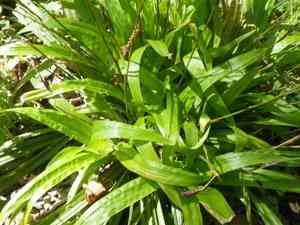
Seersucker sedge (Carex plantaginea)
Also known as: Broad-leafed sedge
Hellebore (Helleborus spp.) is a perennial evergreen that typically reaches heights of 30 to 91 cm. In spring, it showcases striking purple flowers. This plant flourishes in partial shade and prefers soil that is rich in organic matter.
In This Article
Attributes of Seersucker sedge
Lifespan
Perennial
Plant Type
Herb
Plant Height
15 cm to 91 cm
Spread
25 cm to 30 cm
Leaf Color
Green
Flower Size
2.5 cm
Flower Color
Yellow Brown Black
Images of Seersucker sedge
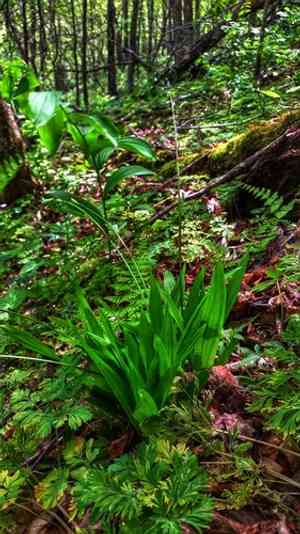
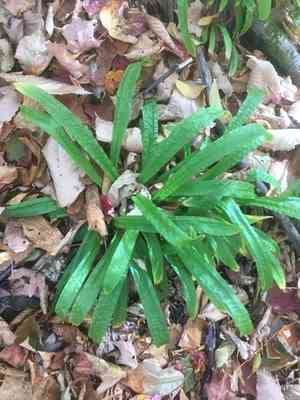
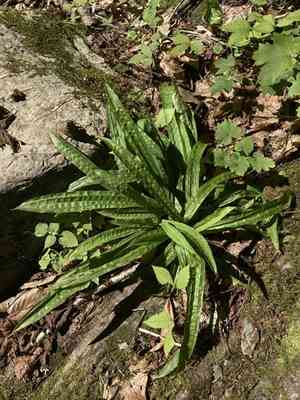
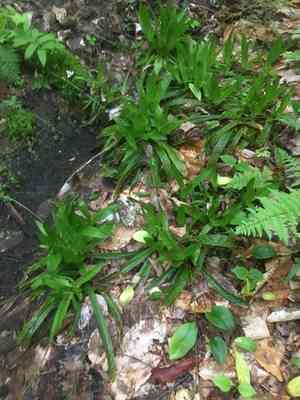
Quickly Identify Seersucker sedge
1
Broad, pleated leaves resembling large Plantago leaves, 2-3 inches (5-7.6 cm) wide.
2
Prefers shade, browning in direct sunlight; thrives in cooler, moisture-rich environments.
3
Flowers early spring to early summer with greenish-brown spikes, unisexual with male and female sections.
4
Slender, cylindrical flower spikes 1-2 inches (2.5-5 cm) long, densely packed with tiny flowers.
5
Distinctive light green leaves with purple-sheathed base, broad linear shape, smooth texture, and tapering apex.
Scientific Classification of Seersucker sedge
Phylum
Vascular plants
Class
Monocotyledons
Order
Poales
Family
Sedge
Genus
True sedges
Species
Seersucker sedge
Planting and Growing of Seersucker sedge
Care Difficulty
Easy
Watering Schedule
Every 2 days
Sunlight Requirements
Partial sun
Sunshine Duration
4-8 hours
Ideal Temperature
60-75℉
Soil Type
Potting Mix, Peat Mix
Soil pH
6.5-7.5
Fertilizer Type
Balanced
Pruning Season
Spring, Summer
Pruning Area
Branches, Leaves
Pruning Frequency
2 times a year
Repotting Season
Spring
Pot Type
Plastic, Ceramic
 How to Water Seersucker sedge?
For Carex plantaginea, water until the soil is moist but not soggy. Aim to saturate the soil evenly, but ensure proper drainage to prevent waterlogging. The plant enjoys slightly more moisture than some other species, so about 250ml per watering should suffice.
What are the symptoms of an underwatered Seersucker sedge?
›
What should I do if my Seersucker sedge is not getting enough water?
›
What are the symptoms of an overwatered Seersucker sedge?
›
How to save an overwatered Seersucker sedge?
›
 What Are the Sunlight Requirements for Seersucker sedge?
Carex plantaginea thrives in partial sun to full shade, benefiting from a light environment that mirrors its natural habitat. Optimal light supports robust foliage growth and the plant’s overall vigor.
More About Sunlight Requirements Techniques→
What is the best location for Carex plantaginea?
›
How can I create the ideal light conditions at home?
›
Why is achieving ideal light conditions important for this plant?
›
 What Is the Ideal Temperature Range for Seersucker sedge?
The optimal temperature range for Carex plantaginea is between 60°F and 75°F. This range allows the plant to photosynthesize efficiently and maintain proper growth. In this temperature zone, metabolic processes are finely tuned, ensuring vibrant foliage and robust overall health.
 What Soil is Best for Seersucker sedge?
Carex plantaginea thrives in soils with consistent moisture. Adequate water retention aids in its lush growth, maintaining its striking green coloration, which is vital for ornamental applications. This plant prefers nutrient-rich soil, which supports its vigorous growth and ensures the attractive appearance of its foliage. Organic matter in the soil can significantly enhance nutrient availability. Although this species enjoys moisture, it cannot withstand stagnant water. Well-draining soil prevents root rot, ensuring the plant remains healthy and robust.
 How to Fertilize Seersucker sedge?
For Carex plantaginea, moderate amounts of fertilizer are ideal. Use 1/4 to 1/2 teaspoon of liquid fertilizer per gallon of water, ensuring it provides a balanced nutrient profile. Applying excessive amounts may harm the plant roots, so be cautious.
 How to Prune Seersucker sedge?
Begin by identifying older, discolored leaves that appear less vibrant. These are usually located at the base, and selectively removing them will rejuvenate the plant. Trim back any brown or damaged leaf tips, cutting at a slight angle. This helps water run off and reduces the risk of rot, giving the plant a cleaner appearance. In early spring, perform a more significant cut back if needed. This involves cutting the entire plant back by a third to boost new growth as the plant emerges from winter dormancy.
 How to Propagate Seersucker sedge plant?
1
Begin by watering the plant thoroughly a day before you plan to divide it. This helps reduce stress and makes it easier to remove from the ground. Choose a cool day to minimize stress on both the parent and divided plants.
2
Carefully dig around the base of the plant to lift it from the soil. Shake off excess soil to expose the roots. Use your hands or a sharp knife to divide the plant into smaller clumps, ensuring each has a healthy portion of roots.
3
Choose a suitable area in your garden with similar conditions and prepare the soil by loosening it and adding compost. Plant each division at the same depth as the original, water thoroughly, and mulch to retain moisture.
 How to Repot Seersucker sedge plant?
1
Carex plantaginea should be repotted when you notice roots emerging from the drainage holes or when growth becomes stunted. Another signal is if the soil dries out extremely quickly after watering.
2
Select a pot slightly larger than the current one to allow room for growth. Ensure it has good drainage to prevent waterlogging, which can lead to root rot in Carex plantaginea.
3
Opt for a well-drained loamy soil mix. This type of soil retains moisture well but also allows excess water to drain, reducing the risk of overwatering—a key requirement for this species.



