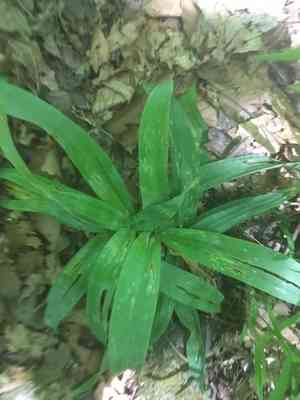
Broad-leaf sedge (Carex platyphylla)
Also known as: Wide-leaved sedge
Broad-leaf sedge (Carex platyphylla) is a shade-loving, perennial plant native to eastern North America, easily recognized by its wide, smooth, blue-green leaves. Unlike many other sedges, it thrives in shady environments.
Key characteristics and growing conditions:
- Light: Prefers partial to full shade.
- Soil: Moist, well-drained, and slightly alkaline soil.
- Water: Requires consistent moisture but can endure brief dry spells.
- Uses: Popular in woodland gardens and shaded borders, also available in various ornamental cultivars.
- USDA Hardiness Zones: 4-8.
Ideal for creating lush, dense ground cover in shaded areas.
In This Article
Attributes of Broad-leaf sedge
Lifespan
Perennial
Plant Type
Grass
Plant Height
15 cm to 36 cm
Spread
15 cm to 30 cm
Leaf Color
Green Blue
Flower Size
Small, inconspicuous
Flower Color
Brown White Yellow Green Purple
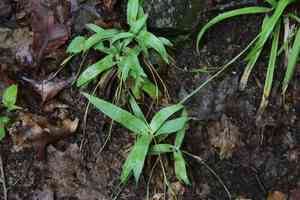
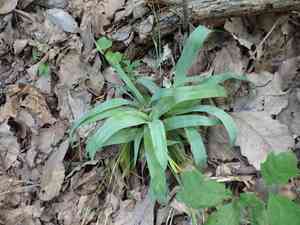
Images of Broad-leaf sedge
Quickly Identify Broad-leaf sedge
1
Distinct blue-green leaves with metallic sheen
2
0.8 inches (2 cm) wide leaf blades
3
Brownish flower spikes up to 10 inches (25 cm) tall
4
Spikes of small greenish flowers without petals
5
Perigynium fruit with subtle tapering 0.08 inches (2 mm) beak
Scientific Classification of Broad-leaf sedge
Phylum
Vascular plants
Class
Monocotyledons
Order
Poales
Family
Sedge
Genus
True sedges
Species
Broad-leaf sedge
Planting and Growing of Broad-leaf sedge
Care Difficulty
Easy
Watering Schedule
Every 3 days
Sunlight Requirements
Partial sun
Sunshine Duration
6-10 hours
Ideal Temperature
60-75℉
Soil Type
Potting Mix, Peat Mix
Soil pH
6.5-7.5
Fertilizer Type
Balanced
Pruning Season
Spring, Summer
Pruning Area
Branches, Leaves
Pruning Frequency
2 times a year
Repotting Season
Spring
Pot Type
Plastic, Ceramic
 How to Water Broad-leaf sedge?
For Carex platyphylla, the watering should be consistent but moderate. The soil should be kept slightly moist but not soggy. You can check soil moisture by inserting your finger about an inch deep into the soil; it should feel damp but not wet.
What are the symptoms of an underwatered Broad-leaf sedge?
›
What should I do if my Broad-leaf sedge is not getting enough water?
›
What are the symptoms of an overwatered Broad-leaf sedge?
›
How to save an overwatered Broad-leaf sedge?
›
 What Are the Sunlight Requirements for Broad-leaf sedge?
Carex platyphylla ideally thrives in environments offering partial sun to full shade. This light range supports lush growth, vibrant leaf color, and overall plant health without the risks associated with direct sunlight exposure.
More About Sunlight Requirements Techniques→
What is the ideal light level for Carex platyphylla?
›
How can I provide the ideal lighting for Carex platyphylla?
›
What are the benefits of ideal lighting for Carex platyphylla?
›
 What Is the Ideal Temperature Range for Broad-leaf sedge?
The ideal temperature range for growing Carex platyphylla is between 60°F and 75°F. This range is optimal for its growth and ensures proper metabolic function and photosynthesis. Maintaining these temperatures promotes healthy foliage and root development.
 What Soil is Best for Broad-leaf sedge?
For Carex platyphylla to thrive, well-drained soil is vital. It prevents root rot by allowing excess water to escape. This characteristic ensures healthy root development by maintaining optimal moisture levels without waterlogging. Carex platyphylla benefits from moderately fertile soils that provide necessary nutrients for growth. Such soils enhance lush foliage development and vigor by supplying adequate macronutrients. Keeping the soil moderately moist is crucial for this plant. It ensures continued nutrient absorption and minimizes stress during dry spells, promoting robust health and consistent growth.
 How to Fertilize Broad-leaf sedge?
Carex platyphylla requires a balanced approach when it comes to fertilization. You should apply a gentle, well-balanced fertilizer to avoid over-fertilizing. For liquid fertilizers, mix them according to package instructions and ensure the solution is neither too concentrated nor too light to provide just enough nutrients for healthy growth.
 How to Prune Broad-leaf sedge?
Select sharp, clean scissors or pruning shears that match the size of the leaves and stems you're trimming. The right tools ensure clean cuts that promote healthy regrowth. Start by trimming the outermost layer of leaves, circling the plant to achieve an even look. Progressively move inward, removing leaves as needed to create a balanced appearance. When removing leaves, trim them close to the base of the plant. This helps to ensure a clean cut and prevents sections of the leaf stem from turning brown or dying off.
More About Pruning Techniques→
 How to Propagate Broad-leaf sedge plant?
1
Begin by watering the plant a day before dividing. This moistens the soil and makes it easier to extract the plant without harming its roots. Ensure the plant is healthy and free of diseases.
2
Using a garden spade, gently dig around the perimeter of the plant. Lift it carefully, and use pruning shears to divide the root ball into smaller clumps. Ensure each clump has a healthy set of roots.
3
Immediately replant the divided sections in well-prepared soil. Space them out sufficiently to allow for growth, and water thoroughly after planting to settle the soil around the new clumps.
 How to Repot Broad-leaf sedge plant?
1
For Carex platyphylla, it's essential to watch for signs like overcrowded roots or slowed growth. The best time to repot is when you observe these signals, typically in early Spring or Autumn, ensuring the plant acclimates before extreme weather.
2
Select a pot that is one size larger than the current one, with drainage holes to prevent waterlogging. A slightly spacious pot allows for root expansion and promotes healthier growth, reducing the risk of root rot.
3
Opt for a rich, organic potting mix that retains moisture but drains well. This aids in providing the roots with nutrients and adequate aeration, ensuring the plant remains healthy and robust.



