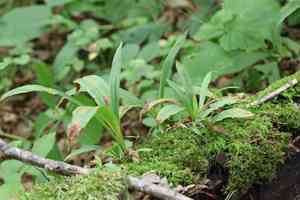
Creeping broad-leaf sedge (Carex siderosticta)
Also known as: Snow cap
Creeping broad-leaf sedge (Carex siderosticha) is recognized for its wide, vibrant leaves and spreading growth pattern. Unlike sharp-edged plants, it has softer, broad foliage that creates a lush, green carpet. It is ideal for:
- Ground cover in shaded garden areas.
- Adding texture and visual interest to garden edges and borders, especially in spring.
This sedge thrives in moist, well-drained soil and shaded conditions, making it a low-maintenance choice for gardeners. Additionally, it supports biodiversity by providing habitat for various Satyr larvae. Its ease of care and adaptability make it a popular option for enhancing shaded garden spaces.
In This Article
Attributes of Creeping broad-leaf sedge
Lifespan
Perennial
Plant Type
Grass
Plant Height
15 cm to 30 cm
Spread
15 cm to 30 cm
Leaf Color
White Green
Flower Size
2.5 cm
Flower Color
Brown
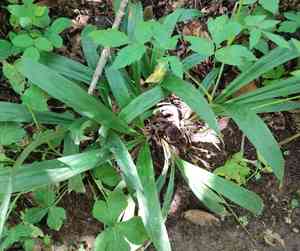
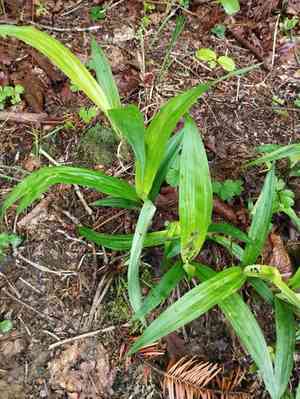
Images of Creeping broad-leaf sedge
Quickly Identify Creeping broad-leaf sedge
1
Lush broad leaves, 1.25 inches (3.175 cm) wide, forming a dense vegetative mat with coarse texture.
2
Creeping via rhizomes, forming robust clumps in moist environments, spreading controllably.
Scientific Classification of Creeping broad-leaf sedge
Phylum
Vascular plants
Class
Monocotyledons
Order
Grasses, sedges and allies
Family
Sedge
Genus
True sedges
Species
Creeping broad-leaf sedge
Planting and Growing of Creeping broad-leaf sedge
Care Difficulty
Easy
Watering Schedule
Every 4 days
Sunlight Requirements
Partial sun
Sunshine Duration
4-8 hours
Ideal Temperature
60-77℉
Soil Type
Potting Mix, Peat Mix
Soil pH
6.5-7.5
Fertilizer Type
Balanced
Pruning Season
Spring, Summer
Pruning Area
Branches, Leaves
Pruning Frequency
2 times a year
Repotting Season
Spring
Pot Type
Plastic, Ceramic
 How to Water Creeping broad-leaf sedge?
When watering Carex siderosticta, aim for around 250 milliliters per session. This amount ensures that the soil is moist but not waterlogged. Always allow the topsoil to dry out slightly between waterings. The goal is to maintain consistently moist soil that never actually dries out completely.
What are the symptoms of an underwatered Creeping broad-leaf sedge?
›
What should I do if my Creeping broad-leaf sedge is not getting enough water?
›
What are the symptoms of an overwatered Creeping broad-leaf sedge?
›
How to save an overwatered Creeping broad-leaf sedge?
›
 What Are the Sunlight Requirements for Creeping broad-leaf sedge?
Carex siderosticta prefers partial sun to full shade, benefiting from 2 to 6 hours of light daily. Such conditions maintain healthy foliage and encourage optimal growth without stress.
What is the best placement for Carex siderosticta to thrive?
›
Can Carex siderosticta tolerate full shade well?
›
How to ensure Carex siderosticta receives adequate light indoors?
›
 What Is the Ideal Temperature Range for Creeping broad-leaf sedge?
Carex siderosticta, commonly known as broad-leaved sedge, thrives best in an environment where temperatures vary between 60 and 77 degrees Fahrenheit. These temperatures support optimal growth and development by providing a suitable atmosphere for photosynthesis and nutrient uptake. The plant can effectively manage its moisture levels and carry out its physiological processes when maintained within this range.
 What Soil is Best for Creeping broad-leaf sedge?
Carex siderosticta thrives in soil that retains moisture without becoming waterlogged. This is crucial for its growth as consistent moisture supports its lush, green foliage, and helps the plant withstand periods of drought. Rich in organic matter, the soil should provide ample nutrients for the healthy growth of Carex siderosticta. Well-fertilized soil encourages robust growth and vibrant leaf color, optimizing photosynthesis. While moisture is important, the soil must have good drainage to prevent root rot. Carex siderosticta benefits from well-drained conditions as it reduces the risk of fungal infections and promotes healthy root development.
 How to Fertilize Creeping broad-leaf sedge?
Carex siderosticta, commonly known as broad-leaved sedge, does well with balanced fertilization. Use a 10:10:10 NPK fertilizer, applying approximately 100 grams per square meter for solid fertilizers. For liquid fertilizers, mix at a concentration of 1 tablespoon per gallon of water.
 How to Prune Creeping broad-leaf sedge?
Begin by carefully examining the plant to identify any dead or discolored leaves. Use sharp pruning shears to trim these away at the base, encouraging new growth. Next, thin out any overly dense areas by cutting back some of the older stems to allow air and light to reach the center of the plant. This helps prevent disease and keeps the plant looking tidy and attractive. Finally, always clean your pruning tools before and after use to prevent the spread of plant diseases.
More About Pruning Techniques→
 How to Propagate Creeping broad-leaf sedge plant?
1
Choose early spring as the ideal time to divide Carex siderosticta. During this time, the plant is emerging from dormancy, and new growth helps in establishing divided sections quickly.
2
Use a garden spade to carefully dig up the parent plant, ensuring you maintain most of the root structure. This step is crucial to minimize shock and promote healthy new growth in the divisions.
3
Gently separate the clumps with your hands or use a sharp knife for more stubborn sections. Make sure each section has a good amount of roots and shoots for successful establishment.
 How to Repot Creeping broad-leaf sedge plant?
1
Carex siderosticta needs repotting when its roots start to emerge from the drainage holes or when growth has considerably slowed down, indicating limited space.
2
Select a pot that is 2-3 inches larger in diameter than the current one. Ensure it has ample drainage holes to prevent waterlogging and minimize root rot, which benefits the plant's overall health.
3
Opt for a well-draining organic soil mix containing peat, perlite, and compost. This composition keeps the roots aerobic and supports healthy moisture levels while providing essential nutrients.



