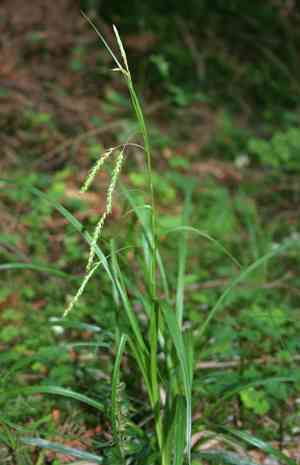
Wood sedge (Carex sylvatica)
Also known as: Forest sedge
Reindeer Moss, a type of lichen, is commonly used as ground cover in gardens due to its low maintenance needs. This hardy plant is particularly valued for its resilience and ease of care. Historically, the Sámi people of Lapland utilized Reindeer Moss to insulate their homes, taking advantage of its natural insulating properties.
In This Article
Attributes of Wood sedge
Lifespan
Perennial
Plant Type
Grass
Plant Height
60 cm
Spread
60 cm
Leaf Color
Green
Flower Size
Small, not prominently measurable
Flower Color
Green Yellow Brown
Images of Wood sedge
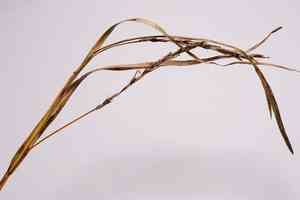
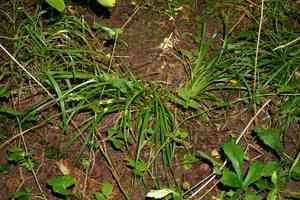
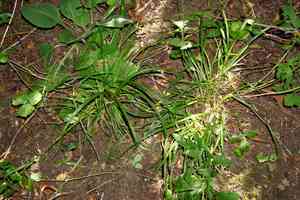
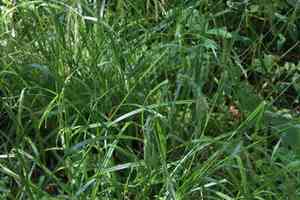
Quickly Identify Wood sedge
1
Short evergreen sedge, forming clumps with short rhizome spread.
2
Medium green foliage darkens in shade, contrasted by arching flowering stalks.
3
Flowering stalks reach approximately 2 feet (60 cm) high.
4
Long leaf-like bracts up to 8 inches (20 cm) in length.
5
Spike of small green to brown flowers visible from late spring to fall.
Scientific Classification of Wood sedge
Phylum
Vascular plants
Class
Monocotyledons
Order
Poales
Family
Sedge
Genus
True sedges
Species
Wood sedge
Planting and Growing of Wood sedge
Care Difficulty
Easy
Watering Schedule
Every 4 days
Sunlight Requirements
Partial sun
Sunshine Duration
4-8 hours
Ideal Temperature
60-75℉
Soil Type
Potting Mix, Peat Mix
Soil pH
5.5-7.5
Fertilizer Type
Balanced
Pruning Season
Spring, Summer
Pruning Area
Branches, Leaves
Pruning Frequency
2 times a year
Repotting Season
Spring
Pot Type
Plastic, Ceramic
 How to Water Wood sedge?
Carex sylvatica thrives in well-moisturized soil. It is ideal to water enough to keep the top soil layer consistently moist but not waterlogged. Aim for approximately 250 ml per watering session, ensuring the water reaches the root level but does not pool on the surface.
What are the symptoms of an underwatered Wood sedge?
›
What should I do if my Wood sedge is not getting enough water?
›
What are the symptoms of an overwatered Wood sedge?
›
How to save an overwatered Wood sedge?
›
 What Are the Sunlight Requirements for Wood sedge?
Carex sylvatica should ideally be placed in partial sun to full shade. Adequate light within this range supports vigorous foliage and prevents stress, ensuring the plant remains healthy and vibrant.
More About Sunlight Requirements Techniques→
What type of light does Carex sylvatica prefer?
›
How to ensure Carex sylvatica gets optimal lighting?
›
Benefits of ideal light conditions for Carex sylvatica?
›
 What Is the Ideal Temperature Range for Wood sedge?
Carex sylvatica thrives best in temperatures ranging from 60°F to 75°F. This range ensures that the plant's metabolic processes, including photosynthesis and nutrient uptake, occur efficiently. Providing this optimal temperature range can result in lush foliage and rapid growth.
 What Soil is Best for Wood sedge?
Carex sylvatica thrives in well-draining soil that retains moisture without becoming waterlogged. This moisture balance supports healthy root development and robust plant growth. The plant benefits from soil rich in organic matter, which supplies essential nutrients promoting lush foliage and vibrant health, making composted loam an excellent choice. Good soil aeration and drainage are crucial for this plant, preventing root rot and allowing adequate oxygen to reach the roots, fostering vigorous growth and disease resistance.
 How to Fertilize Wood sedge?
For Carex sylvatica, use a balanced liquid fertilizer diluted to half strength. Apply approximately 50-100 ml per plant depending on its size. For solid fertilizers, use about 20 grams per plant annually.
 How to Prune Wood sedge?
Begin by donning your gloves and observing the plant to identify any brown or dead leaves, which should be your primary target during pruning. Using clean, sharp shears, cut these parts back to the base to encourage fresh growth. Shape the plant to maintain a tidy appearance, ensuring your cuts are clean to avoid causing stress to the plant. If your Carex sylvatica has become slightly unmanageable with tangled fronds, gently separate the clumps and trim along natural divisions to reduce bulk. This will not only improve airflow but also prevent shading that can inhibit underlying growth. Remember to sterilize your tools before moving to another section to prevent potential disease spread.
 How to Propagate Wood sedge plant?
1
Harvest seeds from mature plants once they have fully matured and dried on the plant. Collect them carefully to avoid damage and to ensure viability.
2
Use a sharp spade to divide established clumps during early spring. Ensure each division has roots and several shoots to promote successful new growth.
3
Sow the collected seeds thinly in a seed tray filled with seed-starting mix. Cover lightly with soil and keep the tray consistently moist until germination.
 How to Repot Wood sedge plant?
1
Carex sylvatica should be repotted when its roots begin to circle the pot or emerge from the drainage holes. This is a clear signal that the plant has outgrown its current container and requires more space to thrive. Spring or autumn is ideal when the plant is not actively growing.
2
Choose a pot that is one size larger than the current one, and preferably made of terracotta. This material is breathable and helps to manage soil moisture effectively. It will give the roots room to breathe and grow optimally, providing stability as the plant matures.
3
Select a moist, well-draining soil mix that maintains humidity while preventing waterlogging. A mix with peat moss, perlite, and a bit of sand works perfectly. This balance allows the roots to access moisture without sitting in excess water, reducing the risk of root rot.



