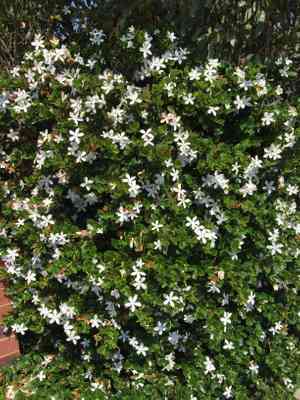
Natal plum(Carissa macrocarpa)

Natal plum (Carissa macrocarpa)

Also known as: Amatungulu

Most parts of the natal plum (Carissa macrocarpa) plant are toxic, except for the ripe fruit and some floral components.

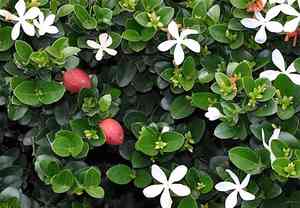
- **Ripe Fruits**: These are bright red when mature and are known for their sweet-tart taste, making them suitable for consumption in jams, jellies, and desserts.
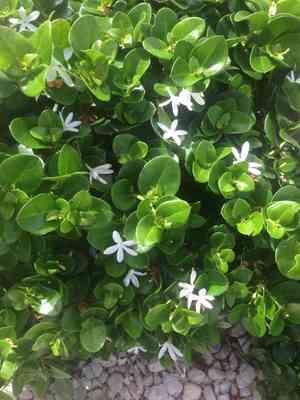
- **Flowers**: The white, star-shaped flowers are fragrant and can be used decoratively.

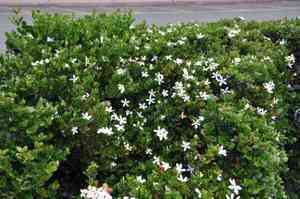
The plant is robust, belongs to the same family as Oleander, and its thorns make it an effective barrier hedge. The flowers bloom over two seasons, adding to its ornamental value.

Attributes of Natal plum

Lifespan
Perennial
Plant Type
Shrub
Plant Height
1.8 m to 4.5 m
Spread
90 cm
Leaf Color
Green
Flower Size
2.5 cm to 5 cm
Flower Color
White

PlantJoy - Identify plants with a snap

Identify and diagnose plants, get toxicity alerts, and explore safety guides for all types of fungi.

Try for Free

Images of Natal plum

Natal plum(Carissa macrocarpa)

Quickly Identify Natal plum

1
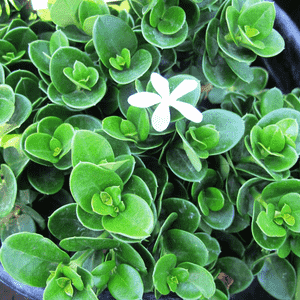
Smooth, simple, and opposite leaves with waxy surface; tips bear single thorn.
2
Star-shaped white flowers with five distinct lobes, approximately 2 inches (5 cm) across.
3
Oval-shaped fruit, 0.6 - 2 inches (1.5 - 5 cm) long, transitioning from green to red to dark crimson.
4
Smooth, greenish stems with longitudinal ridges and double-pronged thorns less than 5 cm (2 inches).
5
Robust shrub with forked spines about 1/2 inch (1.3 cm) long, capable of growing up to 30 feet (9 meters).

Scientific Classification of Natal plum

Phylum
Vascular plants
Class
Dicotyledons
Order
Gentianales
Family
Dogbane
Genus
Carissa
Species
Natal plum

Planting and Growing of Natal plum

Care Difficulty
Easy
Watering Schedule
Every 2 days
Sunlight Requirements
Full sun
Sunshine Duration
4-8 hours
Ideal Temperature
60-77℉
Soil Type
Potting Mix, Peat Mix
Soil pH
6-7.5
Fertilizer Type
Balanced
Pruning Season
Spring, Summer
Pruning Area
Branches, Leaves
Pruning Frequency
2 times a year
Repotting Season
Spring
Pot Type
Plastic, Ceramic

water icon How to Water Natal plum?

The ideal watering amount for Carissa macrocarpa is about 500 milliliters per session. This ensures that the soil is thoroughly moistened but not waterlogged, allowing excess water to drain away. The irrigation should cater to maintaining the soil consistently moist while avoiding saturation.
What are the symptoms of an underwatered Natal plum?
What should I do if my Natal plum is not getting enough water?
What are the symptoms of an overwatered Natal plum?
How to save an overwatered Natal plum?
More About Watering Techniques

sunlight icon What Are the Sunlight Requirements for Natal plum?

Sunlight Requirements: Full sun, Partial sun
Duration of light: 6 to 8 hours
Carissa macrocarpa ideally requires partial to full sun exposure. Adequate light ensures robust growth, leaf coloration, and a prolific flowering season, keeping the plant thriving and visually appealing.
What is the ideal lighting environment for Carissa macrocarpa?
How can I ensure Carissa macrocarpa gets the best light conditions?
What benefits does ideal lighting bring to Carissa macrocarpa?
More About Sunlight Requirements Techniques

temperature icon What Is the Ideal Temperature Range for Natal plum?

Ideal Temperature: 60 ~ 77℉
Carissa macrocarpa thrives best in a temperature range between 60°F and 77°F. Within this range, the plant can perform optimal physiological functions such as photosynthesis and nutrient absorption. This range also supports robust flowering and fruiting processes, promoting overall plant health and vigor.

soil icon What Soil is Best for Natal plum?

Soil type: Sandy soil, Loam, Sandy loam
Soil PH: 6 ~ 7.5
Carissa macrocarpa thrives in well-drained soil as it prevents waterlogging and root rot, ensuring healthy root systems capable of supporting vibrant growth and blooming. To cultivate a flourishing Carissa macrocarpa, soil that's rich in nutrients provides essential minerals that stimulate robust foliage and abundant flowering. While the plant prefers well-drained conditions, moderate moisture retention ensures that Carissa macrocarpa receives adequate hydration without the risk of water stagnation. More About Soil

fertilize icon How to Fertilize Natal plum?

Fertilizer type: Balanced
For Carissa macrocarpa, it is important to apply the correct amount of fertilizer to avoid nutrient imbalances. When using liquid fertilizer, dilute it to half strength and make sure the soil is damp to prevent root burn. For solid fertilizers, use approximately 100 grams of balanced slow-release fertilizer per year to ensure steady nutrient supply. More About Fertilizing Techniques

prune icon How to Prune Natal plum?

Pruning Time: Spring, Summer, Autumn
To maintain the desired shape of Carissa macrocarpa, start by removing any dead, damaged, or diseased branches. Trim the long, leggy stems to encourage a bushier growth habit. Cut just above a leaf node to promote new growth. Pruning shears should be sharp and clean to ensure precise cuts and avoid infection. Periodically thin out the plant by trimming away the oldest, woody stems. This process enhances airflow and light penetration to the center of the shrub, reducing the risk of fungal diseases and invigorating the plant to produce fresh, vigorous shoots. More About Pruning Techniques

propagate icon How to Propagate Natal plum plant?

Propagate Time: Spring, Summer, Early autumn
1
Collect fresh seeds from the Carissa macrocarpa fruit. Clean them of any pulp and dry them slightly before sowing. It's crucial for the seeds to be fresh as they have a short viability period.
2
Take semi-hardwood cuttings of about 10-15 cm in length. Remove the lower leaves and dip the base in rooting hormone to stimulate root development before planting them in the propagation medium.
3
Select a low-growing branch, wound it slightly, and peg it to the soil. Ensure that the buried section remains undisturbed until roots develop, at which point it can be severed from the parent plant.
More About Propagating Techniques

repot icon How to Repot Natal plum plant?

Repotting frequency: Every 1-2 years
1
Carissa macrocarpa shows signs of needing a repot when you see roots growing out of the drainage holes or the plant becomes root-bound. Leaves may exhibit stunted growth signaling lack of space. Repotting during its active growing months in spring or early summer ensures minimal stress and promotes healthy growth post-repotting.
2
Select a pot that is one or two sizes larger than the current one, with ample drainage holes. This not only prevents waterlogging, which can be detrimental to the roots, but also provides sufficient space for the roots to expand, encouraging robust growth.
3
Opt for a well-draining, sandy soil mix, ideally with organic matter. This kind of soil prevents root rot while still retaining enough moisture and nutrients to keep your plant thriving. It replicates the plant's natural habitat, ensuring adequate aeration and drainage.
More About Repotting Techniques

PlantJoy - Identify plants with a snap

Find the best spots for them to optimize their health, simply using your phone.

Try for Free

Toxicity of Natal plum

Is Natal plum toxic to humans?

The natal plum tree is regarded as mildly toxic due to several factors. Consuming the unripe fruit or the plant's sap can lead to symptoms such as diarrhea or vomiting. Additionally, the sap contains latex, which may irritate the eyes or provoke an allergic reaction in individuals with a latex sensitivity. It is advisable to steer clear of any damaged areas of the plant where the sap might ooze out.

Is Natal plum toxic to cat?

Natal plum possesses a moderate degree of toxicity for felines. Cats may experience poisoning if they consume the stems, flowers, leaves, or unripe fruit of this plant. After ingesting these components, they might display signs of physical distress or sickness. It is imperative to seek immediate veterinary assistance if there is a suspicion that a cat has ingested any part of natal plum. Professional intervention can help alleviate the poisoning effects and ensure timely and proper care for the affected cat.

Is Natal plum toxic to dog?

The plant species known as natal plum is considered to have a moderate level of toxicity for dogs. Should dogs consume any of its toxic components—including the stems, flowers, leaves, and unripe fruit—they may face poisoning. Following the ingestion of any natal plum parts, a dog may display a variety of symptoms that suggest poisoning. These symptoms can vary from gastrointestinal disturbances to more severe indications, such as vomiting, diarrhea, or even lethargy. It is imperative for dog owners to remain vigilant and deter their pets from coming into contact with or eating any portion of the natal plum. If a dog does ingest this plant, it is critical to seek prompt veterinary assistance to ensure the best possible recovery for the pet.

Identify toxic plants for your safety

Learn which plants are harmful to you and your pets, and make informed choices for a safer home!

Try for Free
WARNING
The judgment on toxicity and danger is for reference only. We DO NOT GUARANTEE any accuracy of such judgment. Therefore, you SHALL NOT rely on such judgment. It is IMPORTANT TO SEEK PROFESSIONAL ADVICE in advance when necessary.
More About Toxic Techniques