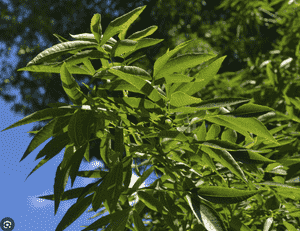
Bitternut hickory (Carya cordiformis)
Also known as: Pig hickory, Bitter pecan
Bitternut hickory is prized for its tough and resilient wood, making it ideal for crafting furniture, tool handles, and ladders. It's also sought after as firewood because it burns hot and long. Additionally, its wood is occasionally used in meat smoking to impart a unique flavor.
In This Article
Attributes of Bitternut hickory
Lifespan
Perennial
Plant Type
Tree
Plant Height
35 m to 47 m
Spread
9 m to 15 m
Leaf Color
Green Yellow Gold
Flower Size
2.5 cm
Flower Color
Green Yellow
Images of Bitternut hickory
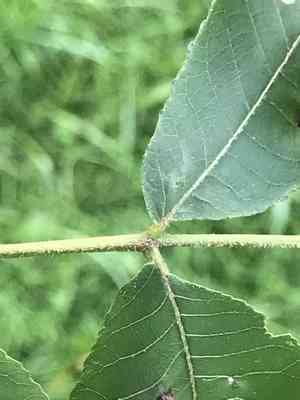
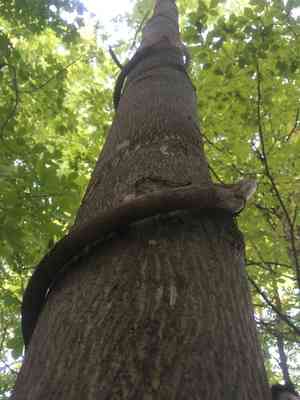
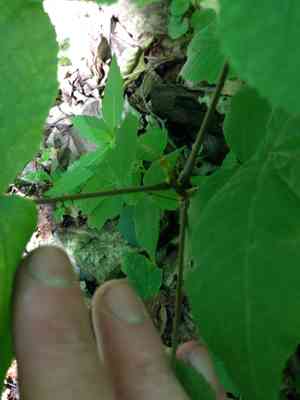
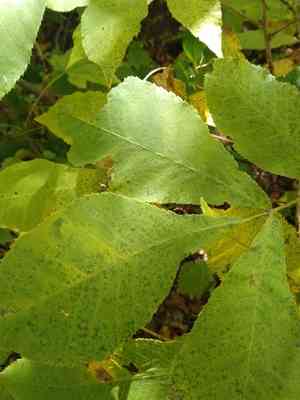
Quickly Identify Bitternut hickory
1
Yellow scaly buds visible year-round
2
Leaves with dark upper side, light underside
3
Distinctive gray stem with varied texture
4
Female flowers with 4-ridged ovary
5
Distinct granite-gray bark with yellow undertones
Scientific Classification of Bitternut hickory
Phylum
Vascular plants
Class
Dicotyledons
Order
Fagales
Family
Walnut
Genus
Hickories
Species
Bitternut hickory
Planting and Growing of Bitternut hickory
Care Difficulty
Moderate
Watering Schedule
Every 2 days
Sunlight Requirements
Full sun
Sunshine Duration
6-10 hours
Ideal Temperature
65-75℉
Soil Type
Potting Mix, Peat Mix
Soil pH
6.5-7.5
Fertilizer Type
Balanced
Pruning Season
Spring, Summer
Pruning Area
Branches, Leaves
Pruning Frequency
2 times a year
Repotting Season
Spring
Pot Type
Plastic, Ceramic
 How to Water Bitternut hickory?
Carya cordiformis requires deep watering where the water should soak through the soil to reach the deep root system. It’s best to water until the top 12 inches of soil are moist. This ensures that the roots, which can grow deep, are hydrated. Check soil moisture a few inches into the soil to see if it requires more water. The priority in watering is to maintain slight but consistent moisture in the soil, which will support the tree's expansive root system.
More About Watering Techniques→
What are the symptoms of an underwatered Bitternut hickory?
›
What should I do if my Bitternut hickory is not getting enough water?
›
What are the symptoms of an overwatered Bitternut hickory?
›
How to save an overwatered Bitternut hickory?
›
 What Are the Sunlight Requirements for Bitternut hickory?
Carya cordiformis thrives in full sun, benefiting from at least six to eight hours of sunlight daily. This ensures the plant's energetic needs are met, promoting robust growth and fruit yield.
More About Sunlight Requirements Techniques→
How much light does Carya cordiformis need daily?
›
What can be done to achieve ideal sunlight conditions?
›
What benefits does ideal lighting provide this plant?
›
 What Is the Ideal Temperature Range for Bitternut hickory?
For optimal growth, Carya cordiformis thrives best in temperatures ranging from 65 to 75 degrees Fahrenheit. These conditions closely mimic its native habitats, promoting vigorous growth and healthy foliage.
 What Soil is Best for Bitternut hickory?
Carya cordiformis thrives in well-drained soil, which prevents waterlogging and root rot. Well-drained soils help maintain optimal moisture levels for nutrient absorption, promoting healthy growth. A nutrient-rich soil aids in the robust growth of Carya cordiformis. Adequate nutrients in the soil ensure vigorous growth and improve the plant's resistance to diseases. Though it requires well-drained soil, Carya cordiformis benefits from consistent moisture, which supports the plant's metabolic processes and reduces drought stress.
More About Soil→
 How to Fertilize Bitternut hickory?
For the shagbark hickory tree, it is crucial to apply fertilizers in moderation. A balanced formulation like 10-10-10 or 20-20-20 is advisable. Typically, about 450 grams of granular fertilizer should be evenly distributed per inch of trunk diameter, optimally in early spring before the buds swell.
More About Fertilizing Techniques→
 How to Prune Bitternut hickory?
Begin by removing any dead, diseased, or damaged branches. Cut them back to the main stem or the ground level, which helps improve the tree's overall health and appearance. Focus on maintaining the tree's natural shape by selectively cutting back overgrown branches. This encourages better air circulation and light penetration, which benefits the entire plant. While Carya cordiformis can handle pruning, excessive cuts can stress the tree. Limit pruning to no more than one-third of the tree's total growth in one session to prevent shock.
More About Pruning Techniques→
 How to Propagate Bitternut hickory plant?
1
Collect seeds in late autumn when they are fully mature. Look for seeds that have naturally fallen or easily detach from the plant, ensuring they are viable for planting.
2
Use a well-draining potting mix or soil. Amend the soil with organic matter to ensure it's rich in nutrients, which is crucial for seed germination and growth.
3
Sow the seeds about 1 inch deep in the soil. Water thoroughly after planting but do not overwater as too much moisture can lead to root rot.
 How to Repot Bitternut hickory plant?
1
Carya cordiformis shows signs for repotting when you observe roots crowding at the pot's surface or emerging from drainage holes. Another signal is a noticeable decrease in growth rate or yellowing leaves. Optimal times are during spring or early summer, allowing the plant to adapt quickly to its new environment.
2
Select a pot that is at least 2 inches larger in diameter than the current one. It's essential to ensure the pot has sufficient drainage to prevent water stagnation, which can harm the roots. A clay pot is great as it facilitates air movement and helps in moisture regulation.
3
Opt for well-draining loam mixed with organic matter. This soil type ensures appropriate aeration and avoids waterlogging, providing an optimal growth environment. Additionally, a loamy soil retains nutrients well, supporting robust growth for Carya cordiformis.



