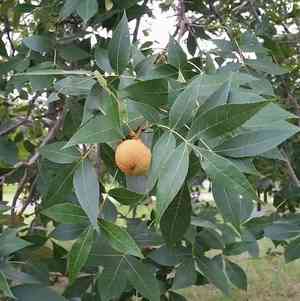
Pignut hickory (Carya glabra)
Also known as: Smoothbark hickory, Sweet pignut
The pignut hickory tree, native to the Eastern United States, is named for its small, bitter nuts, which were traditionally considered suitable only for pigs and other animals to eat. Despite the unpalatable nuts, the wood of the pignut hickory is prized for its strength and flexibility, making it ideal for tool handles and sporting equipment.
In This Article
Attributes of Pignut hickory
Lifespan
Perennial
Plant Type
Tree
Plant Height
20 m to 30 m
Spread
9 m to 15 m
Leaf Color
Green
Flower Size
2.5 cm
Flower Color
Yellow Green
Images of Pignut hickory
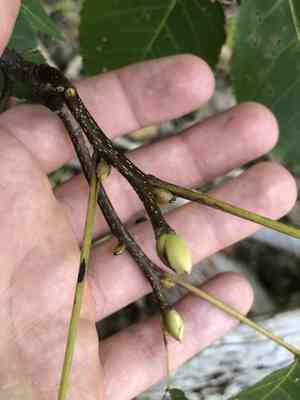
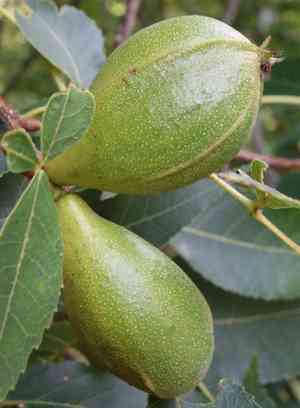
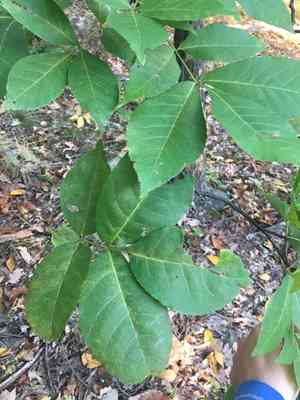
Quickly Identify Pignut hickory
1
Rounded nuts in thin husks, distinctive of pignut hickory
2
Pinnately compound leaves with 5 finely serrated leaflets
3
Distinctive bark with tight ridges forming diamond and X patterns
4
Oval, 4-parted husk maturing to brown, enclosing a tanned nut
5
Male flowers in drooping catkins, female flowers smaller with green pistils
Scientific Classification of Pignut hickory
Phylum
Vascular plants
Class
Dicotyledons
Order
Fagales
Family
Walnut
Genus
Hickories
Species
Pignut hickory
Planting and Growing of Pignut hickory
Care Difficulty
Hard
Watering Schedule
Every 3 days
Sunlight Requirements
Full sun
Sunshine Duration
6-12 hours
Ideal Temperature
60-75℉
Soil Type
Potting Mix, Peat Mix
Soil pH
6.5-7.5
Fertilizer Type
Balanced
Pruning Season
Spring, Summer
Pruning Area
Branches, Leaves
Pruning Frequency
2 times a year
Repotting Season
Spring
Pot Type
Plastic, Ceramic
 How to Water Pignut hickory?
For Carya glabra, also known as pignut hickory, it is crucial that you water thoroughly but infrequently. Aim to water until the soil is drenched to about 1-2 inches in depth, ensuring moisture reaches the root level without causing waterlogging. Using approximately 500 milliliters of water each time should suffice, but always check the soil dampness before watering again.
More About Watering Techniques→
What are the symptoms of an underwatered Pignut hickory?
›
What should I do if my Pignut hickory is not getting enough water?
›
What are the symptoms of an overwatered Pignut hickory?
›
How to save an overwatered Pignut hickory?
›
 What Are the Sunlight Requirements for Pignut hickory?
Carya glabra benefits from full to partial sunlight, ideally 6 to 8 hours daily. The right light promotes vigorous growth, healthier foliage, and enhanced resistance to adverse conditions.
More About Sunlight Requirements Techniques→
How much sunlight does Carya glabra need?
›
What should you do to ensure ideal light conditions?
›
What are the benefits of providing the right light?
›
 What Is the Ideal Temperature Range for Pignut hickory?
The ideal temperature range for Carya glabra hovers between 60°F and 75°F. This range supports optimal physiological processes, ensuring robust growth and development. Above or below this range can stress the plant, affecting photosynthesis and nutrient absorption.
 What Soil is Best for Pignut hickory?
Carya glabra thrives in nutrient-rich soil, which provides essential nutrients for optimal growth. Nutrients like nitrogen, phosphorus, and potassium help in healthy leaf growth and seed production, crucial for this hardwood species. This plant requires well-drained soil to prevent waterlogging, which can lead to root rot. Good drainage ensures that roots receive adequate oxygen and avoid excess moisture stress that can stunt growth and affect tree health. Carya glabra prefers slightly acidic conditions, between pH 6.5 to 7.5. This pH range maximizes nutrient availability and uptake, promoting vigorous growth and resistance to diseases, making it ideal for thriving environments.
More About Soil→
 How to Fertilize Pignut hickory?
For Carya glabra, applying the right amount of fertilizer is crucial to maintain its robust and healthy growth. Use approximately 0.1 pounds of nitrogen per inch of trunk diameter, uniformly distributed within the drip line of the tree.
More About Fertilizing Techniques→
 How to Prune Pignut hickory?
Start by identifying and removing any dead or diseased branches. This not only improves the tree's appearance but also prevents the spread of disease. Cut these branches back to healthy, living tissue. Gently shape the tree by removing any crossing or crowded branches. This helps open up the canopy, improving air circulation and light penetration, which are essential for the tree's health and vigor. Ensure that the central leader of the Carya glabra tree is maintained. This involves eliminating competing branches and ensuring the main trunk remains dominant, supporting the tree's overall form and stability.
More About Pruning Techniques→
 How to Propagate Pignut hickory plant?
1
Gather seeds from mature Carya glabra in the autumn. Ensure the seeds are stored in a cool, dry place before planting to preserve their viability.
2
Stratify the seeds by exposing them to cold temperatures for 90-120 days. This process mimics natural winter conditions and is necessary for breaking seed dormancy.
3
Select and prepare healthy scion wood and rootstocks. Ensure compatibility and make sure both parts are disease-free for successful grafting.
 How to Repot Pignut hickory plant?
1
Repotting Carya glabra should be considered when the roots start circling the pot or protruding from drainage holes, signaling that the plant needs more space. Also, if the growth seems stunted or the soil doesn't retain moisture well, these are good indicators it's time to repot.
2
Select a new pot that's just a couple of inches larger in diameter than the current one. This prevents the risk of overwatering and provides adequate room for new root growth, which supports a healthy structure and encourages robust development of the tree.
3
Opt for a well-draining, loamy soil mix with a balanced pH. This type of soil supports healthy drainage while retaining enough moisture for nutrient absorption, thus ensuring vigorous growth and preventing root rot.



