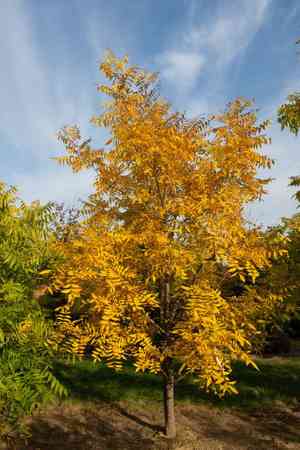
Pecan (Carya illinoinensis)
Also known as: Illinois nut tree, Carya oliviformis, Hicoria pecan
Pecan trees are highly prized for commercial farming due to their valuable output. Originating from North America, these trees produce nutrient-rich pecan nuts that are in high demand. Additionally, the wood from pecan trees is sought after for crafting veneer and furniture, and it is also used in meat smoking when turned into charcoal.
In This Article
Attributes of Pecan
Lifespan
Perennial
Plant Type
Tree
Plant Height
21 m to 30 m
Spread
12 m to 23 m
Leaf Color
Green, turning golden yellow in autumn
Flower Size
Small, not prominent
Flower Color
Greenish-yellow
Images of Pecan
Quickly Identify Pecan
1
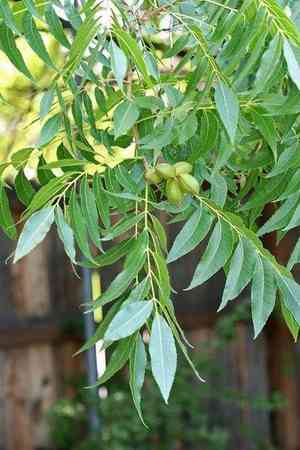
Falcate, marginally crenate leaflets in alternate arrangement reveal pinnately compound leaves.
2
Male catkins droop while female spikes are upright on monoecious flowers in April-May.
3
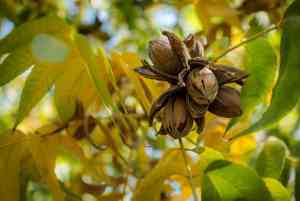
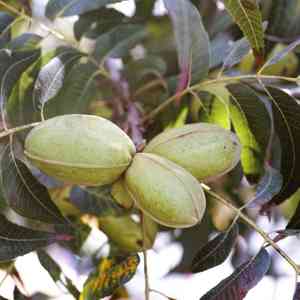
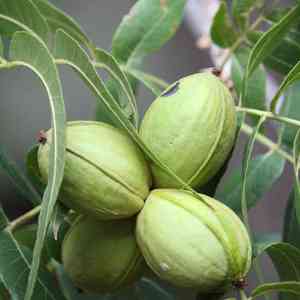
Sweet nuts in splitting husks have oval to round shape and distinctive streaked shell.
4
Lanceolate leaflets with serrate margins, turning yellow in fall, create vibrant foliage.
5
Grey-brown stem with raised lenticels and pubescent buds nestled in U-shaped leaf scar.
Scientific Classification of Pecan
Phylum
Vascular plants
Class
Dicotyledons
Order
Beeches, walnuts, and allied trees
Family
Walnut
Genus
Hickories
Species
Pecan
Planting and Growing of Pecan
Care Difficulty
Hard
Watering Schedule
Every 4 days
Sunlight Requirements
Full sun
Sunshine Duration
4-8 hours
Ideal Temperature
70-90℉
Soil Type
Potting Mix, Peat Mix
Soil pH
6.5-7.5
Fertilizer Type
Balanced
Pruning Season
Spring, Summer
Pruning Area
Branches, Leaves
Pruning Frequency
2 times a year
Repotting Season
Spring
Pot Type
Plastic, Ceramic
 How to Water Pecan?
When watering Carya illinoinensis, ensure the soil is moist but not waterlogged. The water should penetrate the soil to a depth of at least 30-40 cm. This depth ensures the roots receive adequate moisture, which is crucial for healthy growth. The pecan tree likes its roots to be consistently damp, so saturate the soil thoroughly but allow it to dry slightly between waterings.
What are the symptoms of an underwatered Pecan?
›
What should I do if my Pecan is not getting enough water?
›
What are the symptoms of an overwatered Pecan?
›
How to save an overwatered Pecan?
›
 What Are the Sunlight Requirements for Pecan?
Carya illinoinensis thrives in full sun environments, which ensures robust growth and plentiful nut production, supporting its overall longevity and productivity.
What is the best lighting condition for Carya illinoinensis?
›
What are the solutions to achieve this ideal lighting?
›
What are the benefits of ideal lighting conditions for this plant?
›
 What Is the Ideal Temperature Range for Pecan?
Carya illinoinensis thrives best in a temperature range between 70°F and 90°F. This range promotes optimal growth and nut production, ensuring that essential physiological processes such as photosynthesis and nutrient uptake occur efficiently. Keeping the temperature within this range helps prevent stress and encourages healthy development.
 What Soil is Best for Pecan?
Carya illinoinensis thrives in well-draining soils which prevent root rot and other waterlogged soil issues. This type of soil allows excess water to escape, providing the roots with necessary oxygen. Rich soils full of organic matter are crucial for Carya illinoinensis as they supply essential nutrients like nitrogen, phosphorous, and potassium, promoting vigorous growth and nut production. Maintaining a soil pH between 6.5 and 7.5 ensures optimal nutrient availability for Carya illinoinensis. Balanced pH levels help facilitate proper root development and nutrient uptake.
 How to Fertilize Pecan?
Carya illinoinensis, commonly known as pecan, requires a balanced approach to fertilization. For young trees, apply 1 pound of nitrogen per year of tree age, up to a maximum of 25 pounds per tree. For mature trees, a general recommendation is 1 to 2 pounds of actual nitrogen per inch of trunk diameter. It's crucial not to over-fertilize, as excessive nutrients can harm the tree and the environment.
 How to Prune Pecan?
Begin by evaluating the overall structure of the tree. Identify any dead, diseased, or broken branches that need to be removed. Look for branches that cross or rub against each other. Focus on removing branches that are growing towards the center, as well as those that are downward-facing. Also, remove any branches that create dense areas of foliage to improve air circulation. Make cuts at a 45-degree angle, just above a lateral bud or branch. This encourages new growth outward rather than inward, maintaining an open center for sunlight penetration. For large branches, use a three-cut method to prevent bark tearing. First, make an undercut a few inches from the branch collar. Then make a top cut slightly further out. Finally, remove the stub close to the branch collar.
More About Pruning Techniques→
 How to Propagate Pecan plant?
1
Collect fresh seeds from mature Carya illinoinensis plants in the autumn and stratify them for a period of 90-120 days by keeping them in a moist and cold environment to break dormancy before planting in spring.
2
Select healthy and disease-free scion wood and rootstock. Using a sharp knife, cut a 'V' shape on both the scion and rootstock, then join them tightly with grafting tape to ensure they fuse correctly.
3
Water the newly planted seeds or grafted plants lightly but consistently to keep the soil moist but not waterlogged, encouraging successful root establishment while avoiding rot.
 How to Repot Pecan plant?
1
Repot Carya illinoinensis when you notice roots peeking from the drainage holes or the plant seems to be uprooting. Early spring or autumn periods are ideal since the plant is not in an active growth phase, minimizing stress during the transition.
2
Select a pot that is one to two inches larger in diameter than the current one. Opt for a container with ample drainage holes to prevent waterlogging, which is essential for this plant’s health. A clay or ceramic pot can provide stability and improve soil aeration.
3
Use a well-draining loamy soil mix enriched with organic matter. This type of soil offers the necessary nutrients and retains moisture without becoming waterlogged, creating an ideal growing medium for Carya illinoinensis.



