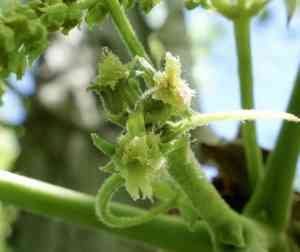
Shellbark hickory (Carya laciniosa)
Also known as: Kingnus
The wood is noted for being dense, durable, robust, and finely grained, with shades ranging from light brown to a soft pinkish brown. In 1868, an impressive specimen tree was documented near the confluence of the Gila and San Pedro Rivers in Arizona.
In This Article
Attributes of Shellbark hickory
Lifespan
Perennial
Plant Type
Tree
Plant Height
12 m to 30 m
Spread
12 m to 18 m
Leaf Color
Green Yellow Brown
Flower Size
2.5 cm to 8 cm
Flower Color
Yellow Green Gold
Images of Shellbark hickory
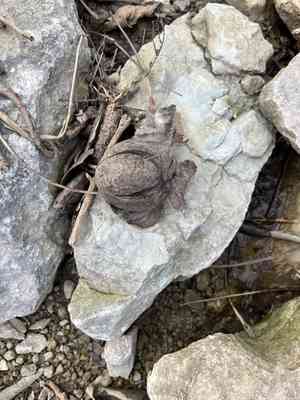
Quickly Identify Shellbark hickory
1
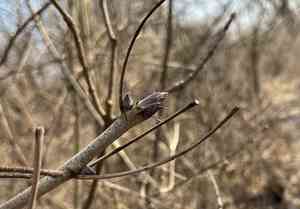
Twigs with orange lenticels and fine hairs shedding to reveal smooth texture.
2
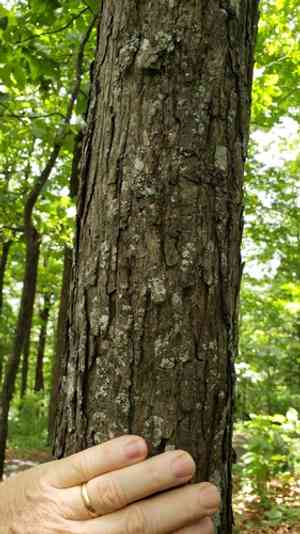
Distinct dual-phase bark: smooth grayish bark in youth, transitioning to shaggy strips in maturity.
3
Male flowers form yellow-green 2-3 inch (5-8 cm) catkins, clustered tightly.
4
Odd-pinnate compound leaves with 7 lance-shaped leaflets, turning yellow to yellow-brown in autumn.
5
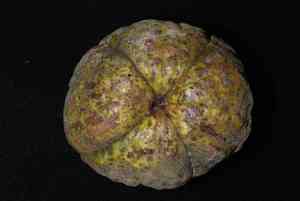
Fruit enclosed in thick husk, matured to split into 4 segments revealing smooth tan nut.
Scientific Classification of Shellbark hickory
Phylum
Vascular plants
Class
Dicotyledons
Order
Fagales
Family
Walnut
Genus
Hickories
Species
Shellbark hickory
Planting and Growing of Shellbark hickory
Care Difficulty
Hard
Watering Schedule
Every 3 days
Sunlight Requirements
Full sun
Sunshine Duration
4-6 hours
Ideal Temperature
60-75℉
Soil Type
Potting Mix, Peat Mix
Soil pH
6.5-7.5
Fertilizer Type
Balanced
Pruning Season
Spring, Summer
Pruning Area
Branches, Leaves
Pruning Frequency
2 times a year
Repotting Season
Spring
Pot Type
Plastic, Ceramic
 How to Water Shellbark hickory?
For Carya laciniosa, you should aim to give around 1000 milliliters of water per session. The goal is to ensure that the soil remains consistently moist but not waterlogged. Water deeply to encourage root growth while allowing the excess to drain away. This principle helps mimic its natural habitat environment.
What are the symptoms of an underwatered Shellbark hickory?
›
What should I do if my Shellbark hickory is not getting enough water?
›
What are the symptoms of an overwatered Shellbark hickory?
›
How to save an overwatered Shellbark hickory?
›
 What Are the Sunlight Requirements for Shellbark hickory?
Carya laciniosa benefits most from full sun exposure. Sufficient sunlight promotes enhanced photosynthesis, producing energy for growth, increased tolerance to pests, and better resilience to environmental stressors.
How much sunlight does it need?
›
What are the solutions to provide ideal lighting?
›
What benefits does ideal lighting offer?
›
 What Is the Ideal Temperature Range for Shellbark hickory?
Carya laciniosa, commonly known as the shellbark hickory, thrives best when grown in temperatures between 60°F and 75°F. These conditions provide ample warmth for growth while mitigating stress, maximizing the chance for healthy foliage and fruit production. Why is this range ideal? Because it aligns with the plant's native habitat, promoting optimal metabolic functions and reducing susceptibility to diseases.
 What Soil is Best for Shellbark hickory?
Carya laciniosa thrives in well-drained soils that prevent root rot and allow optimum oxygenation. Good drainage promotes strong root growth and enhances the tree's resilience against harsh environmental conditions. This species appreciates a nutrient-rich soil that supports its growth and nut production. High organic content helps in retaining moisture and provides essential nutrients, leading to healthier and more robust plant development. Maintaining consistent moisture levels in the soil is crucial for Carya laciniosa. Adequate moisture ensures steady growth and nut yield, as prolonged dryness can stress the plant and impact its productivity.
 How to Fertilize Shellbark hickory?
Carya laciniosa, commonly known as shellbark hickory, benefits from balanced fertilization. For liquid fertilizers, use a solution diluted to half-strength, particularly in early spring before new growth begins. Slow-release fertilizers should be granulated and in amounts according to the product's instructions, generally 1-2 pounds per tree based on size.
 How to Prune Shellbark hickory?
Begin by assessing the tree for dead, damaged, or diseased branches, which should be removed to prevent the spread of disease. Using sharp, sterilized pruning tools, cut back any crossing branches to maintain an open structure. For shaping purposes, focus on pruning only when the tree is young to establish a strong framework. Aim to maintain the central leader by cutting back any competing leaders. Proper pruning will also help balance the tree's nutrient distribution.
More About Pruning Techniques→
 How to Propagate Shellbark hickory plant?
1
Gather mature seeds from healthy parent trees in late autumn to early winter. Clean and dry the seeds thoroughly to remove any pulp, which can prevent successful germination.
2
Sow the cleaned seeds in a prepared seed tray filled with well-draining soil. Cover lightly with soil and maintain consistent moisture levels, avoiding waterlogging, to encourage germination.
3
Select semi-hardwood cuttings in late spring or early summer. Trim to about six inches in length, removing lower leaves to focus energy on root development.
 How to Repot Shellbark hickory plant?
1
Monitor for signals such as roots outgrowing drainage holes, slowed growth, or if the plant's current potting mix is no longer retaining water as it should. Carya laciniosa benefits most from repotting during growth phases.
2
Opt for a pot that is 1-2 inches larger in diameter than the current one. A slightly larger pot encourages healthy root spread without overwhelming the plant, aiding in balanced water retention and nutrient availability.
3
Choose well-draining loamy soil rich in organic matter. This soil type ensures sufficient drainage while maintaining necessary moisture levels, promoting optimal root development and plant health.



