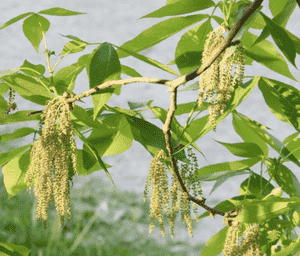
Red hickory (Carya ovalis)
Also known as: Small pignut
The red hickory tree typically reaches a height of around 30 meters. It usually has a straight trunk that extends throughout its height, though it can occasionally branch into several large limbs once it reaches the canopy.
In This Article
Attributes of Red hickory
Lifespan
Perennial
Plant Type
Tree
Plant Height
21 m to 30 m
Spread
15 m to 21 m
Leaf Color
Green
Flower Size
2.5 cm to 8 cm
Flower Color
Green Yellow Gold
Images of Red hickory
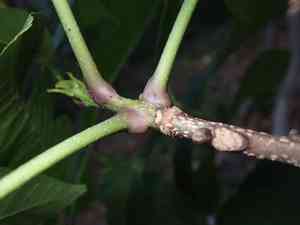
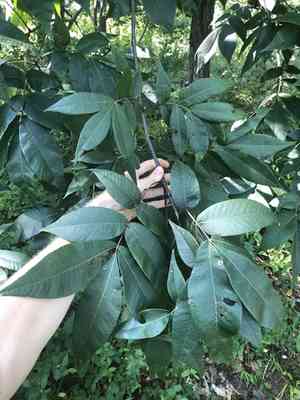
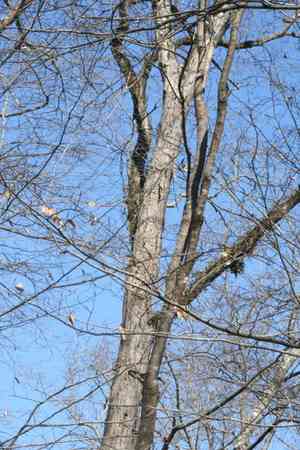
Quickly Identify Red hickory
1
Height: Reaches up to 80 feet (24 meters), towering above other species.
2
Bark Texture: Bark transitions from ridged youth to shaggy maturity, distinctive and rugged.
3
Leaflet Shape: Elliptic to lanceolate-elliptic, with serrated margins and acute tips.
4
Female Flowers: Short red spikes in groups of 2-3, adding visual interest.
5
Fruit Husk: Splits into four sections, revealing a whitish nut kernel.
Scientific Classification of Red hickory
Phylum
Vascular plants
Class
Dicotyledons
Order
Fagales
Family
Walnut
Genus
Hickories
Species
Red hickory
Planting and Growing of Red hickory
Care Difficulty
Easy
Watering Schedule
Every 3 days
Sunlight Requirements
Full sun
Sunshine Duration
4-8 hours
Ideal Temperature
60-75℉
Soil Type
Potting Mix, Peat Mix
Soil pH
6-7.5
Fertilizer Type
Balanced
Pruning Season
Spring, Summer
Pruning Area
Branches, Leaves
Pruning Frequency
Once a year
Repotting Season
Spring
Pot Type
Plastic, Ceramic
 How to Water Red hickory?
For Carya ovalis, the watering amount should be enough to penetrate the soil to a depth of about 12 inches. This helps ensure that the deep roots receive adequate moisture. It's important to allow the soil to dry out slightly between waterings, as Carya ovalis prefers not to sit in persistently soggy conditions.
What are the symptoms of an underwatered Red hickory?
›
What should I do if my Red hickory is not getting enough water?
›
What are the symptoms of an overwatered Red hickory?
›
How to save an overwatered Red hickory?
›
 What Are the Sunlight Requirements for Red hickory?
For optimal growth, Carya ovalis should receive 6-8 hours of sun daily. This exposure supports healthy leaf color, strong growth, and increased resilience to environmental stresses.
Preferred Light Conditions
›
Solutions for Ideal Light
›
Benefits of Ideal Light
›
 What Is the Ideal Temperature Range for Red hickory?
Carya ovalis thrives in temperatures between 60°F to 75°F. This range ensures optimal growth as it replicates the temperate conditions typically found in its natural habitats. Maintaining temperatures within this range facilitates proper physiological processes.
 What Soil is Best for Red hickory?
Carya ovalis thrives in well-drained soil, which prevents root rot and allows for optimal oxygen flow to the roots, promoting healthy growth and maximizing nutrient uptake efficiently. Rich in organic matter, the soil for Carya ovalis should be nutrient-dense to support its vigorous growth. Essential nutrients help in robust leaf development and enhance the plant's overall resilience. While not waterlogged, the soil should retain moderate moisture levels to ensure the tree remains hydrated, supporting its large canopy and aiding in photosynthetic efficiency.
 How to Fertilize Red hickory?
Carya ovalis, commonly known as the red hickory, requires a balanced fertilizer to thrive. For liquid fertilizers, a concentration of 10-20-10 NPK at a rate of 1 tablespoon per gallon of water is recommended. When applying slow-release granules, a rate of 1-2 pounds per tree is typically adequate, depending on the size of the tree.
 How to Prune Red hickory?
Utilize sharp, clean pruning shears or a saw for precise cuts. This minimizes damage and promotes quicker healing of cuts. Ensure tools are properly sterilized to prevent disease spread. Make cuts just outside the branch collar, which is the swollen area where the branch joins the trunk. This allows the tree to heal efficiently and reduces the risk of disease entry. Regularly step back during your pruning process to evaluate the tree's shape and structure. This helps ensure you are maintaining the natural form of Carya ovalis and not over-pruning.
More About Pruning Techniques→
 How to Propagate Red hickory plant?
1
Collect seeds from mature Carya ovalis specimens during late autumn. Clean them to remove any debris and soak them in water for 24 hours to enhance germination rates.
2
Sow the seeds in trays filled with moist seed starting mix. Since this species requires cold stratification, place the trays in a refrigerator or any cold area for several months to simulate natural winter conditions.
3
During the early spring, choose healthy rootstock and scion. Use a grafting knife to make compatible cuts and secure them together with grafting tape. Ensure the union site is stable to promote the successful transfer of nutrients.
 How to Repot Red hickory plant?
1
Look for signs like roots protruding from drainage holes or the soil drying out very quickly after watering. These indicate that the plant has outgrown its current pot and it's time to move to a slightly larger one.
2
Choose a pot that is 2-3 inches larger in diameter than the current one with enough drainage holes. Using a pot of appropriate size prevents waterlogging and provides ample space for root expansion, ensuring healthy growth.
3
Opt for a rich, well-draining loamy soil that can retain moisture without becoming waterlogged. Such soil provides adequate nutrients and aeration, crucial for root health and overall plant vigor.
Learn More About Red hickory Diseases
Anthracnose
Bacterial Leaf Spot
Crown Gall
Cyst Nematode
Damping-off
Downy Mildew
Drought Stress
Fusarium Wilt
Gray Mold
Leaf Spot
Mosaic
Nutrient Deficiency
Nutrient Toxicity
Powdery Mildew
Root Rot
Root-knot Nematode
Rusts
Sooty Mold
Spider Mites
Temperature Stress
Thrips Damage
White Mold
Chemical Injury



