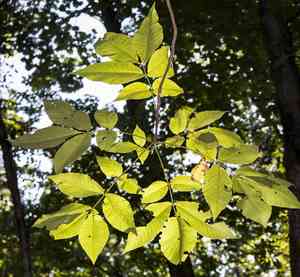
Shagbark hickory (Carya ovata)
Also known as: Shagbark Hickory
The **shagbark hickory** (Carya ovata) is a tree found in the United States and Canada known for its sweet, edible nuts. This tree shares its name with President Andrew Jackson's nickname, "Old Hickory," due to the tree's tough wood.
In This Article
Attributes of Shagbark hickory
Lifespan
Perennial
Plant Type
Tree
Plant Height
30 m to 46 m
Spread
15 m to 21 m
Leaf Color
Green Yellow Gold
Flower Size
8 cm to 15 cm
Flower Color
Yellow Green
Images of Shagbark hickory
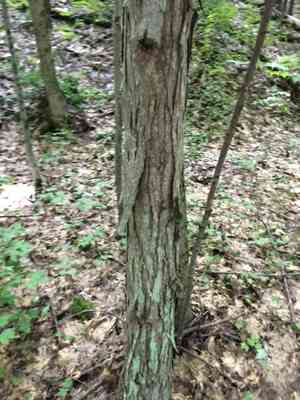
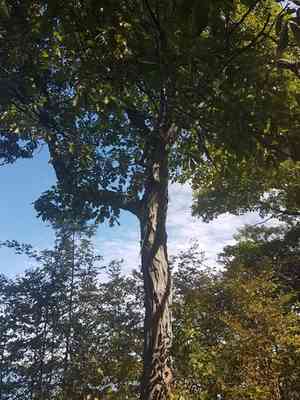
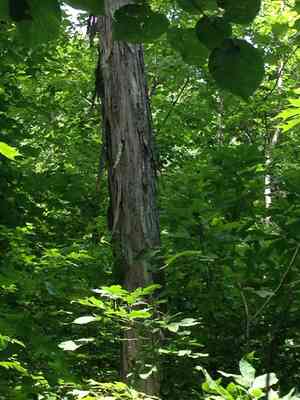
Quickly Identify Shagbark hickory
1
Distinct shaggy bark on mature trunk, 2-3 feet (60-90 cm) diameter.
2
Compound leaves with 5-7 lance-shaped leaflets, largest terminal leaflet.
3
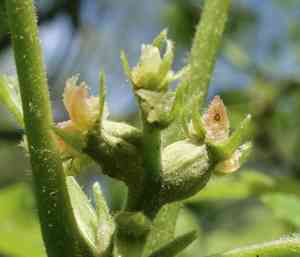
Male flowers in pendulous catkins, female flowers in compact spikes.
4
Enclosed fruit within 4-parted husk, splits to reveal oval nut.
5
Stout twigs, light gray to brown, with scattered white lenticels.
Scientific Classification of Shagbark hickory
Phylum
Vascular plants
Class
Dicotyledons
Order
Fagales
Family
Walnut
Genus
Hickories
Species
Shagbark hickory
Planting and Growing of Shagbark hickory
Care Difficulty
Easy
Watering Schedule
Every 2 days
Sunlight Requirements
Full sun
Sunshine Duration
10-12 hours
Ideal Temperature
65-75℉
Soil Type
Potting Mix, Peat Mix
Soil pH
6.5-7.5
Fertilizer Type
Balanced
Pruning Season
Spring, Summer
Pruning Area
Branches, Leaves
Pruning Frequency
2 times a year
Repotting Season
Spring
Pot Type
Plastic, Ceramic
 How to Water Shagbark hickory?
When watering Carya ovata, it is important to give about 300 milliliters per session. This ensures that the soil is comfortably moist but not soggy. Consistently drenching the soil can lead to root rot, so it's key to find the right balance for healthy growth.
More About Watering Techniques→
What are the symptoms of an underwatered Shagbark hickory?
›
What should I do if my Shagbark hickory is not getting enough water?
›
What are the symptoms of an overwatered Shagbark hickory?
›
How to save an overwatered Shagbark hickory?
›
 What Are the Sunlight Requirements for Shagbark hickory?
Carya ovata thrives best in full sun to partial sun conditions. Ensuring 6-8 hours of sunlight enhances robust growth, nut production, and plant vitality.
More About Sunlight Requirements Techniques→
What is the ideal lighting condition for Carya ovata?
›
How to achieve ideal lighting for Carya ovata?
›
What are the benefits of ideal lighting for Carya ovata?
›
 What Is the Ideal Temperature Range for Shagbark hickory?
Carya ovata thrives best within a temperature range of 65°F to 75°F. This range supports optimal photosynthesis and growth, ensuring robust development and increased resistance to pests and diseases.
 What Soil is Best for Shagbark hickory?
Carya ovata thrives in soils with good drainage. Proper drainage prevents water from stagnating around the roots, reducing the risk of root rot and promoting a healthier plant with stronger growth. This plant prefers a nutrient-rich environment that supports its robust growth. Fertile soil enhances its overall vitality by supplying essential nutrients, aiding in strong wood production and healthy foliage. Carya ovata benefits from soil that retains moisture reasonably well while not becoming waterlogged. This ensures that the tree remains hydrated and continues to thrive during drier periods, making it a resilient species in varied climates.
More About Soil→
 How to Fertilize Shagbark hickory?
When fertilizing Carya ovata, it's crucial to follow a balanced approach. Use approximately 1 pound of 10-10-10 fertilizer for every 100 square feet of soil. This amount ensures that the tree gets an adequate supply of nutrients without overwhelming its natural growth processes. Adjust the quantity based on the age and size of the tree to maintain optimal health.
More About Fertilizing Techniques→
 How to Prune Shagbark hickory?
Start by removing dead, diseased, or damaged branches using clean, sharp pruning shears. Focus on promoting a strong, open structure by cutting branches that grow inward or cross over others. Aim to retain an open canopy to allow sunlight penetration and air circulation, which are crucial for the health and productivity of the tree. To maximize nut production in Carya ovata, selectively prune the smaller branches to focus the tree's energy on nut development. You should trim back the longer shoots and any competing leaders to promote a single dominant leader. This encourages balanced growth and potentially increases nut yield.
More About Pruning Techniques→
 How to Propagate Shagbark hickory plant?
1
Begin by soaking Carya ovata seeds in water for 24 hours. Then, mix them with moistened sand or peat moss and place them in a refrigerator at 1-4°C for 2-3 months. This stratification period mimics winter and is essential for breaking dormancy.
2
Once stratification is complete, plant the seeds in pots filled with well-draining soil. Maintain temperatures of 18-24°C to encourage germination. Ensure the seeds are planted at a depth of approximately 2.5 cm and keep the soil moist but not waterlogged.
3
Select a healthy rootstock and a compatible scion of Carya ovata. Using a sharp grafting knife, make precise cuts to join the two parts. Secure the graft with grafting tape and ensure the union is kept moist and shaded for a few weeks to encourage healing.
 How to Repot Shagbark hickory plant?
1
Carya ovata, commonly known as shagbark hickory, signals the need for repotting when its roots start peeking through the drainage holes, or when the soil becomes depleted and compacted, impacting nutrient uptake. The best time to repot is during early spring or autumn when the plant's growth is less vigorous and stress is minimized.
2
Choose a pot with a diameter 2 inches larger than the current one, ensuring good drainage to prevent root rot. The extra space promotes root expansion and allows the plant to stabilize while maintaining moisture levels without waterlogged conditions, thus promoting healthier growth over time.
3
Opt for a well-drained loamy soil mix, which should allow sufficient aeration and root penetration. This type of soil holds nutrients well and ensures that water drains effectively, preventing waterlogging while providing the required nutrients for optimal growth.



