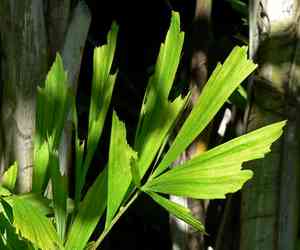
Burmese fishtail palm (Caryota mitis)
Also known as: Fishtatil palm
Caryota mitis, commonly known as the clustering fishtail palm, originates from tropical regions of Asia, including areas from India to Java and southern China. It was first described in Vietnam in 1790. The plant has also become naturalized in places such as southern Florida, parts of Africa, and Latin America. In Florida, it typically grows in hummocks and disturbed wooded areas. This species features clustered stems that can reach up to 10 meters in height and 15 centimeters in diameter, with leaves extending up to 3 meters in length. The flowers are purple, and the dark purple or red fruits are toxic to humans.
Attributes of Burmese fishtail palm
Images of Burmese fishtail palm
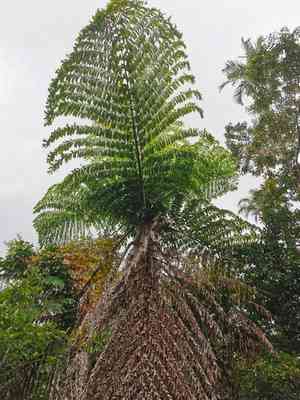
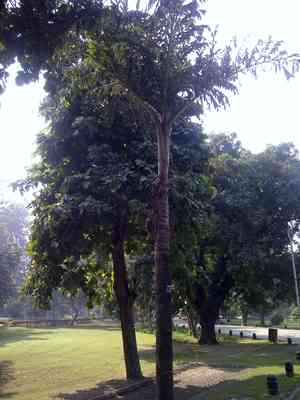
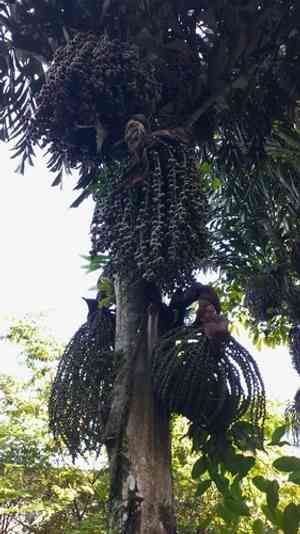
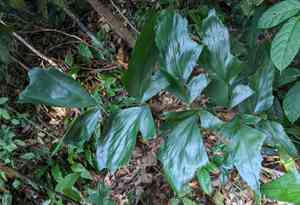
Quickly Identify Burmese fishtail palm
Scientific Classification of Burmese fishtail palm
Planting and Growing of Burmese fishtail palm
 How to Water Burmese fishtail palm?
 What Are the Sunlight Requirements for Burmese fishtail palm?
 What Is the Ideal Temperature Range for Burmese fishtail palm?
 What Soil is Best for Burmese fishtail palm?
 How to Fertilize Burmese fishtail palm?
 How to Prune Burmese fishtail palm?
 How to Propagate Burmese fishtail palm plant?
 How to Repot Burmese fishtail palm plant?
Toxicity of Burmese fishtail palm
Is Burmese fishtail palm toxic to humans?
The Burmese fishtail palm presents a mild toxicity risk to humans, primarily resulting from the consumption of its fruit. This fruit contains calcium oxalate, a substance known to induce poisoning when ingested. Following consumption, individuals may encounter a variety of symptoms, including discomfort in the mouth, a burning feeling in the throat, challenges with swallowing, and gastrointestinal distress such as nausea and vomiting. It is crucial for individuals to recognize the potential dangers linked to the unintentional ingestion of the Burmese fishtail palm's fruit and to ensure these fruits are kept out of reach of children, who may be drawn to them because of their appealing appearance.
Is Burmese fishtail palm toxic to cat?
The Burmese fishtail palm presents a low toxicity hazard to cats. This toxicity generally arises when a cat inadvertently consumes certain portions of the plant, especially the fruit, which harbors calcium oxalate. After ingestion, affected cats may exhibit signs of physical distress, such as gastrointestinal discomfort. While the toxicity is relatively mild and not usually life-threatening, it is still essential to monitor the situation closely. If you believe your cat has ingested any part of the Burmese fishtail palm, it is imperative to seek immediate veterinary assistance, as prompt care can alleviate discomfort and avert more severe health issues.
Is Burmese fishtail palm toxic to dog?
The Burmese fishtail palm, a particular species of plant, is recognized for its mild toxicity levels in dogs. If dogs inadvertently consume any part of this plant, particularly the fruit, they are at risk of poisoning due to the presence of toxic compounds. After consuming the fruit of the Burmese fishtail palm, dogs may manifest symptoms like oral irritation, vomiting, and diarrhea, largely attributed to the calcium oxalate crystals found within the fruit. It is essential for dog owners to vigilantly oversee their pets and restrict access to the Burmese fishtail palm to prevent any unintended ingestion. Should a dog consume any part of this palm, it is vital to obtain immediate veterinary care to address any potential adverse reactions.



