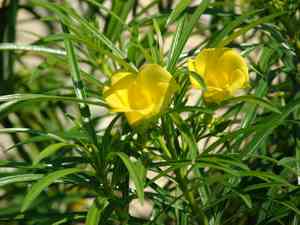
Yellow oleander (Cascabela thevetia)
Also known as: Milk tree
Datura is a highly toxic plant, with numerous reports of accidental poisonings. Its toxic properties are sometimes harnessed in traditional pest control. Additionally, Datura plays a role in certain religious practices, especially in the worship of the Hindu god Shiva, symbolizing his mystical and ascetic qualities.
Attributes of Yellow oleander
Images of Yellow oleander
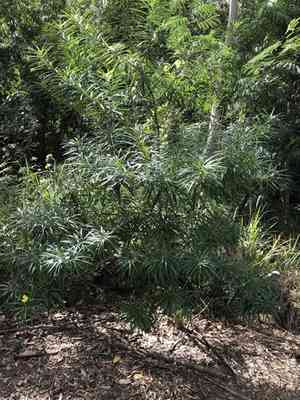
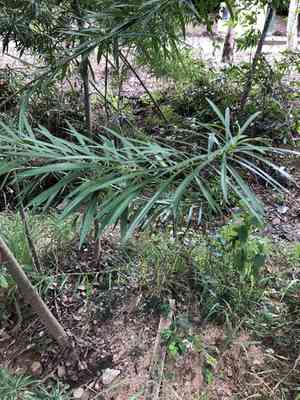
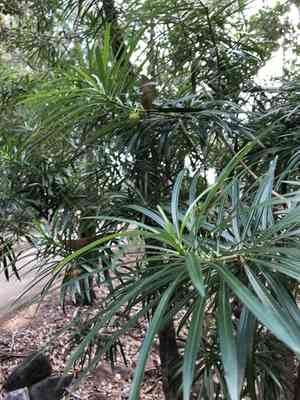
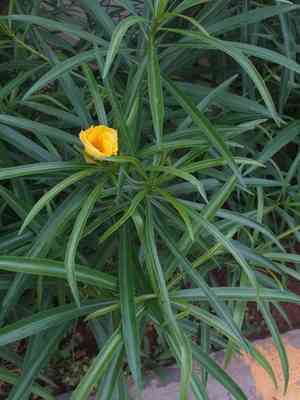
Quickly Identify Yellow oleander
Scientific Classification of Yellow oleander
Planting and Growing of Yellow oleander
 How to Water Yellow oleander?
 What Are the Sunlight Requirements for Yellow oleander?
 What Is the Ideal Temperature Range for Yellow oleander?
 What Soil is Best for Yellow oleander?
 How to Fertilize Yellow oleander?
 How to Prune Yellow oleander?
 How to Propagate Yellow oleander plant?
 How to Repot Yellow oleander plant?
Toxicity of Yellow oleander
Is Yellow oleander toxic to humans?
Yellow oleander is extremely poisonous when consumed, resulting in numerous fatalities among children. Every part of the plant harbors toxic substances, with the fruit and seeds triggering the most serious reactions. Ingestion of yellow oleander may lead to symptoms such as swelling and irritation of the lips, tongue, and throat, along with gastrointestinal distress, including vomiting, diarrhea, nausea, dizziness, or arrhythmias. Additionally, dermatitis and skin blistering may arise from direct contact with the sap; therefore, it is crucial to wear protective gear when handling this plant.
Is Yellow oleander toxic to cat?
Yellow oleander contains a moderate level of toxicity for cats, posing risks if any portion of the plant is ingested. Exposure may result in several health issues, suggesting that prompt veterinary intervention is crucial. Cat owners should remain vigilant for indications of physical discomfort or distress, as these may indicate poisoning. It is essential to keep cats away from yellow oleander to prevent ingestion and the potential health issues that may develop from it.
Is Yellow oleander toxic to dog?
The yellow oleander presents a moderate level of toxicity for dogs. Every part of this plant is toxic and can lead to poisoning if ingested by canines. Signs of poisoning might encompass gastrointestinal distress, cardiac issues, and potentially more serious clinical manifestations based on the quantity consumed. Dog owners must take precautions to keep their pets away from yellow oleander and should obtain prompt veterinary assistance if they think their dog has eaten any portion of the plant.



