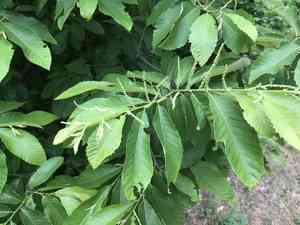
Dwarf Chestnut (Castanea pumila)
Also known as: Common Chinquapin, Ozark Chinquapin, Allegheny Chinquapin, Ozark Chinkpin, Common Chinkapin
The Dwarf Chestnut (Castanea pumila), also known as the Allegheny Chinkapin, is a small deciduous shrub or tree native to the southeastern United States. Here are its key attributes and preferred growing conditions:
1. **Size**: Reaches a height of 6-20 feet.
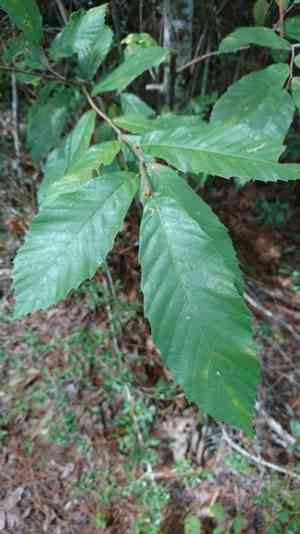
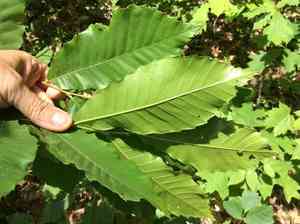
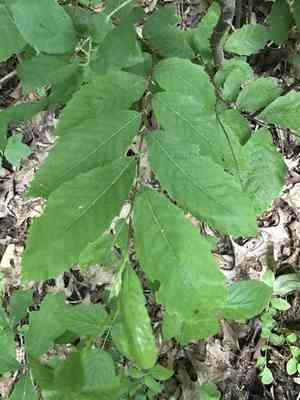
2. **Leaves**: Glossy, serrated, and elliptical, changing to yellow in autumn.
3. **Flowers**: Produces catkins in late spring to early summer.
4. **Fruit**: Bears small, spiny burs containing edible nuts, popular with both humans and wildlife.
5. **Soil**: Thrives in well-drained sandy or loamy soils.
6. **Sunlight**: Prefers full sun to partial shade.
7. **Climate**: Favors regions with hot summers and is hardy in USDA zones 5-9.
8. **Water**: Requires moderate watering; becomes drought-resistant once established.
9. **Pests/Diseases**: Vulnerable to chestnut blight.
The plant provides essential habitat for woodland creatures and needs good air circulation to maintain health.
Attributes of Dwarf Chestnut
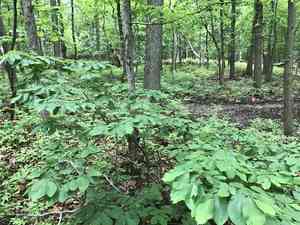
Images of Dwarf Chestnut
 How to Water Dwarf Chestnut?
  What Are the Sunlight Requirements for Dwarf Chestnut?
  What Is the Ideal Temperature Range for Dwarf Chestnut?
  What Soil is Best for Dwarf Chestnut?
  How to Fertilize Dwarf Chestnut?
  How to Prune Dwarf Chestnut?
  How to Propagate Dwarf Chestnut plant?
 How to Repot Dwarf Chestnut plant?



