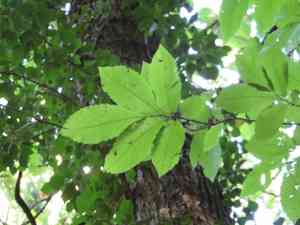
Sweet chestnut (Castanea sativa)
Also known as: European chestnut, European horse chestnut, Marron
The sweet chestnut (Castanea sativa) is indigenous to southern Europe and has historically provided one of the region's oldest food sources. This tree flourishes in weathered, acidic soil.
In This Article
Attributes of Sweet chestnut
Lifespan
Perennial
Plant Type
Tree
Plant Height
20 m to 35 m
Spread
9 m to 15 m
Leaf Color
Green Variegated
Flower Size
1 cm
Flower Color
Yellow Green White
Images of Sweet chestnut
Quickly Identify Sweet chestnut
1
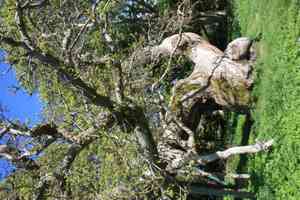
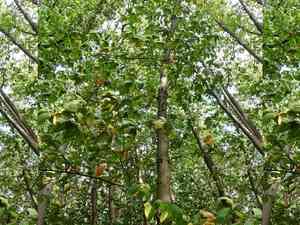
Large, pyramidal-rounded to broad-columnar form reaching up to 95 feet (29 meters) tall.
2
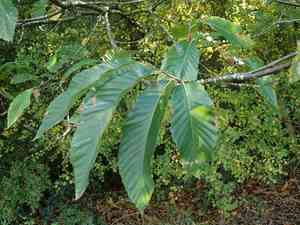
Oblong-lanceolate leaves with 20 pairs of parallel veins, turning yellow in fall.
3
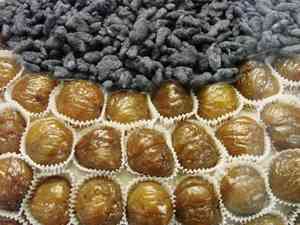
Edible nuts enclosed in spiky, 2-4 inches (5-10 cm) cupules opening to reveal shiny brown nuts.
4
Robust trunk up to 6 feet (1.8 meters) in diameter with net-like bark pattern and deep furrows.
5
Yellowish-green catkins with male flowers in upper parts and female flowers at the base.
Scientific Classification of Sweet chestnut
Phylum
Vascular plants
Class
Dicotyledons
Order
Beeches, walnuts, and allied trees
Family
Beech
Genus
Chestnuts
Species
Sweet chestnut
Planting and Growing of Sweet chestnut
Care Difficulty
Moderate
Watering Schedule
Every 2 days
Sunlight Requirements
Full sun
Sunshine Duration
4-8 hours
Ideal Temperature
50-86℉
Soil Type
Potting Mix, Peat Mix
Soil pH
6.5-7.5
Fertilizer Type
Balanced
Pruning Season
Spring, Summer
Pruning Area
Branches, Leaves
Pruning Frequency
2 times a year
Repotting Season
Spring
Pot Type
Plastic, Ceramic
 How to Water Sweet chestnut?
For Castanea sativa, it's vital to ensure the soil is well-moistened but not waterlogged. Aim to use around 1000 ml of water per application. The goal is to maintain a consistently moist environment while avoiding excessive water retaining in the soil.
More About Watering Techniques→
What are the symptoms of an underwatered Sweet chestnut?
›
What should I do if my Sweet chestnut is not getting enough water?
›
What are the symptoms of an overwatered Sweet chestnut?
›
How to save an overwatered Sweet chestnut?
›
 What Are the Sunlight Requirements for Sweet chestnut?
Castanea sativa thrives in full to partial sun, ideally receiving 6-8 hours of direct sunlight daily. This range supports its photosynthesis, growth, and fruit production processes, ensuring a healthy plant.
More About Sunlight Requirements Techniques→
What is the ideal light condition?
›
How can you achieve ideal lighting?
›
What benefits does ideal light provide?
›
 What Is the Ideal Temperature Range for Sweet chestnut?
The ideal temperature range for Castanea sativa lies between 50°F and 86°F. This range is conducive to optimal growth and nut production. Mild temperatures during the growing season ensure that the plant can photosynthesize effectively, leading to healthy foliage and robust nut yields. Maintaining temperatures within this range also minimizes plant stress and promotes overall plant vigor.
 What Soil is Best for Sweet chestnut?
The soil for Castanea sativa should have excellent drainage to prevent root rot. Well-draining soil enables roots to access oxygen efficiently, crucial for robust growth and nut production. A slightly acidic to neutral pH, between 6.5 and 7.5, is ideal for European chestnut. This pH range helps ensure nutrient availability and absorption, facilitating healthy leaf and fruit development. Rich soil with plenty of organic matter enhances the quality of the soil and provides necessary nutrients. This promotes healthy tree growth, vigorous foliage, and abundant chestnut production.
More About Soil→
 How to Fertilize Sweet chestnut?
For Castanea sativa, it is important to provide around 3-5 liters of liquid fertilizer diluted to half-strength per application, especially during its active growing season. For granular or solid fertilizers, spread approximately 50-100 grams around the base of the plant, ensuring an even distribution.
More About Fertilizing Techniques→
 How to Prune Sweet chestnut?
Prune in late winter or early spring before new growth starts. This timing minimizes sap loss and ensures you can clearly see the tree's structure. Begin by cutting away any dead or damaged wood. Identify branches that no longer produce leaves or show any signs of vitality. Thin out crowded branches to allow more light and air through the canopy. Aim to keep the center of the tree more open. Prune branches that cross or grow inward. Aim to guide the tree’s natural shape while ensuring the canopy remains well-balanced.
More About Pruning Techniques→
 How to Propagate Sweet chestnut plant?
1
Gather mature seeds from healthy chestnut trees in autumn. Clean and dry them before storage to prevent mold and decay until they are ready to plant in the spring.
2
Use a mix of well-draining soil and compost. Filling seed trays with this mixture will provide nutrients and support for the young plants.
3
Choose a healthy rootstock and a compatible scion. Use the grafting knife to make clean cuts on both sections and join them together securely with grafting tape.
 How to Repot Sweet chestnut plant?
1
Look for signs like roots emerging from drainage holes or soil that dries out very quickly. Spring is typically the best time to repot, as Castanea sativa begins its active growth phase, allowing it to adjust more effectively to its new environment.
2
Choose a pot that is one size larger than the current one, with good drainage holes to prevent root rot. Preferably, use a clay pot, which allows better air exchange and prevents soil from becoming overly soggy, benefitting the tree's root system.
3
Opt for a well-draining loamy soil enriched with organic matter to provide adequate nutrients. This type of soil supports healthy root growth and longevity, keeping moisture levels balanced and preventing waterlogging.



