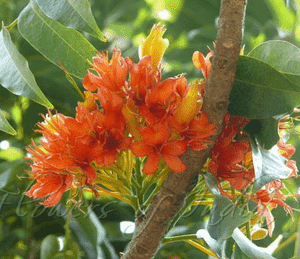
Moreton bay chestnut (Castanospermum australe)
Also known as: Australian chestnut
Moreton bay chestnut (Castanospermum australe) is a large evergreen tree species native to Australia. The moreton bay chestnut is commonly cultivated in potted plants and for landscaping purposes. This species was used by indigenous peoples of Australia to create wooden spears.
Attributes of Moreton bay chestnut
Images of Moreton bay chestnut
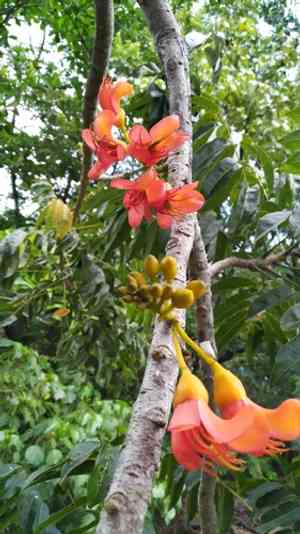
Quickly Identify Moreton bay chestnut
Scientific Classification of Moreton bay chestnut
Planting and Growing of Moreton bay chestnut
 How to Water Moreton bay chestnut?
 What Are the Sunlight Requirements for Moreton bay chestnut?
 What Is the Ideal Temperature Range for Moreton bay chestnut?
 What Soil is Best for Moreton bay chestnut?
 How to Fertilize Moreton bay chestnut?
 How to Prune Moreton bay chestnut?
 How to Propagate Moreton bay chestnut plant?
 How to Repot Moreton bay chestnut plant?
Toxicity of Moreton bay chestnut
Is Moreton bay chestnut toxic to humans?
Individuals are at a heightened risk of poisoning when consuming the raw seeds of the Moreton Bay chestnut. Ingesting these seeds can lead to illnesses ranging from moderate to severe. The fresh, immature, unprocessed seeds of this plant are toxic. Although the risk diminishes as the seeds mature, some authorities assert that they can still be harmful unless properly cooked. Symptoms of poisoning manifest as vomiting and diarrhea. These trees are favored for their aesthetic appeal and are often cultivated as indoor ornamental plants. Additionally, they are planted outdoors for their strong timber. These attributes contribute to increased exposure to the plant.
Is Moreton bay chestnut toxic to cat?
The Moreton Bay chestnut presents a significant toxicity risk to cats. Accidental ingestion, especially of the seeds containing the harmful alkaloid castanospermine, can lead to serious illness in felines. Signs of severe physical distress may manifest, making it essential to obtain immediate veterinary assistance. Promptly seeking treatment at a veterinary facility is vital for the well-being and possible recovery of the affected cat.
Is Moreton bay chestnut toxic to dog?
The Moreton Bay chestnut presents a significant toxicity hazard to dogs. Canines can inadvertently consume the plant, especially its seeds, which are recognized for their toxic properties. Following the ingestion of any part of the Moreton Bay chestnut, dogs may show various symptoms, including vomiting, diarrhea, abdominal discomfort, lethargy, and in severe instances, organ failure or even death. The toxicity is attributed to castanospermine, an indolizidine alkaloid found in the seeds, which triggers these harmful reactions. If a dog is suspected to have ingested the Moreton Bay chestnut, it is crucial to obtain prompt veterinary assistance to reduce risks and ensure proper treatment.



