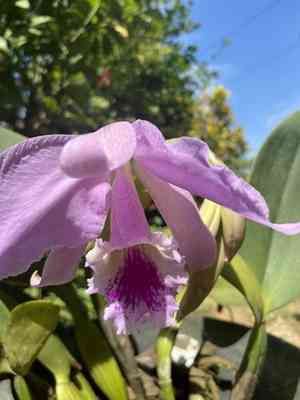
Crimson cattleya (Cattleya labiata)
Also known as: Autumn cattleya
Cattleya labiata, commonly known as the Crimson Cattleya, is a flowering plant indigenous to Brazil. It thrives in various environments, including trees, rocks, and soil. This orchid is pollinated by insects, particularly attracting bees. Another name for the Crimson Cattleya is the Ruby-lipped Cattleya.
In This Article
Attributes of Crimson cattleya
Lifespan
Perennial, Annual
Plant Type
Herb
Plant Height
25 cm
Spread
30 cm
Leaf Color
Green
Flower Size
13 cm to 18 cm
Flower Color
Pink Yellow Purple White Red Lavender Gold
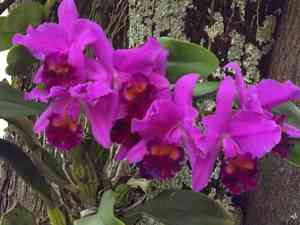
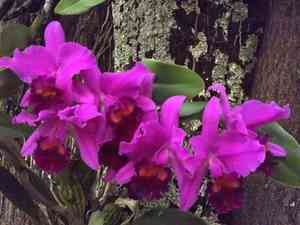
Images of Crimson cattleya
Quickly Identify Crimson cattleya
1
Large flowers (4-6 inches, 10-15 cm) with vivid pink to purple ruffled lips and yellow throats.
2
Thick, waxy, leathery leaves (8-12 inches, 20-30 cm) with prominent parallel venation.
3
Lilac-colored blossoms on smaller plants; White flowers on larger individuals.
4
Fleshy rhizomes aiding epiphytic lifestyle, clasping onto tree branches.
5
Blooms emit enticing fragrance, demanding careful lighting and high humidity in warm climates.
Scientific Classification of Crimson cattleya
Phylum
Vascular plants
Class
Monocotyledons
Order
Asparagales
Family
Orchid
Genus
Cattleya
Species
Crimson cattleya
Planting and Growing of Crimson cattleya
Care Difficulty
Hard
Watering Schedule
Every 3 days
Sunlight Requirements
Partial sun
Sunshine Duration
4-6 hours
Ideal Temperature
60-80℉
Soil Type
Potting Mix, Peat Mix
Soil pH
6.5-7.5
Fertilizer Type
Balanced
Pruning Season
Spring, Summer
Pruning Area
Branches, Leaves
Pruning Frequency
2 times a year
Repotting Season
Spring
Pot Type
Terracotta, Plastic
 How to Water Crimson cattleya?
For Cattleya labiata, provide approximately 200 ml of water at each watering. Ensure water penetrates through the potting medium, reaching the roots but avoiding waterlogged conditions. The goal is to ensure that the media is consistently moist without being soggy.
More About Watering Techniques→
What are the symptoms of an underwatered Crimson cattleya?
›
What should I do if my Crimson cattleya is not getting enough water?
›
What are the symptoms of an overwatered Crimson cattleya?
›
How to save an overwatered Crimson cattleya?
›
 What Are the Sunlight Requirements for Crimson cattleya?
Cattleya labiata prefers partial sun, which means approximately 2-4 hours of sunlight per day. This range helps the plant to produce vibrant blooms and fosters healthy growth.
More About Sunlight Requirements Techniques→
What is the ideal light for Cattleya labiata?
›
How can you achieve ideal lighting conditions?
›
What benefits come from ideal lighting?
›
 What Is the Ideal Temperature Range for Crimson cattleya?
The ideal temperature range for Cattleya labiata is between 60°F and 80°F. This range provides the optimal conditions for growth and flowering. Consistent temperatures within this range help the plant maintain healthy metabolic functions essential for photosynthesis and nutrient absorption. Why is this range considered ideal? The temperatures offer the right balance between warmth and coolness conducive to robust orchid development.
 What Soil is Best for Crimson cattleya?
Cattleya labiata thrives in well-draining soils to prevent root rot. These orchids need soil that allows water to pass through quickly, mimicking their natural habitat. A well-aerated mix ensures the roots receive enough oxygen, promoting healthy growth and vibrant blooms. Using a mixture enriched with organic material like bark and perlite enhances Cattleya labiata's soil. This sustainable approach provides necessary nutrients and retains some moisture while aiding drainage. The balance it provides is perfect for the orchid’s growth patterns. Orchids like Cattleya labiata require ample air in the root zone. A chunky mix with large particles like charcoal and bark improves aeration, allowing roots to breathe and grow freely, minimizing the risk of fungal infections.
More About Soil→
 How to Fertilize Crimson cattleya?
Cattleya labiata thrives when given the right amount of nutrients. Use a balanced orchid fertilizer diluted to a quarter of the recommended strength to avoid burning the roots. Each dose should be about 1/4 teaspoon per gallon of water, ensuring the solution is mild yet sufficient.
More About Fertilizing Techniques→
 How to Prune Crimson cattleya?
Cattleya labiata benefits from regular pruning to remove dead or damaged pseudobulbs and leaves. Use sterilized scissors to make clean cuts, ensuring you cut close to the base without harming the healthy parts of the plant. This helps to maintain the plant's vigor and enhances its flowering potential.
More About Pruning Techniques→
 How to Propagate Crimson cattleya plant?
1
Start by removing the plant from its pot and gently shaking off excess soil. Inspect the root system and look for natural divisions where the plant can be split.
2
Using the sharp knife, carefully cut through the rhizome ensuring each section has at least three pseudobulbs. Handle the delicate roots with care to avoid damage.
3
Plant each division into a new pot filled with orchid potting mix. Water sparingly until new growth appears to prevent root rot, and place in a location with indirect light.
 How to Repot Crimson cattleya plant?
1
Cattleya labiata primarily needs repotting when you notice the roots have outgrown the pot, or when the growing medium starts to break down. Signs include roots spilling over the pot or visible degradation of the potting bark. Ideally, wait until new growth appears, signaling that the plant is ready for root expansion.
2
Choose a pot that allows for ample drainage and is just slightly larger than the current root mass. This prevents water accumulation and root rot, providing enough space for growth without overwhelming the plant. Clear or breathable pots are preferable for monitoring moisture levels and promoting healthy root systems.
3
Select a potting medium that mimics the plant's natural tropical environment. A coarse orchid bark mix with added perlite or charcoal ensures excellent aeration and drainage. This setup not only maintains the necessary humidity around roots but also prevents fungal issues due to excess moisture.
Learn More About Crimson cattleya Diseases
Anthracnose
Bacterial Leaf Spot
Bacterial Soft Rot
Black Spot
Chemical Injury
Crown Gall
Damping-off
Drought Stress
Fusarium Wilt
Gray Mold
Leaf Spot
Mosaic
Nutrient Deficiency
Nutrient Toxicity
Powdery Mildew
Root Rot
Root-knot Nematode
Rusts
Sooty Mold
Spider Mites
Temperature Stress
Thrips Damage
White Mold



