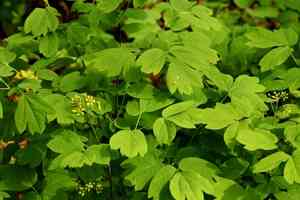
Blue cohosh (Caulophyllum thalictroides)
Also known as: Papoose root
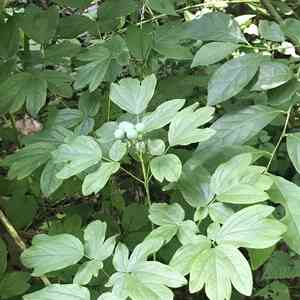
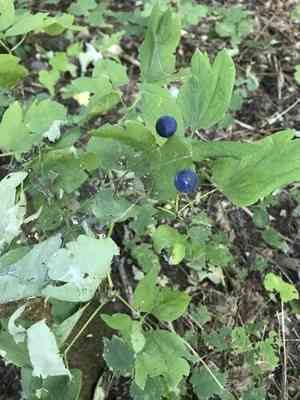
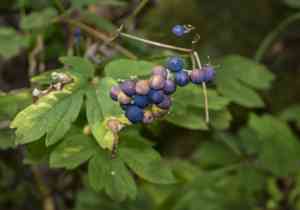
Blue cohosh (Caulophyllum thalictroides) is a perennial plant that flourishes in shady, forested areas with moist, well-drained soil. It produces clusters of greenish-yellow flowers that eventually develop into blue berries, which are toxic and should not be consumed. The plant's foliage starts as a delicate green in the spring and transitions to a golden-green hue as the season progresses.
Attributes of Blue cohosh
Images of Blue cohosh
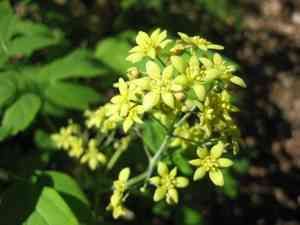
Quickly Identify Blue cohosh
Scientific Classification of Blue cohosh
Planting and Growing of Blue cohosh
 How to Water Blue cohosh?
 What Are the Sunlight Requirements for Blue cohosh?
 What Is the Ideal Temperature Range for Blue cohosh?
 What Soil is Best for Blue cohosh?
 How to Fertilize Blue cohosh?
 How to Prune Blue cohosh?
 How to Propagate Blue cohosh plant?
 How to Repot Blue cohosh plant?
Toxicity of Blue cohosh
Is Blue cohosh toxic to humans?
Blue cohosh exhibits mild toxicity when ingested, and handling the plant may lead to dermatitis. The toxic properties result from alkaloids and saponins present in its roots, berries, and seeds. Consumption of blue cohosh leads to low to moderate levels of illness, which can vary based on the quantity ingested. Due to their youth, lack of caution, and inherent curiosity, children are particularly vulnerable to poisoning, often mistaking the seeds for blueberries. Symptoms associated with blue cohosh poisoning may include vomiting, diarrhea, stomach cramps, chest pain, elevated blood pressure, and increased blood sugar levels. Contact with the plant can cause skin irritation.
Is Blue cohosh toxic to cat?
Blue cohosh is known to have a moderate level of toxicity for felines. If any part of this plant is ingested, it can result in poisoning in cats. Once affected, cats might show signs of physical distress or illness. It is vital that any cat suspected of having ingested blue cohosh be taken without delay to a veterinary clinic for a professional evaluation and care. Failing to seek immediate medical assistance could put the cat's health in significant jeopardy.
Is Blue cohosh toxic to dog?
Blue cohosh is a plant that poses moderate toxicity risk to dogs. All parts of the plant are toxic, meaning that if a dog consumes any part of it, they may exhibit symptoms such as gastrointestinal distress, neurological issues, or other signs of discomfort. Given the serious health hazards linked to this plant, dog owners must be cautious to keep their pets away from blue cohosh. Should a dog ingest any part of this plant, it is crucial to obtain prompt veterinary assistance to secure the best possible prognosis for the pet.



