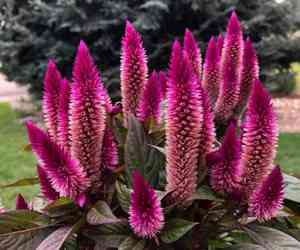
Plumed cockscomb (Celosia argentea)
Also known as: Wheat celosia, Common cockscomb
Plumed cockscomb, known for its vivid red, pink, or purple blooms, flourishes in warm, tropical climates. While it is sometimes used in soap-making, it is often regarded as an invasive weed in regions like China and India, where it can negatively impact local biodiversity.
In This Article
Attributes of Plumed cockscomb
Lifespan
Annual
Plant Type
Herb
Plant Height
30 cm to 1 m
Spread
30 cm to 60 cm
Leaf Color
Green
Flower Size
15 cm
Flower Color
White Yellow Pink Red Orange Purple
Images of Plumed cockscomb
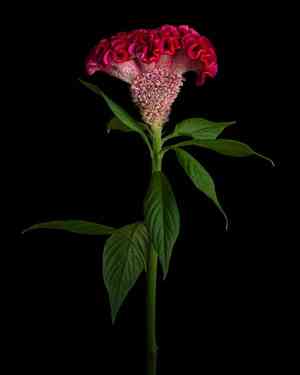
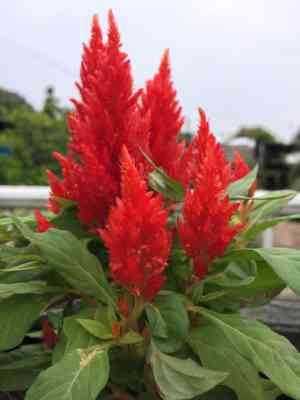
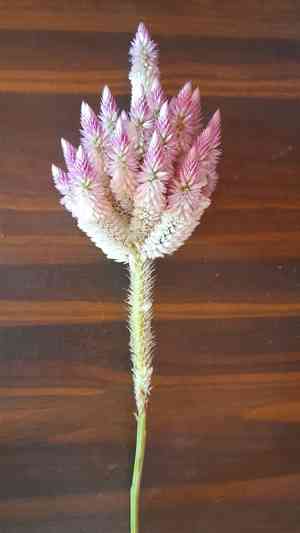
Quickly Identify Plumed cockscomb
1
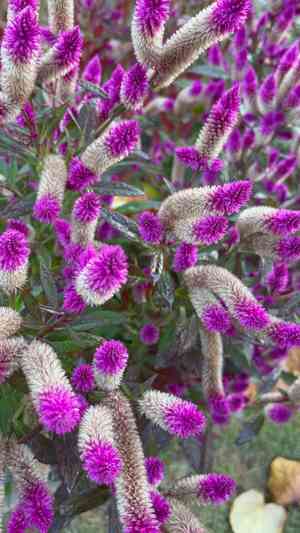
Terminal inflorescence resembles a cockscomb, plumose spike, or globular brain coral.
2
Spicate cymes with bold red to yellow carotenoid pigments and plume-like clusters.
3
Smooth, shiny fruit capsule with 1-5 seeds, inconspicuous compared to vibrant inflorescence.
4
Simple, alternate leaves range from linear-lanceolate to lanceolate-ovate, light green to dark.
5
Multi-branched, bushy stem with green to reddish hue, becoming woody and brownish.
Scientific Classification of Plumed cockscomb
Phylum
Vascular plants
Class
Dicotyledons
Order
Pinks, cacti, and allies
Family
Amaranth
Genus
Cockscombs
Species
Plumed cockscomb
Planting and Growing of Plumed cockscomb
Care Difficulty
Easy
Watering Schedule
Every 12 days
Sunlight Requirements
Full sun
Sunshine Duration
4-8 hours
Ideal Temperature
70-80℉
Soil Type
Potting Mix, Peat Mix
Soil pH
6.5-7.5
Fertilizer Type
Balanced
Pruning Season
Spring, Summer
Pruning Area
Branches, Leaves
Pruning Frequency
2 times a year
Repotting Season
Spring
Pot Type
Plastic, Ceramic
 How to Water Plumed cockscomb?
For Celosia argentea, it's crucial to water thoroughly but not excessively. The goal is to moisten the soil deeply, around 500 milliliters per session, ensuring the water reaches the roots without waterlogging. Water until it's evenly moist but not soggy.
More About Watering Techniques→
What are the symptoms of an underwatered Plumed cockscomb?
›
What should I do if my Plumed cockscomb is not getting enough water?
›
What are the symptoms of an overwatered Plumed cockscomb?
›
How to save an overwatered Plumed cockscomb?
›
 What Are the Sunlight Requirements for Plumed cockscomb?
Celosia argentea thrives in full sun to partial sun conditions. Ideal light ensures robust growth, intense flower coloration, and contributes to a sturdy plant resistant to environmental stressors.
More About Sunlight Requirements Techniques→
What type of sunlight is best?
›
What solutions can help achieve ideal lighting?
›
What are the benefits of ideal lighting?
›
 What Is the Ideal Temperature Range for Plumed cockscomb?
The ideal temperature range for Celosia argentea is between 70°F and 80°F. This range ensures optimal growth, vibrant colors, and robust flowering. Within these temperatures, the plant can carry out efficient photosynthesis and metabolic processes.
 What Soil is Best for Plumed cockscomb?
Celosia argentea thrives in soil that is rich in organic matter, which helps support vigorous growth and vibrant blooms. A well-enriched mix ensures the plant has access to essential macro and micronutrients, boosting overall vitality and resilience. Proper soil drainage is crucial to prevent waterlogged conditions that can lead to root rot. Utilizing soil that facilitates excess water movement ensures Celosia roots receive adequate oxygen and reduces the risk of fungal diseases. The soil should retain enough moisture to keep the roots hydrated but not too much that it becomes soggy. Choosing soil that maintains a balance helps avoid dehydration during hot days while preventing overwatering during rainy spells.
More About Soil→
 How to Fertilize Plumed cockscomb?
Celosia argentea thrives on a moderate amount of fertilizer. Liquid fertilizer should be applied at a concentration of half a teaspoon per gallon of water. For slow-release granules, apply about one tablespoon per 6 inches of plant diameter.
More About Fertilizing Techniques→
 How to Prune Plumed cockscomb?
Begin by inspecting the plant for any dead or wilting flowers, which should be removed first. Next, check for any leggy stems and trim them back to encourage bushier growth. Ensure you cut just above a node (the point where the leaves grow) for optimal results. If shaping is needed, prune branches selectively to maintain a balanced and appealing appearance.
More About Pruning Techniques→
 How to Propagate Plumed cockscomb plant?
1
Begin by filling seed trays with a light potting mix. Sow the seeds lightly on the surface and cover them with a thin layer of soil. Keep the trays in a warm, well-lit area, ensuring the soil remains consistently moist but not waterlogged.
2
Select healthy, mature stems from the parent plant. Using clean shears, make a cut just below a node. Remove leaves from the lower part of the cutting, leaving a few at the top. Dip the cut end in rooting hormone to encourage root development.
3
Insert the prepared cuttings into a pot filled with a suitable potting mix. Ensure that the cuttings are a few inches apart and firm the soil around the base. Water the cuttings lightly and cover the pot with a clear plastic bag to create a humid environment.
 How to Repot Plumed cockscomb plant?
1
Celosia argentea should be repotted when its roots start to outgrow the current pot or become tightly bound. Another sign includes a noticeable slowdown in growth even when all other conditions are optimal. These indicators show that the plant needs more room for root expansion and a fresh substrate to thrive.
2
Choose a pot that's about 2 inches larger in diameter than the previous one, ensuring it has drainage holes. This size allows for root expansion without overwhelming the plant with too much space, which could lead to water retention and root rot. A breathable, porous pot material also helps maintain optimal root health.
3
Opt for a well-draining potting mix that retains some moisture but doesn't become waterlogged. A mix enriched with perlite or sand will provide the necessary aeration and drainage. This type of soil helps mimic Celosia's natural habitat, offering the right balance of moisture and structure.



