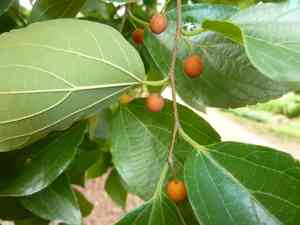
Chinese hackberry (Celtis sinensis)
Also known as: Japanese hackberry
The Chinese hackberry, or Celtis sinensis, is a deciduous tree in the hemp family. It can reach heights of up to 18 meters and is sometimes regarded as invasive.
In This Article
Attributes of Chinese hackberry
Lifespan
Perennial
Plant Type
Tree
Plant Height
20 m
Spread
11 m to 15 m
Leaf Color
Green Yellow
Flower Size
Small and inconspicuous
Flower Color
Yellow Green Brown
Images of Chinese hackberry
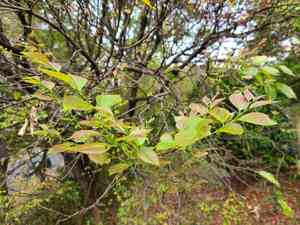
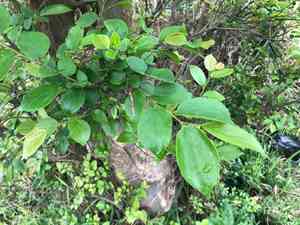
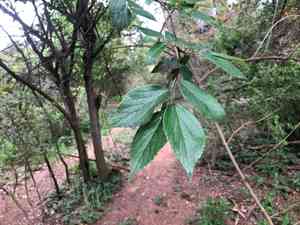
Quickly Identify Chinese hackberry
1
Deciduous tree with a round, spreading canopy, reaching heights of 40 to 50 feet (12 to 15 meters).
2
Small, inconspicuous monoecious flowers with greenish hue, less than 0.12 inches (3 mm) in size.
3
Globose drupe fruit, 1/3 inch (8.5 mm) diameter, transitioning from green to reddish-brown.
4
Dark green leaves, 2 to 5 inches (5 to 12 cm) long, with serrated margins and prominent veins.
5
Smooth gray to gray-brown bark, without fissures or peeling, enveloping a robust trunk.
Scientific Classification of Chinese hackberry
Phylum
Vascular plants
Class
Dicotyledons
Order
Roses, elms, figs, and allies
Family
Hemp
Genus
Hackberries
Species
Chinese hackberry
Planting and Growing of Chinese hackberry
Care Difficulty
Easy
Watering Schedule
Every 3 days
Sunlight Requirements
Full sun
Sunshine Duration
6-10 hours
Ideal Temperature
60-75℉
Soil Type
Potting Mix, Peat Mix
Soil pH
6.5-7.5
Fertilizer Type
Balanced
Pruning Season
Spring, Summer
Pruning Area
Branches, Leaves
Pruning Frequency
2 times a year
Repotting Season
Spring
Pot Type
Ceramic, Plastic
 How to Water Chinese hackberry?
Celtis sinensis, commonly known as the Chinese Hackberry, requires around 500ml of water each time you water it. The goal is to soak the soil thoroughly without leaving it waterlogged. Always check the top inch of soil; it should be dry before you water again. This ensures that roots have enough moisture and minimizes the risk of root rot.
More About Watering Techniques→
What are the symptoms of an underwatered Chinese hackberry?
›
What should I do if my Chinese hackberry is not getting enough water?
›
What are the symptoms of an overwatered Chinese hackberry?
›
How to save an overwatered Chinese hackberry?
›
 What Are the Sunlight Requirements for Chinese hackberry?
Celtis sinensis' ideal light range spans full sun to partial sun. Adequate light ensures lush growth, vibrant foliage, and a stronger resistance against environmental stressors.
More About Sunlight Requirements Techniques→
What type of sunlight does Celtis sinensis prefer?
›
How can you achieve the ideal sunlight conditions for Celtis sinensis?
›
Why is obtaining ideal sunlight conditions important for Celtis sinensis?
›
 What Is the Ideal Temperature Range for Chinese hackberry?
Celtis sinensis thrives in a temperature range of 60 to 75°F where its biological processes can operately optimally. In these conditions, the tree experiences optimal photosynthesis, nutrient uptake, and growth. The moderate climate within this range supports the tree’s life cycle, preventing heat stress and cold damage, allowing it to flourish.
 What Soil is Best for Chinese hackberry?
Celtis sinensis thrives in well-drained soils, which prevent root rot and other water-related issues. Good drainage ensures that excess water doesn’t pool around the roots, promoting healthy growth and reducing the risk of fungal infections. While good drainage is critical, the soil should still retain adequate moisture. Loam and sandy loam soils provide a good balance, holding enough water for the plant's needs while ensuring any surplus can drain away, offering optimal moisture levels for sustained growth. Rich organic matter in the soil, such as decomposed leaves or compost, provides essential nutrients for Celtis sinensis. These organic components enhance soil fertility, improve texture, and facilitate vital microbial activity, promoting robust plant development.
More About Soil→
 How to Fertilize Chinese hackberry?
Celtis sinensis requires moderate fertilizer application. Use 10-10-10 NPK liquid fertilizer at a concentration of half a teaspoon per gallon of water. For slow-release fertilizers, apply three ounces per plant annually.
More About Fertilizing Techniques→
 How to Prune Chinese hackberry?
Begin by identifying and removing any dead, diseased, or damaged branches. Cut at a 45-degree angle just above a healthy bud. Removing these branches can prevent further disease spread and promote healthier growth. Prune for shape by removing any crossing or overcrowded limbs, especially those that grow inward or rub against each other. Adequate thinning improves air circulation and sunlight penetration, which helps to ward off diseases and enhances the tree's overall vigor.
More About Pruning Techniques→
 How to Propagate Chinese hackberry plant?
1
Collect seeds from ripe Celtis sinensis fruits. Ensure that they are plump and free from any signs of pest or fungal damage. Soaking them in water can help in identifying viable seeds as they will sink while non-viable seeds float.
2
Choose healthy, non-flowering stems for cuttings. Make cuts just below a node to encourage root development. Cuttings should ideally be 6-8 inches long and all but the top leaves should be removed to minimize water loss.
3
Plant seeds or cuttings in a pot filled with potting mix. Water thoroughly but ensure excess water drains away. Place in a warm, brightly lit location indoors or in a greenhouse to encourage root development.
 How to Repot Chinese hackberry plant?
1
Celtis sinensis requires repotting when you observe roots growing out of the drainage holes or when the plant starts to exhibit sluggish growth despite optimal care. Early spring, before new growth begins, is ideal as this timing reduces stress and takes advantage of the plant's natural growth cycle.
2
Opt for a pot that is just one size larger than the current one. The new pot should have adequate drainage holes to prevent water accumulation. A slightly larger pot provides the root system with enough room to grow without overwhelming Celtis sinensis, thereby ensuring proper nutrient absorption and stability.
3
Choose a well-draining loamy soil mix enriched with organic matter. This ensures proper aeration and water retention, allowing the roots to breathe while still providing essential nutrients. Such soil mimics the plant’s natural habitat, supporting its growth and vitality.



