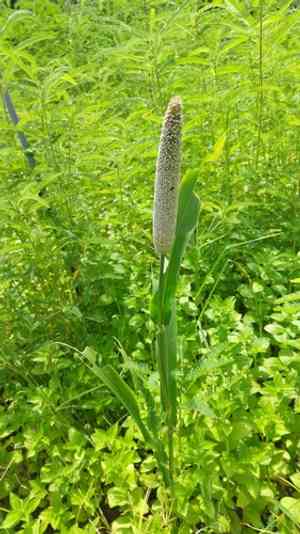
Pearl millet (Cenchrus americanus)
Also known as: Pearl Millet, Bajra
Pearl millet, also known as Cenchrus americanus, is a crucial subsistence crop known for its hardiness and drought tolerance. It thrives in arid regions with minimal rainfall, such as areas near deserts. This crop has a long history, being cultivated since around 2000 B.C., and was introduced to the United States in the 1850s.
In This Article
Attributes of Pearl millet
Lifespan
Annual, Perennial
Plant Type
Herb
Plant Height
90 cm
Spread
1 m
Leaf Color
Green Red Brown
Flower Size
2 to 5 centimeters
Flower Color
Yellow Purple Brown Black
Images of Pearl millet
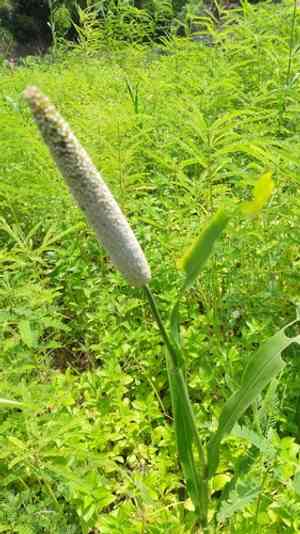
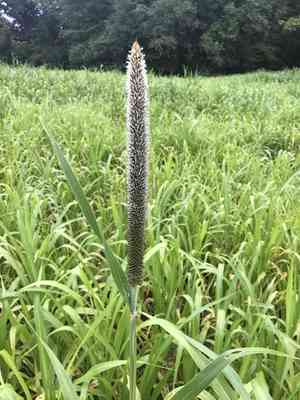
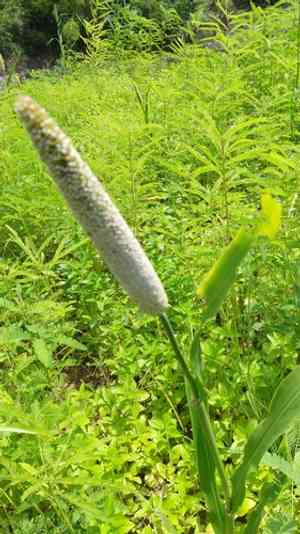
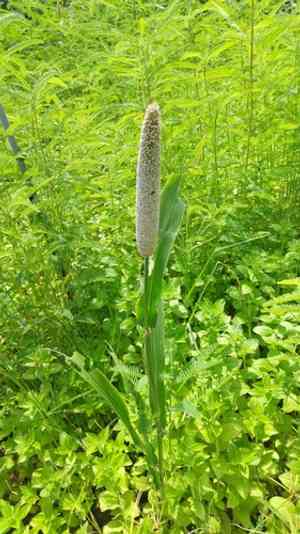
Quickly Identify Pearl millet
1
Tall, erect growth up to 10 feet (3 meters), distinctive greyish-green foliage.
2
Cylindrical flower spikes up to 2 feet (60 cm) long, wind-pollinated florets.
3
Terminal, bottle-brush-like dense raceme, wind-pollinated tiny flowers up to 1¾ feet (53 cm).
4
Small, rounded grains less than 0.2 inches (5 mm), diverse colors with spines or bristles.
5
Narrowly lanceolate leaves up to 3 feet (90 cm) long, smooth texture and prominent midrib.
Scientific Classification of Pearl millet
Phylum
Vascular plants
Class
Monocotyledons
Order
Poales
Family
Grass
Genus
Buffelgrasses
Species
Pearl millet
Planting and Growing of Pearl millet
Care Difficulty
Easy
Watering Schedule
Every 4 days
Sunlight Requirements
Full sun
Sunshine Duration
6-10 hours
Ideal Temperature
77-86℉
Soil Type
Potting Mix, Peat Mix
Soil pH
6-7.5
Fertilizer Type
Balanced
Pruning Season
Spring, Summer
Pruning Area
Branches, Leaves
Pruning Frequency
2 times a year
Repotting Season
Spring
Pot Type
Plastic, Terracotta
 How to Water Pearl millet?
When watering Cenchrus americanus, aim to provide around 500ml of water per session. Ensure the water penetrates the soil deeply without pooling on the surface, promoting healthy root growth and preventing waterlogging.
What are the symptoms of an underwatered Pearl millet?
›
What should I do if my Pearl millet is not getting enough water?
›
What are the symptoms of an overwatered Pearl millet?
›
How to save an overwatered Pearl millet?
›
 What Are the Sunlight Requirements for Pearl millet?
Cenchrus americanus flourishes in full sun, requiring 8-12 hours of light daily. This ensures vibrant, healthy growth and maximum photosynthesis for optimal energy capture.
More About Sunlight Requirements Techniques→
How much sun does Cenchrus americanus need?
›
How can I achieve ideal sunlight for Cenchrus americanus?
›
What benefits does ideal sun exposure provide to Cenchrus americanus?
›
 What Is the Ideal Temperature Range for Pearl millet?
Cenchrus americanus grows best within a temperature range of 77°F to 86°F. This range supports optimal photosynthesis, growth, and physiological processes, ensuring healthy development. Staying within this temperature window minimizes plant stress and risk of diseases.
 What Soil is Best for Pearl millet?
For optimal growth, Cenchrus americanus thrives in well-drained soil that prevents waterlogging. This condition ensures that the plant receives adequate oxygen for root development, preventing root rot and promoting a healthy overall plant structure. The plant demands nutrient-rich soil, which supports robust growth and high yield. Nutrients such as nitrogen, phosphorus, and potassium contribute to the plant's strong stem, vibrant leaves, and healthy grain production, making it crucial for agricultural success. The soil should maintain moderate moisture levels, balancing water supply without causing saturation. Adequate moisture helps ensure consistent water supply to roots, supporting the plant's metabolic processes and ultimately enhancing resilience against drought.
 How to Fertilize Pearl millet?
Cenchrus americanus requires a balanced nutrient supply. Apply a dilute liquid fertilizer at a concentration of 1 tablespoon per gallon of water. For granular fertilizers, a handful per square foot is suitable. Ensure even distribution to prevent nutrient hotspots.
 How to Prune Pearl millet?
Begin by identifying dead or damaged stems and remove them at their base. For healthy stems, trim just above a node to encourage new growth. Maintain a balanced shape by cutting slightly above leaf nodes, helping the plant grow in a well-structured manner. Opt for pruning during morning or late afternoon when temperatures are cooler. This minimizes stress and allows the plant to recover better before the onset of harsh weather conditions.
More About Pruning Techniques→
 How to Propagate Pearl millet plant?
1
Collect seeds from mature Cenchrus americanus plants. Make sure the seeds are dry and free from pests or diseases to ensure successful germination.
2
Sow the seeds evenly in seed trays with a well-draining soil mix. Cover them with a thin layer of soil and water lightly to initiate germination.
3
Once seedlings have developed a few true leaves, they are ready to be transplanted into larger containers or directly into the garden. Choose a sunny location with well-draining soil for planting.
 How to Repot Pearl millet plant?
1
Cenchrus americanus should be repotted when you notice roots growing out of the drainage holes or when the plant stops growing vigorously. Another good signal is when the soil becomes compacted, indicating that the nutrients have been used up. Typically, late spring or early summer is an ideal time, ensuring that the plant has warm temperatures to support recovery and growth.
2
Select a pot that is slightly larger than the current one, ensuring it has adequate drainage holes. A well-chosen pot supports healthy root growth and reduces the risk of waterlogging, essential for preventing root rot. Opt for materials like terracotta that provide breathability, helping to regulate moisture and temperature within the pot.
3
A well-draining, nutrient-rich sandy loam is key for this grass. Such soil mimics its native environment, ensuring it does not sit in over-moist conditions, which can lead to root rot. The blend should be balanced to retain some moisture but still allow excess water to drain through easily, promoting healthy root development and growth.
Learn More About Pearl millet Diseases
Anthracnose
Bacterial Leaf Spot
Bacterial Wilt
Chemical Injury
Cyst Nematode
Damping-off
Downy Mildew
Drought Stress
Fusarium Wilt
Gray Mold
Leaf Spot
Mosaic
Nutrient Deficiency
Nutrient Toxicity
Powdery Mildew
Root Rot
Root-knot Nematode
Rusts
Sooty Mold
Spider Mites
Temperature Stress
Thrips Damage
White Mold



