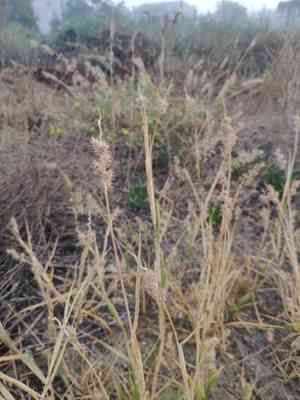
Mat sandbur (Cenchrus longispinus)
Also known as: Spiny burr grass
Mat sandbur plants produce sharp burrs that cling to animals and human clothing, aiding in seed dispersal. These burrs help the seeds travel to new areas. Mat sandburs are invasive and can displace native plants.
In This Article
Attributes of Mat sandbur
Lifespan
Annual
Plant Type
Grass
Plant Height
20 cm to 61 cm
Spread
60 cm
Leaf Color
Green
Flower Size
10 cm
Flower Color
Yellow Green
Images of Mat sandbur
Quickly Identify Mat sandbur
1
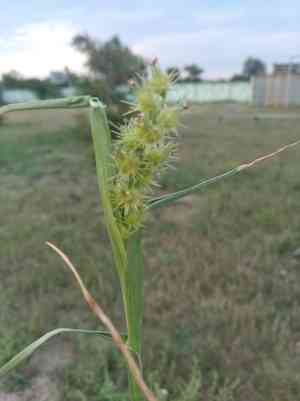
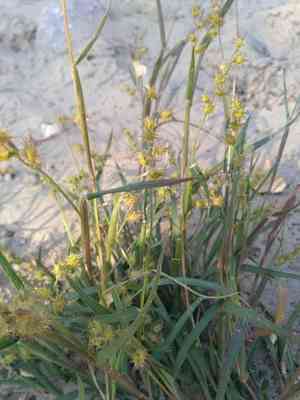
Sparse clump growth pattern with culms up to 2.5 feet (76 cm) long.
2
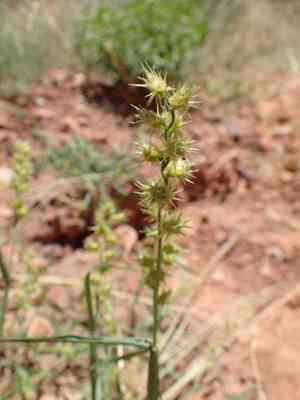
Yellow-green spike-like flowers in protective spine-covered burs, 1-4 inches (2.5-10 cm) long.
3
Hardened spiny burs with 1-3 seeds, brownish hue, and sharp clinging spines.
4
Elongated leaves up to 6 inches (15 cm) with rough upper and smooth underside textures.
5
Light green stems, slender, 1-3 feet (30-90 cm) tall, smooth with minimal branching.
Scientific Classification of Mat sandbur
Phylum
Vascular plants
Class
Monocotyledons
Order
Poales
Family
Grass
Genus
Buffelgrasses
Species
Mat sandbur
Planting and Growing of Mat sandbur
Care Difficulty
Hard
Watering Schedule
Every 3 days
Sunlight Requirements
Full sun
Sunshine Duration
6-10 hours
Ideal Temperature
77-95℉
Soil Type
Potting Mix, Peat Mix
Soil pH
6.5-7.5
Fertilizer Type
Balanced
Pruning Season
Spring, Summer
Pruning Area
Branches, Leaves
Pruning Frequency
2 times a year
Repotting Season
Spring
Pot Type
Plastic, Ceramic
 How to Water Mat sandbur?
When watering Cenchrus longispinus, adhere to the principle of a thorough soak. Ensure the water penetrates deeply enough to reach the root zone. This species thrives when given approximately 250 ml of water per session, allowing the soil to dry between watering.
What are the symptoms of an underwatered Mat sandbur?
›
What should I do if my Mat sandbur is not getting enough water?
›
What are the symptoms of an overwatered Mat sandbur?
›
How to save an overwatered Mat sandbur?
›
 What Are the Sunlight Requirements for Mat sandbur?
Preferring full sun to partial light, Cenchrus longispinus benefits from extensive sun exposure. This facilitates optimal photosynthesis, ensuring vibrant growth, sturdy stems, and a lush appearance crucial for its ecological role and reproduction through seed dispersal.
More About Sunlight Requirements Techniques→
Optimal Sun Exposure
›
Preventing Overexposure
›
Winter Lighting Adjustments
›
 What Is the Ideal Temperature Range for Mat sandbur?
The ideal temperature range for Cenchrus longispinus is between 77°F and 95°F. This range ensures optimal growth as it supports vital physiological processes such as photosynthesis and transpiration. At these temperatures, the plant can efficiently absorb nutrients and maintain its metabolic rate. Providing a warm environment conducive to its growth habits ensures that Cenchrus longispinus can thrive.
 What Soil is Best for Mat sandbur?
Cenchrus longispinus thrives in soil that drains well. This prevents waterlogging which can lead to root rot, ensuring the roots get sufficient air and nutrients. While not very demanding, Cenchrus longispinus benefits from moderately fertile soil, which aids in optimal growth and sustenance of its spiny seed heads. Incorporating some organic matter into the soil can enhance its structure and nutrient availability, offering the plant a healthy growing medium that supports its robust nature.
 How to Fertilize Mat sandbur?
For Cenchrus longispinus, it's advisable to use a balanced liquid fertilizer that is diluted to half strength. Apply approximately 1 cup per plant each time you fertilize, ensuring not to saturate the soil.
 How to Prune Mat sandbur?
Begin by wearing gloves to protect your hands from the spiny burs of Cenchrus longispinus. Use sharp pruning shears to cut back any stems that appear overgrown or are encroaching on neighboring plants. Aim to trim back the plant by about one-third to maintain its shape and manage its spread. Dispose of all cut material properly to prevent unwanted reseeding. To prevent the spread of Cenchrus longispinus, it's essential to prune before the plant sets seed. Look for seed heads forming in mid to late summer and cut them off promptly. This will help reduce seed distribution and limit the plant's invasiveness in your garden.
More About Pruning Techniques→
 How to Propagate Mat sandbur plant?
1
Collect mature seeds from the plant once the seed heads have dried and turned brown. Ensure they are fully dried before storing or planting to prevent mold.
2
Fill a sterile container with potting mix, scatter seeds evenly, and cover them lightly with soil. Ensure they are not deeply buried to facilitate sprouting.
3
Water the seeds gently using a spray bottle to avoid displacing them. Maintain moisture without waterlogging, as it can lead to seed rot.
 How to Repot Mat sandbur plant?
1
Repotting for Cenchrus longispinus should occur when roots start to emerge from the drainage holes, indicating that the plant is becoming root-bound. Additionally, if growth appears stunted despite healthy care, it's time for a new pot. Spring or the beginnings of summer are ideal since the plant is entering its active growth phase, facilitating better adjustment to new conditions.
2
Opt for a pot that is only an inch or two larger than the current one. The material should have good drainage capability, such as terracotta, which prevents waterlogging by allowing moisture to evaporate. This is critical because Cenchrus longispinus does not thrive in soggy conditions, and a breathable pot helps keep the roots healthy.
3
Select a well-draining sandy soil mix to mimic the plant’s natural environment. This choice ensures adequate drainage, preventing root rot by allowing excess water to escape quickly. The sandy texture should allow for good airflow to the roots, promoting a robust and healthy root system over time.
Toxicity
Ingestion
WARNING
The judgment on toxicity and danger is for reference only. We DO NOT GUARANTEE any accuracy of such judgment. Therefore, you SHALL NOT rely on such judgment. It is IMPORTANT TO SEEK PROFESSIONAL ADVICE in advance when necessary.



