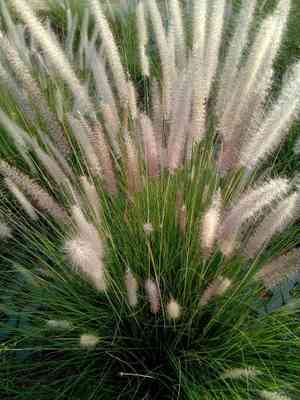
Crimson fountain grass (Cenchrus setaceus)
Also known as: Rose fountain grass
Crimson fountain grass (Cenchrus setaceus), also known simply as fountain grass, is an ornamental plant originally from East Africa, Asia, and the Middle East. It is well-regarded for its drought tolerance and attractive burgundy plumes. However, it poses ecological concerns as it can be highly invasive, outcompeting native flora and increasing fire risk. Its ability to spread rapidly makes it a problematic species in some regions.
In This Article
Attributes of Crimson fountain grass
Lifespan
Perennial, Annual
Plant Type
Grass
Plant Height
20 cm to 1.3 m
Spread
60 cm to 1.2 m
Leaf Color
Green Blue Red Purple
Flower Size
15 cm
Flower Color
Purple Red
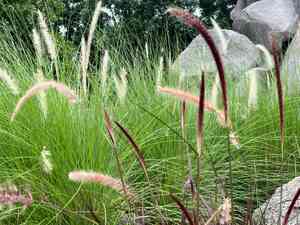
Images of Crimson fountain grass
Quickly Identify Crimson fountain grass
1
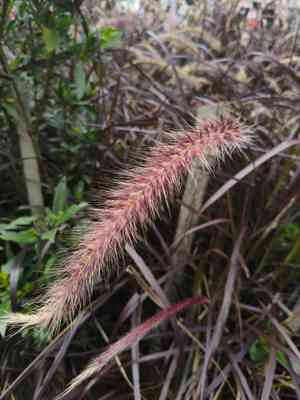
Rich burgundy to reddish-purple foliage distinguishes crimson fountain grass from other grasses.
2
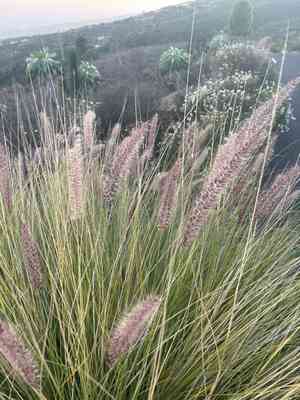
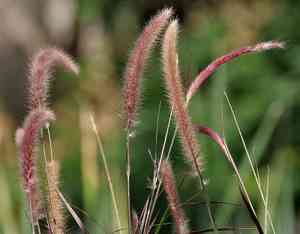
Distinctive bottlebrush racemes with reddish-purple spiklets and feathery awns attract wildlife.
3
Linear leaves up to 1 foot (30 cm) long exhibiting scabrous texture and vibrant color.
Scientific Classification of Crimson fountain grass
Phylum
Vascular plants
Class
Monocotyledons
Order
Grasses, sedges and allies
Family
Grass
Genus
Buffelgrasses
Species
Crimson fountain grass
Planting and Growing of Crimson fountain grass
Care Difficulty
Easy
Watering Schedule
Every 2 days
Sunlight Requirements
Full sun
Sunshine Duration
4-8 hours
Ideal Temperature
65-85℉
Soil Type
Potting Mix, Peat Mix
Soil pH
6.5-7.5
Fertilizer Type
Balanced
Pruning Season
Spring, Summer
Pruning Area
Branches, Leaves
Pruning Frequency
2 times a year
Repotting Season
Spring
Pot Type
Plastic, Ceramic
 How to Water Crimson fountain grass?
Cenchrus setaceus, commonly known as fountain grass, requires moderate watering. When watering, aim to provide about 250 milliliters each time, ensuring the soil is evenly moist but not waterlogged. This helps simulate its natural habitat and prevent root rot.
What are the symptoms of an underwatered Crimson fountain grass?
›
What should I do if my Crimson fountain grass is not getting enough water?
›
What are the symptoms of an overwatered Crimson fountain grass?
›
How to save an overwatered Crimson fountain grass?
›
 What Are the Sunlight Requirements for Crimson fountain grass?
Cenchrus setaceus thrives in full sun conditions, which ensures vigorous growth and a healthy, vibrant appearance. Full sun provides the energy needed for photosynthesis, supporting robust blooms and dense foliage.
More About Sunlight Requirements Techniques→
How much sunlight does Cenchrus setaceus need?
›
What is the best location for Cenchrus setaceus?
›
What benefits does optimal lighting provide?
›
 What Is the Ideal Temperature Range for Crimson fountain grass?
The ideal temperature range for Cenchrus setaceus, also known as fountain grass, falls between 65°F and 85°F. This temperature range ensures optimal growth by providing an environment similar to its native habitats. Keeping within this range helps the plant to sustain photosynthesis and maintain healthy foliage.
 What Soil is Best for Crimson fountain grass?
Cenchrus setaceus thrives in well-drained soil, preventing waterlogging that can lead to root rot. This characteristic helps maintain optimal root aeration and nutrient absorption, ensuring healthy plant development. This plant is adapted to nutrient-poor soils, reducing the need for frequent fertilization. Such conditions allow it to compete successfully against less drought-tolerant species in arid and disrupted landscapes. The ability to tolerate dry soils makes Cenchrus setaceus an excellent choice for xeriscaping. This drought tolerance is beneficial in regions with limited water availability, promoting water conservation in landscaping.
More About Soil→
 How to Fertilize Crimson fountain grass?
For Cenchrus setaceus, also known as fountain grass, the recommended fertilizer amount is moderate. Use a balanced 10-10-10 liquid fertilizer, applying approximately 1 tablespoon per gallon of water. Apply evenly over the root zone to ensure nutrients reach the plant efficiently. Adjust if necessary, depending on plant growth and soil conditions.
More About Fertilizing Techniques→
 How to Prune Crimson fountain grass?
Inspect the plant for any dead or brown stems throughout the year. Use your pruning shears to make cuts at the base of these stems to encourage new growth. To maintain a neat appearance, trim back any excessively long or unruly stems to just above a node, encouraging the plant to grow back fuller and more compact. Cenchrus setaceus can spread vigorously. Use scissors or shears to gently shape the plant to your liking, maintaining a balanced look by evenly removing parts across the plant. Gather all the removed debris and dispose of it away from the garden area to reduce the risk of spreading any plant diseases or unwanted seeds.
 How to Propagate Crimson fountain grass plant?
1
Collect seeds from mature Cenchrus setaceus plants and clean them of any attached debris. Soak the seeds in water for 24 hours to enhance the germination process by ensuring they are adequately hydrated.
2
Fill propagation trays with a well-draining potting mix and plant the seeds at a depth of about half an inch. Ensure they are evenly spaced to allow sufficient room for development. Water gently after sowing.
3
For division propagation, carefully dig up a mature Cenchrus setaceus plant and gently separate the roots into smaller clumps. Each clump should have a good portion of roots attached to ensure successful replanting.
 How to Repot Crimson fountain grass plant?
1
Repot when roots outgrow the current pot or when growth becomes stunted, often indicated by wilting leaves or poor soil draining. Spring and summer offer optimal conditions with active growth and recovery capabilities.
2
Select a pot slightly larger than the current one, with ample drainage holes to prevent waterlogging. This facilitates root growth and prevents root rot, ensuring healthy air circulation for optimal plant health.
3
Opt for a sandy, well-draining soil mix to mimic its natural habitat. Such soil prevents water retention that can lead to root rot, providing a stable and nourishing environment.



