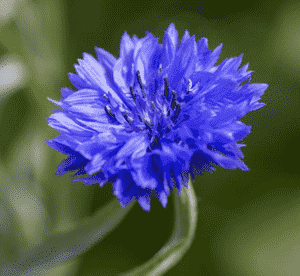
Cornflower (Centaurea cyanus)
Also known as: Garden cornflower, Bluebottle
Centaurea cyanus, commonly referred to as cornflower and bachelor’s button, is a notable flower celebrated for its striking blue hue. This particular shade was a favorite of the renowned Dutch artist Johannes Vermeer. In modern times, it has been immortalized as a Crayola crayon color and is also recognized as an HTML color name. This blue is typically described as medium to light with minimal green undertones.
In This Article
Attributes of Cornflower
Lifespan
Annual, Perennial, Biennial
Plant Type
Herb
Plant Height
20 cm to 1 m
Spread
15 cm to 30 cm
Leaf Color
Green
Flower Size
3.5 cm
Flower Color
Blue White Pink Red Purple Violet
Images of Cornflower
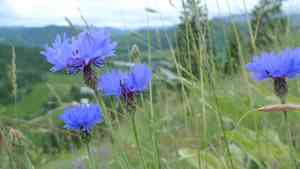
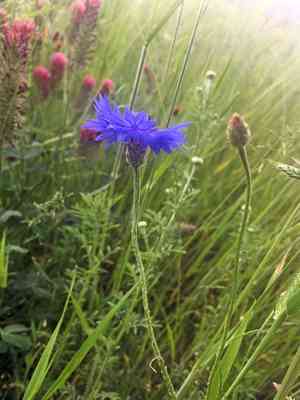
Quickly Identify Cornflower
1
Vivid blue flowers atop slender stems up to 2-3 feet tall (60-90 cm).
2
Thistle-like appearance with ragged, tubular petals distinguish the flowers of cornflower.
3
Dry achene fruit with distinctive tuft of bristles aids in wind dispersal.
4
Leaves 1-4 inches long (2.5-10 cm) with sparse to moderate long hairs.
5
Moderately thick stems with woolly hairs, prone to flopping without support.
Scientific Classification of Cornflower
Phylum
Vascular plants
Class
Dicotyledons
Order
Asters bellflowers fanflowers and allies
Family
Daisy
Genus
Centaury
Species
Cornflower
Planting and Growing of Cornflower
Care Difficulty
Easy
Watering Schedule
Every 8 days
Sunlight Requirements
Full sun
Sunshine Duration
4-8 hours
Ideal Temperature
60-70℉
Soil Type
Potting Mix, Peat Mix
Soil pH
6.5-7.5
Fertilizer Type
Balanced
Pruning Season
Spring, Summer
Pruning Area
Branches, Leaves
Pruning Frequency
2 times a year
Repotting Season
Spring
Pot Type
Plastic, Ceramic
 How to Water Cornflower?
Centaurea cyanus, commonly known as cornflower, thrives with regular but moderate watering. Aim to provide approximately 250 milliliters per watering session. Water until the soil is evenly moist but not saturated, ensuring excess water drains freely to prevent root rot.
More About Watering Techniques→
What are the symptoms of an underwatered Cornflower?
›
What should I do if my Cornflower is not getting enough water?
›
What are the symptoms of an overwatered Cornflower?
›
How to save an overwatered Cornflower?
›
 What Are the Sunlight Requirements for Cornflower?
Centaurea cyanus thrives best under full sun, with six to eight hours of light. This range ensures optimal photosynthesis, robust growth, and prolific blooming, enhancing its ornamental appeal.
More About Sunlight Requirements Techniques→
Solution for Ideal Light
›
Implementation of Ideal Lighting
›
Benefits of Ideal Lighting
›
 What Is the Ideal Temperature Range for Cornflower?
The ideal temperature range for growing Centaurea cyanus is between 60°F and 70°F. This range allows for optimum growth and flowering, as the plant thrives in moderate climates. Maintaining this temperature assists in the development of healthy foliage and vibrant blooms.
 What Soil is Best for Cornflower?
Centaurea cyanus thrives in nutrient-rich loamy soils. The balanced mixture of sand, silt, and clay supports healthy root growth, ensuring the plant receives the necessary nutrients and moisture for vibrant blooms. This plant prefers well-draining soil that prevents waterlogging, which can lead to root rot. Ensuring good drainage promotes healthy plant growth and aids in preventing fungal diseases that thrive in moist environments. The plant benefits from soil that retains moderate moisture without becoming overly saturated. Consistent moisture helps to maintain robust growth and bloom production, producing eye-catching blossoms throughout the growing season.
More About Soil→
 How to Fertilize Cornflower?
Centaurea cyanus benefits from a light and balanced application of fertilizer to encourage vibrant growth and flowering. Typically, a liquid fertilizer should be diluted to half the recommended strength on the package, while solid fertilizers should be applied sparingly according to the manufacturer's instructions, ensuring not to overwhelm the plant's delicate roots.
More About Fertilizing Techniques→
 How to Prune Cornflower?
Begin by deadheading, which involves cutting spent flowers just above a set of leaves. This stimulates further blooms and prevents the plant from wasting energy on seed production. Once the bloom period has ended, cut the stems back by one-third to one-half. This reduces the likelihood of legginess and helps maintain a compact growth. Ensure cuts are clean to promote healing. If the plant appears overcrowded, thin out some of the stems at the base. This improves air circulation, reducing the risk of mold and mildew, and encourages a healthier plant structure.
More About Pruning Techniques→
 How to Propagate Cornflower plant?
1
Begin by preparing a well-draining soil mix for your seed trays. Ensure the soil is loose and free of debris to promote optimal root growth.
2
Scatter the seeds lightly over the prepared soil surface, ensuring they are evenly spaced. Lightly cover them with a thin layer of soil and gently water to avoid displacing the seeds.
3
For division propagation, carefully dig up the mature plant, ensuring minimal root disturbance. Use a clean spade to divide the root ball into smaller, viable sections for replanting.
 How to Repot Cornflower plant?
1
Centaurea cyanus, commonly known as the cornflower or bachelor's button, needs repotting if you notice roots growing through the drainage holes of the pot. Another sign is when growth slows or the plant looks lackluster despite proper care. Ideally, repotting should be done in early spring or summer, when the plant is actively growing. This timing allows the plant to adjust more effectively to its new environment.
2
The pot you select for repotting should be slightly larger than the current one, allowing space for root growth without overwhelming the plant. A pot with drainage holes is essential to prevent waterlogging, which could lead to root rot. Choosing a terracotta pot can also benefit Centaurea cyanus due to its breathability, facilitating moisture regulation and promoting healthy roots.
3
A well-draining potting mix that mimics the plant's natural habitat is necessary for Centaurea cyanus. A mix specifically for flowering plants, including sand or perlite, is ideal, as it ensures good drainage and aeration. This soil will help prevent root rot and promote vibrant, healthy blooms by allowing excess water to escape quickly and ensuring proper root oxygenation.



