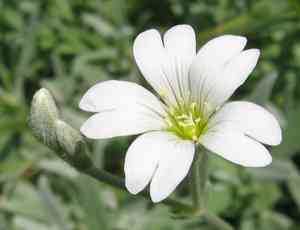
Snow-in-summer (Cerastium tomentosum)
Also known as: Jerusalem star, Wooly mouse-ear chickweed
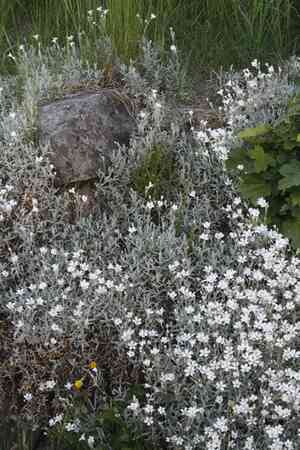
Snow-in-summer (Cerastium tomentosum) is a delightful and straightforward ground cover option for your yard. Its silver-gray leaves create a striking backdrop for the profusion of white flowers, giving the impression of snow-covered mounds. This hardy plant is not only visually appealing but also offers practical benefits: it is highly drought-tolerant and deer-resistant. Ideal for borders, rock gardens, and slopes, snow-in-summer requires minimal maintenance and effectively prevents soil erosion while suppressing weeds. Additionally, it attracts pollinators, contributing to the health of your local ecosystem.
In This Article
Attributes of Snow-in-summer
Lifespan
Perennial, Annual, Biennial
Plant Type
Herb
Plant Height
15 cm to 45 cm
Spread
15 cm to 60 cm
Leaf Color
Green Silver Gray White
Flower Size
1.5 cm to 2.5 cm
Flower Color
White
Images of Snow-in-summer
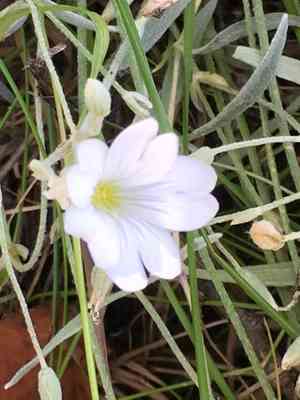
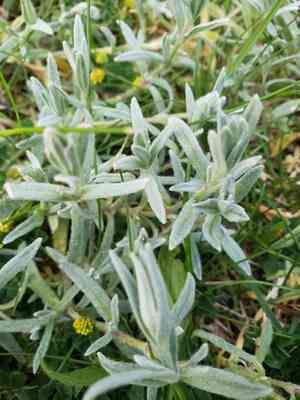
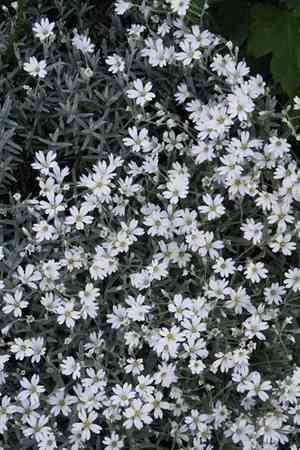
Quickly Identify Snow-in-summer
1
Low-growing perennial herb, reaching 6 inches (15 cm) tall.
2
Narrow, woolly white foliage with silvery tones.
3
Cluster of star-shaped white flowers, 8-12 inches (20-30 cm) tall.
4
Fruits are cylindrical capsules, adapted for seed dispersal.
5
Stems are wiry, branching, with tomentose hairs, forming a mat-like ground cover.
Scientific Classification of Snow-in-summer
Phylum
Vascular plants
Class
Dicotyledons
Order
Caryophyllales
Family
Pink
Genus
Mouse-ear chickweed
Species
Snow-in-summer
Planting and Growing of Snow-in-summer
Care Difficulty
Easy
Watering Schedule
Every 2 days
Sunlight Requirements
Full sun
Sunshine Duration
6-10 hours
Ideal Temperature
55-70℉
Soil Type
Potting Mix, Peat Mix
Soil pH
6.5-7.5
Fertilizer Type
Balanced
Pruning Season
Spring, Summer
Pruning Area
Branches, Leaves
Pruning Frequency
2 times a year
Repotting Season
Spring
Pot Type
Terracotta, Plastic
 How to Water Snow-in-summer?
Cerastium tomentosum should be watered deeply but sparingly. Ensure the soil is soaked to a depth of about 2 inches, which typically requires around 250 ml of water. This helps mimic its natural environment and prevents root rot.
More About Watering Techniques→
What are the symptoms of an underwatered Snow-in-summer?
›
What should I do if my Snow-in-summer is not getting enough water?
›
What are the symptoms of an overwatered Snow-in-summer?
›
How to save an overwatered Snow-in-summer?
›
 What Are the Sunlight Requirements for Snow-in-summer?
Cerastium tomentosum flourishes with 6 to 8 hours of full sunlight. Such lighting maximizes photosynthetic efficiency, ensuring full, healthy growth and voluminous flowering while maintaining its silvery foliage in peak condition.
More About Sunlight Requirements Techniques→
What is the ideal light for Cerastium tomentosum?
›
How to achieve ideal lighting for Cerastium tomentosum?
›
What benefits does ideal lighting offer?
›
 What Is the Ideal Temperature Range for Snow-in-summer?
The ideal temperature range for Cerastium tomentosum is between 55°F and 70°F. Within this range, the plant is likely to thrive and display optimal growth and blooming patterns. These temperatures mimic the natural conditions found in its native environment, providing the right balance of warmth without stressing the plant.
 What Soil is Best for Snow-in-summer?
Cerastium tomentosum thrives in well-drained soil, which prevents root rot and fungal diseases by allowing excess water to escape quickly. This ensures the roots have access to necessary oxygen, promoting vigorous plant growth. A moderately fertile soil is ideal. This helps in supplying the plant with essential nutrients such as nitrogen, phosphorus, and potassium, key components that support lush foliage and vibrant blooming. This plant can tolerate a pH range between 6.5 and 7.5. Maintaining this range stabilizes nutrient availability and ensures optimal physiological functions, contributing to robust plant health.
More About Soil→
 How to Fertilize Snow-in-summer?
For Cerastium tomentosum, an appropriate fertilization strategy involves using a balanced, water-soluble fertilizer at a quarter of the recommended strength. This is due to the plant's moderate nutrient requirements and its adaptation to thrive in less fertile soil conditions.
More About Fertilizing Techniques→
 How to Prune Snow-in-summer?
Begin pruning your Cerastium tomentosum in early spring before new growth starts. Using clean, sharp shears, trim back any dead or damaged stems to preserve the plant's health. Regularly pruning spent blooms will promote continuous flowering throughout the season. Cerastium tomentosum can spread vigorously, so once flowering concludes, cut back the plant by up to one-third to control its size and shape. This will prevent it from overtaking surrounding plants and maintains a tidy garden appearance.
More About Pruning Techniques→
 How to Propagate Snow-in-summer plant?
1
To propagate by seeds, start by preparing a tray with fine seed compost. Sow the seeds on the surface and then lightly cover them with a thin layer of compost. Water gently to avoid disturbing the seeds.
2
Choose non-flowering shoots from a healthy parent plant for taking cuttings. Cut a length of about 4-6 inches, ensuring there are multiple leaves attached. Remove the lower leaves before planting in a well-draining medium.
3
To propagate by division, gently lift a mature plant with a garden fork, shaking off excess soil. Carefully separate the clump into smaller sections, ensuring each has a good root system intact, and replant at the same soil level.
 How to Repot Snow-in-summer plant?
1
You should consider repotting Cerastium tomentosum when you notice the plant becoming root-bound, evidenced by roots growing out of the pot's drainage holes. Additionally, if the soil seems compacted or water drainage is inhibited, these are strong indicators that it's time for a change. Another hint can be a noticeable slowdown in growth, indicating that the plant needs more space or nutrients.
2
Select a pot that is only slightly larger than the current one, allowing room for growth but not too much to retain excessive moisture. Materials like terra-cotta are excellent choices as they are breathable, aiding soil aeration and keeping moisture levels balanced. Ensure the pot has adequate drainage holes to prevent waterlogging, which can lead to root rot.
3
Opt for a well-drained sandy loam soil, which provides good drainage and prevents the roots from becoming waterlogged, a critical factor for Cerastium tomentosum. Such soil should be rich in essential nutrients but light enough not to compact, allowing roots to breathe and flourish. Adding a small amount of organic matter enhances soil health and provides long-term nutrient release.



