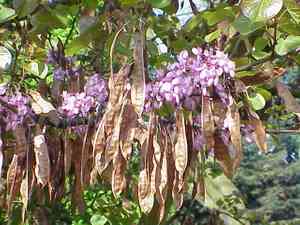
Judas tree (Cercis siliquastrum)
Also known as: Lovetree
The Judas tree (Cercis siliquastrum) is a small deciduous tree native to regions of Southern Europe and Western Asia. It thrives in deep, well-drained soils with full sun or partial shade. This tree attracts bee pollinators and is a protected species in Israel.
In This Article
Attributes of Judas tree
Lifespan
Perennial
Plant Type
Tree
Plant Height
4.5 m to 12 m
Spread
10 m
Leaf Color
Green Yellow Bronze
Flower Size
2.5 cm
Flower Color
Pink White Purple
Images of Judas tree
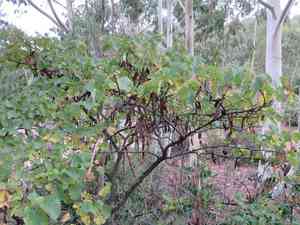
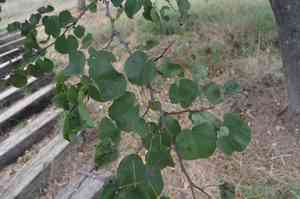
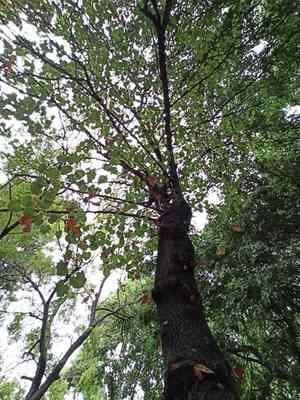
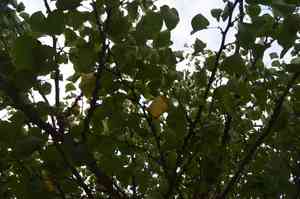
Quickly Identify Judas tree
1
Slender trunk reaching 15-25 feet (4.6-7.6 meters) in height and width.
2
Heart-shaped leaves starting bronzy-red, maturing to dark green, then yellow-bronze.
3
Clusters of magenta flowers, 3-5 inches (7.6-12.7 cm) in diameter, on older stems.
4
Distinctive 4-inch (10 cm) long leguminous seedpods with vibrant purple hue in late summer.
5
Dark grey bark with deep furrows and ridges, creating a textured appearance.
Scientific Classification of Judas tree
Phylum
Vascular plants
Class
Dicotyledons
Order
Fabales
Family
Legume
Genus
Redbuds
Species
Judas tree
Planting and Growing of Judas tree
Care Difficulty
Easy
Watering Schedule
Every 2 days
Sunlight Requirements
Full sun
Sunshine Duration
6-12 hours
Ideal Temperature
68-77℉
Soil Type
Potting Mix, Peat Mix
Soil pH
6.5-7.5
Fertilizer Type
Balanced
Pruning Season
Spring, Summer
Pruning Area
Branches, Leaves
Pruning Frequency
2 times a year
Repotting Season
Spring
Pot Type
Plastic, Ceramic
 How to Water Judas tree?
The Judas tree (Cercis siliquastrum) thrives when its soil is kept consistently moist but never waterlogged. To achieve optimal hydration, aim for about 1000 ml of water per session. Make sure that the water penetrates deep into the soil to reach the roots, but allow excess water to drain away completely to prevent any standing water around the roots.
More About Watering Techniques→
What are the symptoms of an underwatered Judas tree?
›
What should I do if my Judas tree is not getting enough water?
›
What are the symptoms of an overwatered Judas tree?
›
How to save an overwatered Judas tree?
›
 What Are the Sunlight Requirements for Judas tree?
Cercis siliquastrum requires full to partial sun. Ideal light boosts growth, blooms, and enhances disease resistance, supporting overall plant vitality and ornamental appeal.
More About Sunlight Requirements Techniques→
What is the ideal lighting for Cercis siliquastrum?
›
How to ensure optimal lighting?
›
Benefits of ideal light exposure?
›
 What Is the Ideal Temperature Range for Judas tree?
Cercis siliquastrum thrives best in a temperature range from 68 to 77°F. This range ensures optimal growth and flowering as it imitates the natural temperate climates where the plant is typically found. Maintaining this temperature helps in sustaining the plant’s physiological processes efficiently.
 What Soil is Best for Judas tree?
Cercis siliquastrum prefers well-drained soil to prevent root rot and promote healthy growth. Ensuring good drainage allows the plant to thrive without the stress of excess moisture, providing better access to nutrients. This plant benefits from nutrient-rich soil, which facilitates better flowering and overall vitality. Supplementing soil with organic matter enhances its fertility, supporting robust growth and beautiful blooms. Maintaining a soil pH between 6.5 and 7.5 is ideal for Cercis siliquastrum, as it ensures nutrient availability and prevents nutrient lockup, fostering a healthier plant environment.
More About Soil→
 How to Fertilize Judas tree?
For Cercis siliquastrum, a moderate amount of fertilizer is recommended. This tree generally requires 0.5 pounds of nitrogen per year during its active growing season. Ensuring the correct fertilizer amount supports vigorous growth and blossom production without harming the plant.
More About Fertilizing Techniques→
 How to Prune Judas tree?
Ensure you have sharp and clean pruning shears. This will help you make precise cuts without damaging the plant, preventing infection and ensuring the wound heals faster. Begin by removing dead, damaged, or diseased branches. Cut them back to the healthy wood or main stem to encourage vigorous growth in the plant. Focus on shaping the tree by cutting back overgrown branches. Aim for a balanced structure that allows sunlight to penetrate and air to circulate freely. This not only keeps the tree aesthetically pleasing but also healthy.
More About Pruning Techniques→
 How to Propagate Judas tree plant?
1
Harvest seeds in late summer when pods mature. Dry and remove seeds from the pods. Store seeds in a cool, dry place until you're ready to plant them in early spring.
2
Select healthy branches and cut them into segments during early spring. Dip the cut ends in a rooting hormone to aid in root development before planting in a moist growing medium.
3
In early spring or late winter, perform whip grafting for better growth. Choose compatible rootstock and scion, ensuring both are of similar diameter for successful graft union.
 How to Repot Judas tree plant?
1
The ideal time to repot Cercis siliquastrum is when you notice roots emerging from the drainage holes or the plant appears root-bound, making spring and autumn perfect due to their moderate temperatures. These seasons provide a stress-free transition.
2
Select a pot that is only slightly larger than the current one. This prevents excessive root spread, minimizing transplant shock and promoting healthier root development. Ensure it has adequate drainage holes to avoid waterlogging.
3
Opt for well-draining loamy soil, which retains enough moisture without causing waterlogging. This soil type balances air and water retention, providing the ideal environment for root growth and nutrient absorption.



