Lawson's cypress(Chamaecyparis lawsoniana)

Lawson's cypress (Chamaecyparis lawsoniana)

Also known as: Port Orford cedar, Lawson false cypress

The Western Red Cedar (*Thuja plicata*) is an evergreen tree that can reach heights of up to 61 meters and widths of 1.2 to 2 meters. Known for its longevity, this tree can live for several centuries. Its cedar wood is highly prized in North America. Female seed cones, which appear in spring, mature to a brown hue, while the smaller male cones are red.

Attributes of Lawson's cypress

Lifespan
Perennial
Plant Type
Tree
Plant Height
15 m to 60 m
Spread
9 m to 18 m
Leaf Color
Green Blue Yellow
Flower Size
3 mm to 4 mm
Flower Color
Green Yellow Purple Red Black Violet

PlantJoy - Identify plants with a snap

Identify and diagnose plants, get toxicity alerts, and explore safety guides for all types of fungi.

Try for Free

Images of Lawson's cypress

Lawson's cypress(Chamaecyparis lawsoniana)

Quickly Identify Lawson's cypress

1
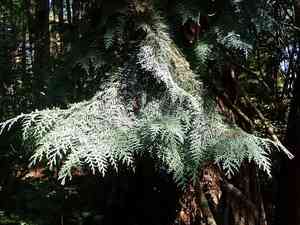
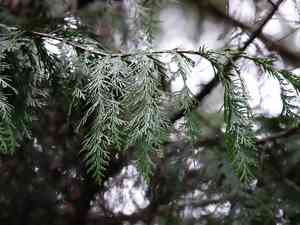
Needles droop at tips, dense textured spray
2
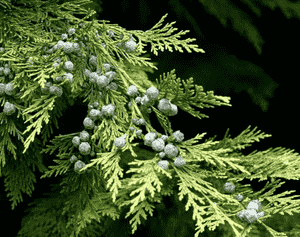
Female cones spherical, blue-green to brown
3
Leaves scale-like, bluish-green, X pattern stomatal bands
4
Twigs slender, symmetrical branching, flexible
5
Trunk reddish-brown bark, broad ridges, fibrous texture

Scientific Classification of Lawson's cypress

Phylum
Vascular plants
Class
Conifers
Order
Pines and allies
Family
Cypress
Genus
Cypresses
Species
Lawson's cypress

Planting and Growing of Lawson's cypress

Care Difficulty
Easy
Watering Schedule
Every 4 days
Sunlight Requirements
Full sun
Sunshine Duration
6-10 hours
Ideal Temperature
50-60℉
Soil Type
Potting Mix, Peat Mix
Soil pH
6.5-7.5
Fertilizer Type
Balanced
Pruning Season
Spring, Summer
Pruning Area
Branches, Leaves
Pruning Frequency
2 times a year
Repotting Season
Spring
Pot Type
Plastic, Ceramic

water icon How to Water Lawson's cypress?

When watering Chamaecyparis lawsoniana, aim to moisten the top 2 to 3 inches of soil without over-saturating it. Ensure water seeps through the pot's drainage holes. Let the soil dry out slightly between waterings for optimal health.
What are the symptoms of an underwatered Lawson's cypress?
What should I do if my Lawson's cypress is not getting enough water?
What are the symptoms of an overwatered Lawson's cypress?
How to save an overwatered Lawson's cypress?

temperature icon What Is the Ideal Temperature Range for Lawson's cypress?

Ideal Temperature: 50 ~ 60℉
Chamaecyparis lawsoniana, commonly known as Lawson Cypress, ideally grows in temperatures ranging from 50°F to 60°F. This range provides the perfect conditions for photosynthesis and metabolic processes. It ensures that the plant has a balanced environment, neither too cold to cause frost damage nor too warm to accelerate transpiration excessively.

soil icon What Soil is Best for Lawson's cypress?

Soil type: Sandy loam, Loam
Soil PH: 6.5 ~ 7.5
Chamaecyparis lawsoniana thrives in well-drained soils. The roots need oxygen and standing water can lead to root rot, compromising the plant’s health. Ensure drainage by using soil with a mix that allows excess water to flow freely. This plant prefers soil with moderate fertility, meaning it doesn’t need excessive enrichment but neither should it lack essential nutrients. Balanced nutrient availability supports stable growth and vibrant foliage. Adequate moisture levels are crucial for this plant. Keeping the soil consistently damp rather than soggy prevents stress. Proper watering techniques ensure the plant remains healthy and reduces the risk of drought stress.

fertilize icon How to Fertilize Lawson's cypress?

Fertilizer type: Balanced
For Chamaecyparis lawsoniana, apply liquid fertilizer at a concentration of half the recommended strength to prevent over-fertilization. Use about 1 tablespoon per gallon of water for young trees, and 2 tablespoons for mature ones. Apply evenly across the root zone, but avoid contact with foliage.

prune icon How to Prune Lawson's cypress?

Pruning Time: Spring, Summer, Autumn, Winter
Begin by using clean, sharp pruning shears to remove any dead, diseased, or damaged branches. Trim these branches back to a healthy part of the plant or the base without cutting into the main stem. This helps improve the overall appearance and health of the plant. To maintain the desired shape of your Chamaecyparis lawsoniana, trim back any overly vigorous branches just above a set of healthy buds. This encourages new growth while keeping the ornamental shape intact, allowing the tree to enhance the landscape design. If you need to control the size of the plant, focus on selectively thinning the interior growth to reduce overall volume. This allows light and air to penetrate the plant, promoting a healthier growth environment while preventing the tree from outgrowing its designated space.

propagate icon How to Propagate Lawson's cypress plant?

Propagate Time: Spring,Late spring,Early spring
1
Use a well-draining potting mix with a balance of peat moss, perlite, and sand. Ensure the soil is moist but not waterlogged to provide optimum conditions for rooting.
2
Select healthy, semi-hardwood cuttings about 4-6 inches long from a mature Lawson Cypress. Remove lower leaves and dip the cut end in rooting hormone to promote root development.
3
Soak seeds in water for 24 hours to enhance germination rates. Surface sow them in seed trays, lightly covering with vermiculite and keeping them in a warm, shaded area until germination.

repot icon How to Repot Lawson's cypress plant?

Repotting frequency: Every 2-3 years
1
Chamaecyparis lawsoniana, or Lawson's Cypress, should be repotted when you notice the roots circling the container or emerging from the drainage holes. The ideal time to repot is during the growing seasons, spring and autumn, when the plant's energy is directed toward root development. Look for signs like reduced growth, frequent wilting, or quickly drying soil as indicators that it's time for a new pot.
2
When selecting a pot for your Chamaecyparis lawsoniana, opt for one that is 2 inches larger in diameter than the current container and has excellent drainage holes. Preferably, choose a terracotta or ceramic pot as these materials help in regulating soil moisture by allowing excess moisture to evaporate. Good drainage is crucial to prevent root rot, which the Lawson's Cypress is particularly susceptible to if the roots remain too wet.
3
For this species, it's essential to use a well-draining conifer mix, which typically includes components like pine bark, perlite, and a bit of sand. This mixture mimics the natural forest floor where the Cypress might grow, providing a balance of moisture retention and aeration, hence preventing waterlogged conditions and supporting healthy root development.

PlantJoy - Identify plants with a snap

Find the best spots for them to optimize their health, simply using your phone.

Try for Free

Toxicity of Lawson's cypress

Is Lawson's cypress toxic to humans?

Lawson's cypress is entirely unfit for human consumption, and typically, individuals do not attempt to ingest it. Nevertheless, the leaves can cause skin irritation in sensitive individuals, resulting in a rash. Ingesting the foliage can similarly irritate the mouth, throat, and digestive system. It is important to keep young children away from this tree. When pruning or handling the foliage, be sure to wear gloves and protective attire.

Identify toxic plants for your safety

Learn which plants are harmful to you and your pets, and make informed choices for a safer home!

Try for Free
WARNING
The judgment on toxicity and danger is for reference only. We DO NOT GUARANTEE any accuracy of such judgment. Therefore, you SHALL NOT rely on such judgment. It is IMPORTANT TO SEEK PROFESSIONAL ADVICE in advance when necessary.