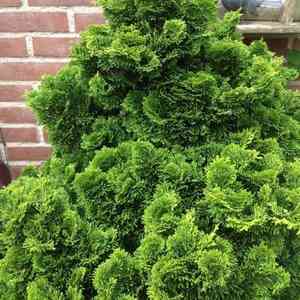
Hinoki cypress (Chamaecyparis obtusa)
Also known as: Hinoki falsecypress, Tree of the sun, Hinoki
The Japanese cedar (Cryptomeria japonica) is an indigenous tree of Japan, recognized for its slow growth and ornamental appeal. Typically, it can attain a height of about 35 meters and a trunk diameter of around 1 meter. Its dense, lush foliage makes it an excellent choice for use as a hedge or privacy screen.
In This Article
Attributes of Hinoki cypress
Lifespan
Perennial
Plant Type
Tree
Plant Height
40 m
Spread
1.5 m
Leaf Color
Green Yellow
Flower Size
3 mm
Flower Color
Yellow Blue Brown Orange Gold Purple Violet
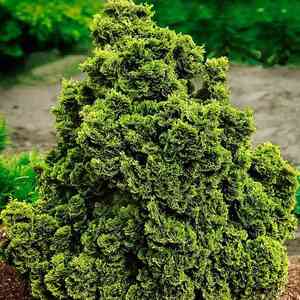
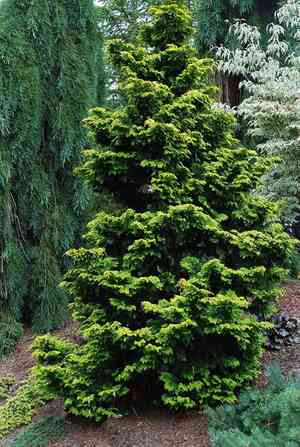
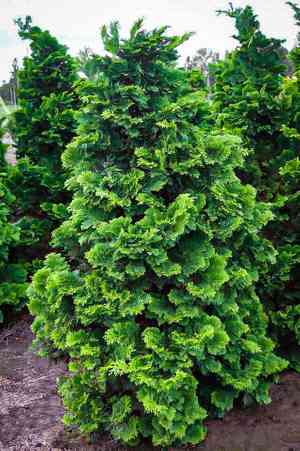
Images of Hinoki cypress
Quickly Identify Hinoki cypress
1
Large evergreen tree with pyramidal silhouette and spreading, horizontal branches.
2
Scale-like leaves exhibit bluish-green coloration with 'X' or 'Y' shape markings.
3
Fruit consists of small, spherical orange-brown cones with 8-10 brown scales.
4
Distinctive green scale-like leaves with whitish x-like markings on the underside.
5
Rich reddish-brown bark that peels, revealing textured layers with fibrous surface.
Scientific Classification of Hinoki cypress
Phylum
Vascular plants
Class
Conifers
Order
Pines and allies
Family
Cypress
Genus
Cypresses
Species
Hinoki cypress
Planting and Growing of Hinoki cypress
Care Difficulty
Easy
Watering Schedule
Every 3 days
Sunlight Requirements
Full sun
Sunshine Duration
6-8 hours
Ideal Temperature
50-86℉
Soil Type
Potting Mix, Peat Mix
Soil pH
5.5-7
Fertilizer Type
Balanced
Pruning Season
Spring, Summer
Pruning Area
Branches, Leaves
Pruning Frequency
2 times a year
Repotting Season
Spring
Pot Type
Plastic, Terracotta
 How to Water Hinoki cypress?
For Chamaecyparis obtusa, it's important to ensure the soil is sufficiently moist but not waterlogged. You should aim to provide around 500 ml of water each time, checking that the water has soaked deep into the soil, allowing the roots to access it comfortably.
More About Watering Techniques→
What are the symptoms of an underwatered Hinoki cypress?
›
What should I do if my Hinoki cypress is not getting enough water?
›
What are the symptoms of an overwatered Hinoki cypress?
›
How to save an overwatered Hinoki cypress?
›
 What Are the Sunlight Requirements for Hinoki cypress?
Chamaecyparis obtusa thrives in partial to full sunlight conditions, ensuring robust health and vibrant foliage. Balancing light exposure optimizes photosynthesis and maintains lush greenery.
More About Sunlight Requirements Techniques→
What is the perfect setting for Chamaecyparis obtusa?
›
How can I ensure these conditions are met?
›
Why is this balance of sunlight important?
›
 What Is the Ideal Temperature Range for Hinoki cypress?
The ideal temperature range for Chamaecyparis obtusa cultivation is between 50°F and 86°F. This range supports optimal growth and photosynthesis, ensuring the plant develops healthily. Temperatures within this range promote robust foliage and help maintain the plant’s typical lush green appearance. It’s important to maintain these conditions, especially during critical growth periods like spring and early summer.
 What Soil is Best for Hinoki cypress?
Chamaecyparis obtusa thrives best in well-drained soils which help prevent root rot by aiding water percolation. This ensures the roots remain healthy by not sitting in overly moist conditions, thereby promoting robust growth. This species benefits from soil that can retain moisture, such as loamy soil, to ensure the plant gets adequate hydration during dry spells. This balance helps sustain the plant's lush, green foliage even in less-than-ideal weather conditions. Rich, fertile soils are ideal for the optimal growth of Chamaecyparis obtusa. Such soils provide essential nutrients that support healthy cellular processes and overall vigorous plant development, enhancing disease resistance.
More About Soil→
 How to Fertilize Hinoki cypress?
For Chamaecyparis obtusa, it's critical to use just the right amount of fertilizer to promote healthy growth. Typically, using about half the recommended dosage on the fertilizer package is sufficient. You should always aim for a balanced formula with equal parts nitrogen, phosphorus, and potassium, such as a 10-10-10 mix. Ensure you dilute liquid fertilizers to half-strength and avoid fertilizing during dormancy in winter.
 How to Prune Hinoki cypress?
Begin your pruning session by removing any dead, diseased, or damaged branches. This will help maintain plant health and prevent the spread of diseases. Make clean cuts at the base of the branch, ensuring not to leave stubs. After clearing away unhealthy branches, focus on shaping the plant by trimming back overgrown areas. Follow the plant's natural shape and only remove small amounts to maintain its silhouette and encourage healthy growth and air circulation. After pruning, water the Chamaecyparis obtusa thoroughly and consider applying a balanced fertilizer to support recovery and growth. Monitor the plant over the following weeks to ensure it is responding well to the pruning.
More About Pruning Techniques→
 How to Propagate Hinoki cypress plant?
1
Begin by gathering mature seeds and cleaning them. Fill seed trays with a well-draining potting mix and sow the seeds at a shallow depth. Keep the trays in a warm, bright location and mist regularly until germination occurs.
2
Select healthy branches and cut 4-6 inch sections with clean, sharp shears. Remove the lower leaves and dip the cut end in rooting hormone. Plant the cuttings in a pot with a moist, well-draining mix.
3
For grafting, choose compatible rootstock and scion wood. Perform the grafting operation in early spring. Secure the graft union with grafting tape and maintain adequate humidity until the union is established.
 How to Repot Hinoki cypress plant?
1
Repot when Chamaecyparis obtusa becomes root-bound or growth slows noticeably. Spring and autumn are ideal as they're the periods of active root growth, minimizing stress from disturbance. Ensure the plant isn't in active stress during summer heat or winter dormancy.
2
Choose a pot that's 1-2 inches larger in diameter than the current one. It should have drainage holes to prevent waterlogging. A slightly larger pot allows room for root growth while preventing excess soil that retains moisture, reducing root rot risks.
3
Opt for a well-draining, acidic soil mix with components like peat moss and perlite. This ensures the roots receive sufficient aeration and nutrients while replicating the plant’s natural forest floor habitat, promoting healthy and robust growth.



