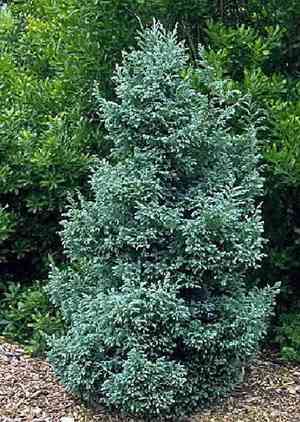
Sawara cypress(Chamaecyparis pisifera)

Sawara cypress (Chamaecyparis pisifera)

Also known as: Pea-fruited cypress, Sawara false cypress

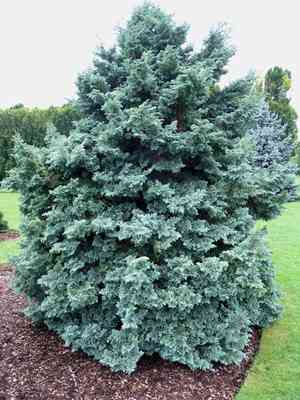
Sawara cypress (Chamaecyparis pisifera) is a hardy ornamental evergreen, popular in landscaping, particularly in rock gardens and as bonsai specimens due to its numerous dwarf varieties. The wood of Sawara cypress is known for its strength and longevity, making it suitable for a variety of applications, including:

1. **Construction**: Valued for building traditional structures such as shrines and temples.
2. **Furniture Making**: Used to create durable and aesthetically pleasing furniture pieces.
3. **Crafts**: Ideal for making decorative items and cabinetry.
4. **Containers**: Employed in the production of boxes, barrels, and casks.
5. **Musical Instruments**: Selected for its acoustic properties in crafting instruments.

Its resistance to decay and insects further enhances its versatility and value in multiple uses.

Attributes of Sawara cypress

Lifespan
Perennial
Plant Type
Tree
Plant Height
12 m to 21 m
Spread
4.5 m to 6 m
Leaf Color
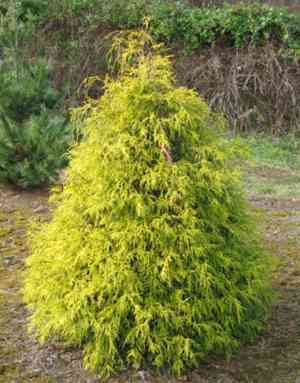
Green Blue Yellow Gold Silver
Flower Size
6 mm to 7 mm
Flower Color
Brown

PlantJoy - Identify plants with a snap

Identify and diagnose plants, get toxicity alerts, and explore safety guides for all types of fungi.

Try for Free

Images of Sawara cypress

Sawara cypress(Chamaecyparis pisifera)

Quickly Identify Sawara cypress

1
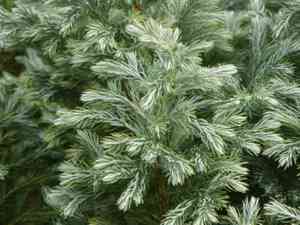
Feathery, bright green to blue-green needles arranged in sprays.
2
Small, spherical cones measuring 0.2 to 0.4 inches (4-10 mm) in diameter.
3
Reddish, small pollen-bearing cones about 0.2 inches (5 mm) in diameter.
4
Globular female seed-bearing cones progressing from vivid green to rich brown.
5
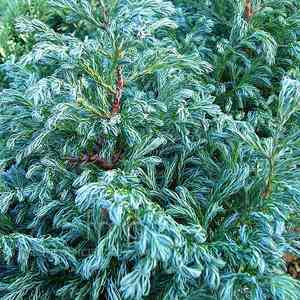
Distinctive bright green leaves with silvery lines, measuring 0.1 to 0.2 inches (2.5 to 5 mm) long.

Scientific Classification of Sawara cypress

Phylum
Vascular plants
Class
Conifers
Order
Pines and allies
Family
Cypress
Genus
Cypresses
Species
Sawara cypress

Planting and Growing of Sawara cypress

Care Difficulty
Easy
Watering Schedule
Every 4 days
Sunlight Requirements
Full sun
Sunshine Duration
6-10 hours
Ideal Temperature
60-75℉
Soil Type
Potting Mix, Peat Mix
Soil pH
5-7
Fertilizer Type
Balanced
Pruning Season
Spring, Summer
Pruning Area
Branches, Leaves
Pruning Frequency
2 times a year
Repotting Season
Spring
Pot Type
Plastic, Ceramic

water icon How to Water Sawara cypress?

For Chamaecyparis pisifera, watering should be thorough yet cautious. Aim to provide around 500 ml of water per session, ensuring the soil remains evenly moist but never waterlogged. Check the top inch of soil; if it's dry, it's time to water.
What are the symptoms of an underwatered Sawara cypress?
What should I do if my Sawara cypress is not getting enough water?
What are the symptoms of an overwatered Sawara cypress?
How to save an overwatered Sawara cypress?

sunlight icon What Are the Sunlight Requirements for Sawara cypress?

Sunlight Requirements: Full sun, Partial sun
Duration of light: 4-6 hours of light
Chamaecyparis pisifera prefers full sun to partial sun, achieving best results with 4-6 hours daily. Appropriate lighting ensures robust foliage, enhances vigor, and provides resilience to environmental stresses and pest invasions.
What is the optimal light level?
What solutions ensure adequate lighting?
What are the benefits of ideal lighting?

temperature icon What Is the Ideal Temperature Range for Sawara cypress?

Ideal Temperature: 60 ~ 75℉
For optimal growth, Chamaecyparis pisifera thrives best in temperatures ranging from 60°F to 75°F. This range allows the plant to maintain its vibrant color and healthy foliage. Growth tends to slow down outside this range, impacting overall vigor.

soil icon What Soil is Best for Sawara cypress?

Soil type: Loam, Sandy loam, Acidic soil
Soil PH: 5 ~ 7
Chamaecyparis pisifera thrives in well-drained soil that prevents waterlogging, which can lead to root rot. Ensuring effective drainage promotes healthy root growth and robust plant development. While it's critical for the soil to drain well, it should also retain some moisture. This balance ensures the plant receives adequate hydration, supporting lush foliage and preventing stress during dry spells. A nutrient-rich soil enhances the growth of Chamaecyparis pisifera, providing essential minerals and organic matter that fuel foliage lushness and healthy growth patterns.

fertilize icon How to Fertilize Sawara cypress?

Fertilizer type: Balanced
Chamaecyparis pisifera requires a careful balance of nutrients. Apply a 10-10-10 liquid fertilizer at half strength to prevent nutrient burn. Use around 1-2 teaspoons per gallon of water for young plants, and up to 3 teaspoons for mature shrubs.

prune icon How to Prune Sawara cypress?

Pruning Time: Spring, Summer
Begin by using sharp, sterilized pruning shears to snip away dead or diseased branches close to their base. Focus on removing branches that cross or rub against each other, as this can cause wounds that invite disease. Trim the tree to maintain its natural shape, being careful not to cut too deeply into the woody parts, as this could stunt new growth. Aim to thin out about one-third of the older branches annually to promote vigorous growth. When shaping Chamaecyparis pisifera, visualize its natural pyramidal form and trim accordingly. Cut just above a healthy bud to direct new growth outward, promoting a fuller appearance. If your intent is to form a hedge, prune the sides slightly inward to encourage a dense, conical shape. This minimizes snow damage in winter and allows light to penetrate an even layer of foliage.

propagate icon How to Propagate Sawara cypress plant?

Propagate Time: Spring, Late spring, Early spring
1
Choose healthy, non-flowering stems about 5-10 cm long for cuttings. Ensure the stems are disease-free and have no signs of damage or pests.
2
Remove the lower leaves from the cuttings and dip the cut ends in rooting hormone powder. This will help in quicker and healthier root establishment.
3
Insert the hormone-treated cuttings into a well-draining soil mix. Use a pot with drainage holes and firm the soil around the base of the cuttings.

repot icon How to Repot Sawara cypress plant?

Repotting frequency: Every 2-3 years
1
This plant signals its need for repotting when growth appears stunted, roots crowd or escape the pot drain holes, or soil dries out too quickly. Ensure a stable environment by choosing either spring or summer, when the plant actively grows, to give it the best chance to acclimate.
2
Select a pot one size up from the existing one, ensuring it has ample drainage holes at the bottom. A slightly larger pot promotes healthy root growth without overwhelming the plant with excess soil which can retain moisture and lead to root rot.
3
Opt for well-draining, acidic soil to mimic its natural habitat. This encourages healthy root development and prevents waterlogging, which is detrimental to Chamaecyparis pisifera. A right blend of organic matter and sand or perlite is ideal.

PlantJoy - Identify plants with a snap

Find the best spots for them to optimize their health, simply using your phone.

Try for Free