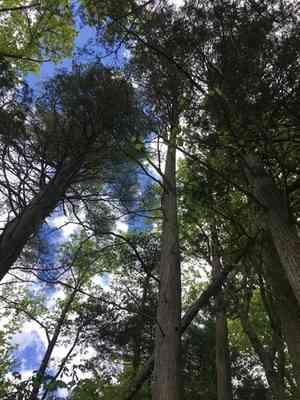
Atlantic white cedar (Chamaecyparis thyoides)
Also known as: Whitecedar, Atlantic white cypress
The Atlantic White Cedar, a coniferous evergreen tree, is predominantly found in the eastern United States. It thrives in wetlands and is frequently cultivated for ornamental use. In southern states, it is occasionally chosen as a Christmas tree.
In This Article
Attributes of Atlantic white cedar
Lifespan
Perennial
Plant Type
Tree
Plant Height
18 m to 24 m
Spread
9 m to 12 m
Leaf Color
Green Blue White Purple Brown
Flower Size
2.5 cm
Flower Color
Green Yellow Red Blue Burgundy Gold
Images of Atlantic white cedar
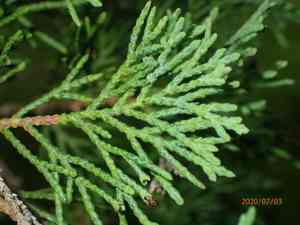
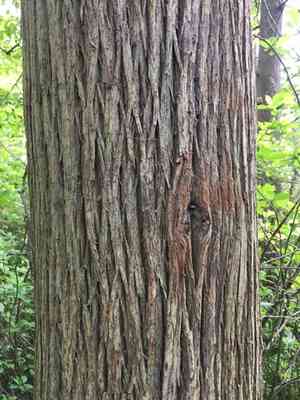
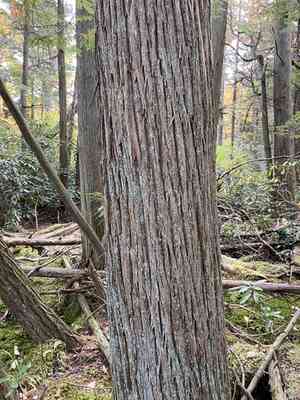
Quickly Identify Atlantic white cedar
1
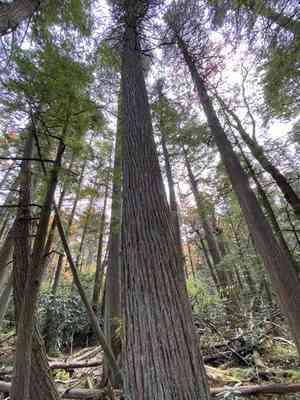
Needles with featherlike appearance on a conical tree (60-80 feet, 18-24 meters).
2
Purple to brown seed-bearing cones measuring 1/4 inch (6 mm) in diameter.
3
Scale-like adult leaves with resinous glands, overlapping in irregular sprays.
4
Light reddish-brown bark with fibrous texture, forming intersecting ridges.
5
Distinctive stem with fan-shaped sprays and terete or rhombic cross-section.
Scientific Classification of Atlantic white cedar
Phylum
Vascular plants
Class
Conifers
Order
Pinales
Family
Cypress
Genus
Cypresses
Species
Atlantic white cedar
Planting and Growing of Atlantic white cedar
Care Difficulty
Easy
Watering Schedule
Every 4 days
Sunlight Requirements
Full sun
Sunshine Duration
4-6 hours
Ideal Temperature
60-75℉
Soil Type
Potting Mix, Peat Mix
Soil pH
4.5-6
Fertilizer Type
Balanced
Pruning Season
Spring, Summer
Pruning Area
Branches, Leaves
Pruning Frequency
2 times a year
Repotting Season
Spring
Pot Type
Plastic, Ceramic
 How to Water Atlantic white cedar?
Chamaecyparis thyoides prefers moderate watering. The soil should be moist but not waterlogged. Water thoroughly until the soil appears consistently damp throughout, without pooling at the surface. It's best to apply around 500 ml of water at each session.
What are the symptoms of an underwatered Atlantic white cedar?
›
What should I do if my Atlantic white cedar is not getting enough water?
›
What are the symptoms of an overwatered Atlantic white cedar?
›
How to save an overwatered Atlantic white cedar?
›
 What Are the Sunlight Requirements for Atlantic white cedar?
Chamaecyparis thyoides does best with partial to full sun. This ideal range ensures its physiological activities progress optimally, enhancing both structural growth and aesthetic appeal.
More About Sunlight Requirements Techniques→
How much sunlight does it need daily?
›
What are solutions for adequate lighting?
›
What are the benefits of ideal sunlight?
›
 What Is the Ideal Temperature Range for Atlantic white cedar?
Chamaecyparis thyoides thrives best in temperatures ranging from 60°F to 75°F. This range provides an optimal environment that supports healthy growth and development. Maintaining temperatures within this range minimizes stress and encourages vigor.
 What Soil is Best for Atlantic white cedar?
Chamaecyparis thyoides thrives in soils that are capable of retaining moisture. The presence of peat or loam in the soil ensures that the plant receives enough water while preventing waterlogging. This balance is essential for the plant as it prefers consistently moist environments. Having a nutrient-rich soil ensures that Chamaecyparis thyoides has access to essential minerals and elements necessary for its growth. Loams mixed with organic matter provide a fertile environment that helps in the robust development of roots and foliage. While moisture is crucial, ensuring good drainage is equally important to prevent root rot. Sandy loam and sandy soils provide the perfect structure to support this conifer by allowing excess water to escape while maintaining moisture at a manageable level around the roots.
 How to Fertilize Atlantic white cedar?
Chamaecyparis thyoides, commonly known as Atlantic white cedar, benefits from balanced fertilization. Use a balanced 10-10-10 NPK fertilizer. For liquid fertilizers, apply at a diluted concentration of half the recommended rate on the package. For slow-release fertilizers, adhere closely to the recommended application rates, which should be outlined on the packaging.
 How to Prune Atlantic white cedar?
Begin by identifying any dead, diseased, or damaged branches and cutting them back to healthy wood. This not only improves the plant's appearance but also prevents the spread of diseases. Gradually shape the plant by making small cuts to encourage a natural form. Always cut at a slight angle just above a bud; this promotes new growth in the desired direction. Improve air circulation by thinning out dense areas in the foliage. This helps to prevent fungal diseases by allowing more light and air to penetrate through the branches.
More About Pruning Techniques→
 How to Propagate Atlantic white cedar plant?
1
Collect seeds from mature Chamaecyparis thyoides cones in the autumn. Ensure the cones have opened and released the seeds naturally for optimal germination rates.
2
Prepare a seed mix using equal parts of peat moss and perlite to provide a well-draining substrate. This mix helps in maintaining the right moisture levels for seed germination.
3
Sow the seeds evenly in the seed tray, cover with a thin layer of soil mix, and water lightly. Place the trays in a warm location with indirect light for optimal growth.
 How to Repot Atlantic white cedar plant?
1
Repot Chamaecyparis thyoides when you notice roots growing out of drainage holes or the plant becoming root-bound. Another sign is when growth seems stunted despite proper care. These indicators often reveal that it's time to offer your plant more space for its roots to expand and nutrients to thrive better.
2
Select a pot one size larger with ample drainage holes. This allows for better root aeration and prevents waterlogging, promoting healthier root development. Ensure the material of the pot retains adequate moisture yet allows for easy air circulation, providing an ideal environment for Chamaecyparis thyoides to flourish.
3
Opt for an acidic, well-draining soil mix rich in organic matter. This type of soil mimics the natural growing conditions, ensuring adequate nutrient uptake while preventing waterlogging. Such a soil environment supports healthy root growth and reduces the risk of fungal diseases, vital for your plant's overall well-being.



