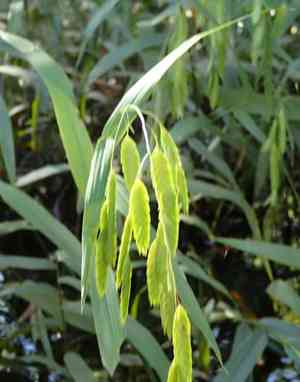
Northern sea oats (Chasmanthium latifolium)
Also known as: Indian woodoats, Wood oats, Broadleaf uniola, Upland oats
Chasmanthium latifolium, also known as Northern Sea Oats, is an ornamental grass that excels in shaded areas but can also thrive in full sunlight with adequate watering. It forms extensive colonies, providing excellent protection against riverbank erosion. Additionally, its seed stalks are highly valued for dried flower arrangements.
In This Article
Attributes of Northern sea oats
Lifespan
Perennial
Plant Type
Grass
Plant Height
1 m
Spread
30 cm to 45 cm
Leaf Color
Green Yellow
Flower Size
2.5 cm to 5 cm
Flower Color
Green Brown Pink Purple Black
Images of Northern sea oats
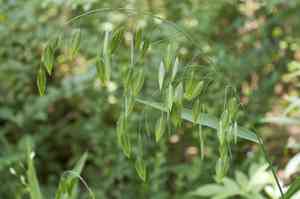
Quickly Identify Northern sea oats
1
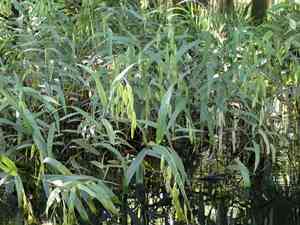
2-foot (60 cm) tall blue-green leaves transition to yellow-green in summer.
2
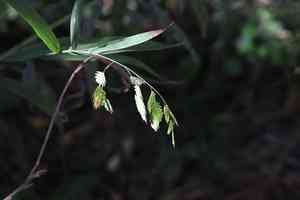
3-foot (90 cm) arching flowering stems with oat-like spikelets.
3
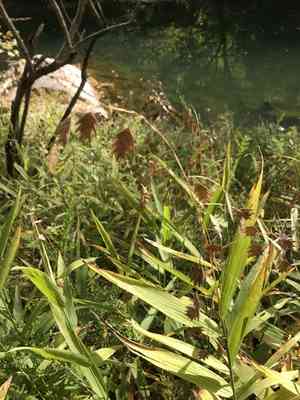
Fruits transition from green to purplish-bronze, resembling ornamental spikelets.
4
Smooth, green stems reach 2-3 feet (60-90 cm) with minor branching.
5
Flat, 5-9 inch (12.7-22.9 cm) leaves with parallel veins turn yellow-coppery in fall.
Scientific Classification of Northern sea oats
Phylum
Vascular plants
Class
Monocotyledons
Order
Poales
Family
Grass
Genus
woodoats
Species
Northern sea oats
Planting and Growing of Northern sea oats
Care Difficulty
Easy
Watering Schedule
Every 4 days
Sunlight Requirements
Partial sun
Sunshine Duration
6-10 hours
Ideal Temperature
60-75℉
Soil Type
Potting Mix, Peat Mix
Soil pH
6.5-7.5
Fertilizer Type
Balanced
Pruning Season
Spring, Summer
Pruning Area
Branches, Leaves
Pruning Frequency
2 times a year
Repotting Season
Spring
Pot Type
Plastic, Ceramic
 How to Water Northern sea oats?
Chasmanthium latifolium prefers to be watered deeply and then allowed to slightly dry between waterings. Water until the top 2-3 inches of soil feels moist to the touch. This plant enjoys consistent moisture without becoming waterlogged, aiming for about 250 ml per session.
What are the symptoms of an underwatered Northern sea oats?
›
What should I do if my Northern sea oats is not getting enough water?
›
What are the symptoms of an overwatered Northern sea oats?
›
How to save an overwatered Northern sea oats?
›
 What Are the Sunlight Requirements for Northern sea oats?
Chasmanthium latifolium thrives in partial to full sun. Ideal lighting promotes lush, healthy growth and strong photosynthesis, adding ornamental value to your garden with its vibrant leaves.
More About Sunlight Requirements Techniques→
What is the ideal lighting condition for Chasmanthium latifolium?
›
How can you achieve the ideal lighting conditions?
›
What benefits does ideal lighting bring to the plant?
›
 What Is the Ideal Temperature Range for Northern sea oats?
The ideal temperature range for Chasmanthium latifolium is between 60°F and 75°F. This range allows the plant to thrive, ensuring healthy growth and vibrant foliage. Consistent temperatures within this range support photosynthesis and nutrient uptake, which are crucial for plant health.
 What Soil is Best for Northern sea oats?
Chasmanthium latifolium thrives in well-drained soil, which prevents root rot by ensuring excess water drains away quickly. This property is vital for maintaining healthy roots and overall plant vigor. While the soil must drain well, it should also retain some moisture to keep the plant hydrated during dry spells. Appropriate moisture retention helps in sustaining the plant without causing waterlogging. A nutrient-rich soil provides essential minerals and nutrients that promote healthy growth and lush foliage. This prevents nutrient deficiency and supports robust development.
 How to Fertilize Northern sea oats?
For Chasmanthium latifolium, it is recommended to use a balanced fertilizer with an N-P-K ratio of 10-10-10. When using liquid fertilizer, apply 1 tablespoon per gallon of water. For slow-release fertilizer, use approximately 1 to 1.5 pounds per 100 square feet of planting area. This ensures the plant receives adequate nutrients without the risk of over-fertilization.
 How to Prune Northern sea oats?
To prune Chasmanthium latifolium, first, use sharp, clean pruning shears to remove dead or yellowing leaves at the base. Next, target the spent flowering stems, cutting them back to maintain the desired height and shape of the plant. Be careful to cut above healthy buds to promote new growth.
 How to Propagate Northern sea oats plant?
1
Collect mature seeds in autumn. Sow them in a seed tray filled with a mixture of soil and organic compost. Lightly cover the seeds, ensuring they are not buried too deep. Keep them in a warm environment to encourage germination.
2
Select a mature clump of Chasmanthium latifolium in early spring. Use pruning shears to divide the root ball into smaller sections, ensuring each section has healthy roots and shoots. Replant each division immediately into prepared soil.
3
After either sowing seeds or replanting divisions, water the area thoroughly. Maintain consistent moisture levels in the soil, but avoid waterlogging. Mulch around the base to retain moisture and suppress weed growth.
 How to Repot Northern sea oats plant?
1
Repot Chasmanthium latifolium when you notice roots growing from the drainage holes or it's outgrowing its pot. This typically happens every 2-3 years. Repotting during spring or autumn ensures optimal growth conditions and minimizes shock, allowing the plant to establish quickly.
2
Choose a pot that's 2-3 inches larger in diameter than the current one. It should have good drainage holes to prevent waterlogging, which can lead to root rot. A slightly larger pot allows the roots more space to grow, promoting healthy and vigorous growth.
3
Opt for a well-draining soil mix with a combination of peat, perlite, and pine bark. This mix provides adequate aeration for the roots, avoids water retention, and supports strong root development. Well-draining soil is crucial to prevent root rot and ensure the plant thrives.



