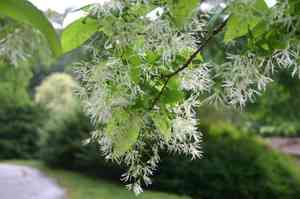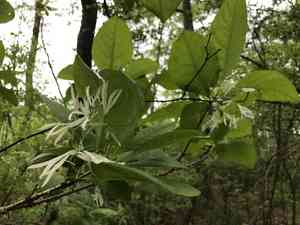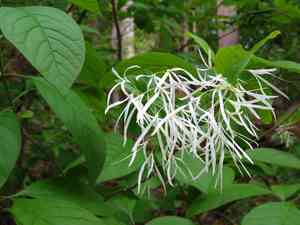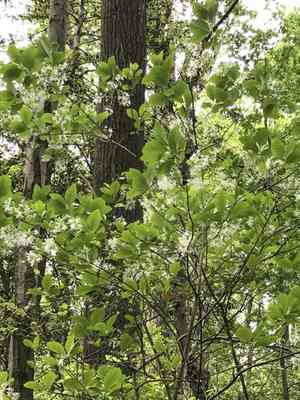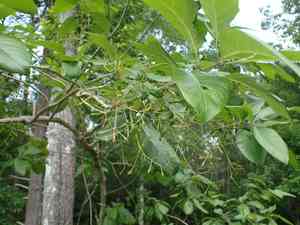
White fringetree(Chionanthus virginicus)

White fringetree (Chionanthus virginicus)

Also known as: Grancy gray beard, Fringe tree

White fringetree (Chionanthus virginicus) is often grown in gardens for its ornamental value. Its delicate, fringe-like white flowers bloom in late spring, making it an attractive choice for both tree and shrub plantings. The tree also produces blue-black, olive-shaped fruits in late summer, which are a food source for birds and other wildlife. Additionally, the white fringetree's ability to thrive in various soil types and conditions, including urban settings, adds to its appeal. However, it is worth noting that wild populations face threats from emerald ash borer beetle infestations, making cultivation in gardens an important way to support the species.

Attributes of White fringetree

Lifespan
Perennial
Plant Type
Tree
Plant Height
10 m to 11 m
Spread
3.5 m to 6 m
Leaf Color
Green Yellow
Flower Size
3 mm
Flower Color
White Cream

PlantJoy - Identify plants with a snap

Identify and diagnose plants, get toxicity alerts, and explore safety guides for all types of fungi.

Try for Free

Images of White fringetree

White fringetree(Chionanthus virginicus)

Quickly Identify White fringetree

1
Fragrant ivory-white flowers in clusters, 4-8 inches long, blooming in April-May.
2
Broad, spear-shaped leaves, 3-8 inches long, turning vivid yellow in autumn.
3
Distinctive bark with scaly dark brown ridges and red furrows, visually intricate and textured.
4
Clusters of small olive-like drupes, 0.5-1 inch long, dark bluish-black when mature.
5
Deciduous plant with rounded growth form, 12-20 feet tall and wide, with multi-stemmed habit.

Scientific Classification of White fringetree

Phylum
Vascular plants
Class
Dicotyledons
Order
Lamiales
Family
Olive
Genus
Fringetrees
Species
White fringetree

Planting and Growing of White fringetree

Care Difficulty
Easy
Watering Schedule
Every 2 days
Sunlight Requirements
Full sun
Sunshine Duration
4-8 hours
Ideal Temperature
60-75℉
Soil Type
Potting Mix, Peat Mix
Soil pH
6.5-7.5
Fertilizer Type
Balanced
Pruning Season
Spring, Summer
Pruning Area
Branches, Leaves
Pruning Frequency
2 times a year
Repotting Season
Spring
Pot Type
Plastic, Ceramic

water icon How to Water White fringetree?

When watering Chionanthus virginicus, ensure the soil is thoroughly moist but not waterlogged. This plant prefers consistent moisture levels, so a deep soak to about 500 ml is often ideal. Water until you notice it draining from the base, indicating the roots are adequately reached.
What are the symptoms of an underwatered White fringetree?
What should I do if my White fringetree is not getting enough water?
What are the symptoms of an overwatered White fringetree?
How to save an overwatered White fringetree?

sunlight icon What Are the Sunlight Requirements for White fringetree?

Sunlight Requirements: Full sun, Partial sun
Duration of light: Six to eight hours
For Chionanthus virginicus, an ideal light range involves full sun for about six to eight hours daily. This range ensures it absorbs enough energy for robust growth and abundant flowering while avoiding heat stress.
How much light does Chionanthus virginicus need?
What if my site doesn't get full sun all day?
Why is optimal lighting important for Chionanthus virginicus?

temperature icon What Is the Ideal Temperature Range for White fringetree?

Ideal Temperature: 60 ~ 75℉
Chionanthus virginicus, commonly known as the fringe tree, thrives best in moderate temperatures. The ideal range from 60°F to 75°F provides this deciduous shrub enough warmth to support healthy growth while avoiding stress caused by heat. At these temperatures, the tree can perform efficient photosynthesis, leading to vibrant foliage and blossoms. Care should be taken to maintain this range for optimal health and ornamental value.

soil icon What Soil is Best for White fringetree?

Soil type: Loam, Sandy loam, Sand soil, Acidic soil
Soil PH: 6.5 ~ 7.5
Chionanthus virginicus thrives best in soil with excellent drainage. This helps prevent root rot and ensures the plant has access to oxygen, which can aid in healthier growth and vibrant flowering. The plant prefers nutrient-rich soil, which supplies essential minerals and supports robust growth and abundant blooms. This makes fertilization less frequent and more effective, benefiting the plant overall. It requires soil that can retain the right amount of moisture without becoming waterlogged. This balance prevents stress on the plant from drought conditions while also avoiding oversaturation, promoting overall plant health.

fertilize icon How to Fertilize White fringetree?

Fertilizer type: Balanced
When fertilizing Chionanthus virginicus, it's important to apply a balanced fertilizer, such as a 10-10-10 formulation, at a rate of about one pound per 100 square feet. This ensures the tree receives sufficient nutrients without overwhelming its system. Always follow the instructions on the fertilizer package for specific application details.

prune icon How to Prune White fringetree?

Pruning Time: Winter
Begin by identifying branches that are dead, damaged, or diseased. Also look for any branches that are crossing, rubbing, or growing in undesirable directions. Use sharp pruning shears to make precise cuts. Always prune above a healthy bud or lateral branch to encourage new growth and proper healing of the cut. While cutting, aim to maintain a natural shape for Chionanthus virginicus. Avoid overly drastic cuts that could disrupt the plant's natural growing pattern. Regularly check for and remove any suckers growing at the base of the plant, as these can sap energy and nutrients intended for the main plant structure.

propagate icon How to Propagate White fringetree plant?

Propagate Time: Spring,Early spring,Late spring
1
To propagate Chionanthus virginicus by seed, start by collecting seeds in early autumn. Soak the seeds in water for 24 hours to break dormancy. Sow them in a seed tray filled with a well-draining mix and lightly cover with soil. Keep the tray in a warm area with indirect sunlight.
2
Choose a healthy plant and take a 4-6 inch cutting from a non-flowering stem during early spring. Remove the leaves from the bottom half of the cutting, and dip the cut end in rooting hormone powder to increase the chance of rooting.
3
Insert the prepared cutting into a pot filled with a mix of equal parts peat and sand. Water the cutting thoroughly and cover it with a plastic bag to maintain humidity, ensuring it is kept in indirect sunlight until roots develop.

repot icon How to Repot White fringetree plant?

Repotting frequency: Every 2-3 years
1
Look out for signs that your Chionanthus virginicus needs repotting—such as roots growing out of drainage holes, or slowed growth. Usually, repotting every 2-3 years in spring or autumn provides optimal growth conditions.
2
Select a pot that is at least 1-2 inches larger in diameter than the current one. Ensure it has good drainage to prevent waterlogging, which can cause root rot. A slightly larger pot gives ample room for roots to expand.
3
Opt for a well-draining, rich, loamy soil mix to promote proper drainage and nutrient availability. This type of soil supports healthy root development and prevents water retention, which can lead to rot.

PlantJoy - Identify plants with a snap

Find the best spots for them to optimize their health, simply using your phone.

Try for Free