Mexican-hat-plant (Chiranthodendron pentadactylon)
Also known as: Mexican hand tree, Hand-flower
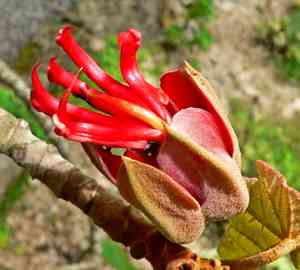
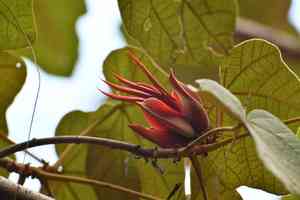
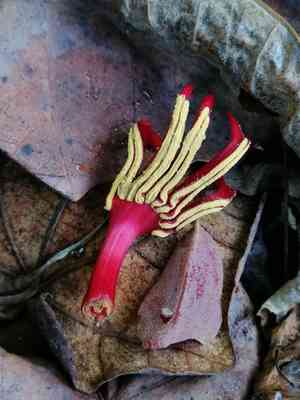
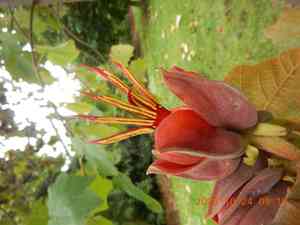
The "Mexican Hand Tree" (Chiranthodendron pentadactylon), also known as the "Devil's Hand Tree," is renowned for its unusual flowers that resemble a red hand emerging from the plant. In its native regions of Guatemala and Mexico, it is referred to as árbol de la manita, meaning 'the little hand tree.' This tree has been the emblem of the Botanical Society of Mexico since the 1940s.
In This Article
Attributes of Mexican-hat-plant
Lifespan
Perennial
Plant Type
Tree
Plant Height
11 m to 28 m
Spread
9 m to 12 m
Leaf Color
Green Blue
Flower Size
7-10 centimeters
Flower Color
Red
Images of Mexican-hat-plant
Quickly Identify Mexican-hat-plant
1
Evergreen tree reaching 50+ feet (15+ meters) in height.
2
Leaves with shallow lobes and fuzzy brown undercoat.
3
Distinctive red claw-like flowers with long stamens (2 inches/5 cm).
4
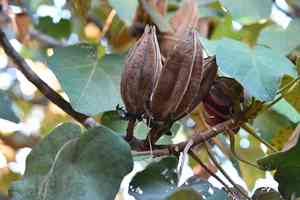
Woody fruits split into five lobes, 5 inches (13 cm) long.
Scientific Classification of Mexican-hat-plant
Phylum
Vascular plants
Class
Dicotyledons
Order
Mallows, rock-roses, and allies
Family
Mallow
Genus
Chiranthodendron
Species
Mexican-hat-plant
Planting and Growing of Mexican-hat-plant
Care Difficulty
Easy
Watering Schedule
Every 3 days
Sunlight Requirements
Full sun
Sunshine Duration
4-6 hours
Ideal Temperature
65-75℉
Soil Type
Potting Mix, Peat Mix
Soil pH
6.5-7.5
Fertilizer Type
Balanced
Pruning Season
Spring, Summer
Pruning Area
Branches, Leaves
Pruning Frequency
2 times a year
Repotting Season
Spring
Pot Type
Terracotta, Plastic
 How to Water Mexican-hat-plant?
Chiranthodendron pentadactylon, known for its vibrant red flowers, prefers a consistent yet moderate watering routine. When watering, aim to moisten the top 1-2 inches of soil. This amounts to roughly 500 ml of water per session, ensuring the moisture reaches the roots but does not cause waterlogging. The plant thrives best when its soil is kept slightly moist but never soggy.
What are the symptoms of an underwatered Mexican-hat-plant?
›
What should I do if my Mexican-hat-plant is not getting enough water?
›
What are the symptoms of an overwatered Mexican-hat-plant?
›
How to save an overwatered Mexican-hat-plant?
›
 What Are the Sunlight Requirements for Mexican-hat-plant?
The ideal light range for Chiranthodendron pentadactylon is full sun to partial sun, providing balanced exposure that enhances leaf color and promotes robust growth.
More About Sunlight Requirements Techniques→
What type of sunlight does it prefer?
›
What is the best way to provide ideal lighting?
›
What benefits does ideal lighting bring?
›
 What Is the Ideal Temperature Range for Mexican-hat-plant?
Chiranthodendron pentadactylon thrives in a warm temperature range between 65°F to 75°F. This range provides optimal conditions for growth, leaf development, and flowering. Maintaining this temperature helps the plant's metabolic processes function efficiently, ensuring vibrant growth and robust health.
 What Soil is Best for Mexican-hat-plant?
Chiranthodendron pentadactylon thrives best in well-drained soil, which ensures that excess water does not accumulate around the roots. Proper drainage minimizes the risk of root rot and other diseases, promoting healthy growth and robust blooming. The plant benefits greatly from soil rich in organic matter, such as compost or well-decomposed leaves. Organic matter provides essential nutrients and improves soil structure, enhancing moisture retention and boosting microbial activity, which are vital for plant health. While not overly demanding, Chiranthodendron pentadactylon prefers moderately fertile soil to support its nutritional needs. Regular but balanced fertilization helps maintain vigorous growth and vibrant blossom production, providing long-lasting ornamental appeal.
 How to Fertilize Mexican-hat-plant?
For Chiranthodendron pentadactylon, apply liquid fertilizer at a concentration of 1/2 the recommended strength by the manufacturer. This ensures that the plant receives the necessary nutrients without the risk of over-fertilization.
 How to Prune Mexican-hat-plant?
Carefully inspect the tree and cut back any dead or diseased branches. This opens up the canopy for better air circulation and light penetration, which reduces the risk of fungal diseases and encourages stronger growth. Shape the canopy by cutting back overgrown branches to create a balanced and aesthetically pleasing structure. Aim for a natural look while ensuring that branches do not cross and interfere with one another. Make cuts at a slight angle, just above a bud facing outward. This technique encourages the growth of new branches in the desired direction and supports a balanced growth habit.
More About Pruning Techniques→
 How to Propagate Mexican-hat-plant plant?
1
Harvest seeds from mature Chiranthodendron pentadactylon pods. Ensure seeds are fully matured and dry before collection, as immature seeds have low germination rates.
2
Harvest semi-hardwood cuttings from the plant during the growing season. Cuttings should be about 4-6 inches long and free from any disease or pest damage.
3
For seed propagation, plant seeds in seed trays filled with a well-draining soil mix. Cover lightly with soil and water gently. For cuttings, dip in rooting hormone and place in a moist medium.
 How to Repot Mexican-hat-plant plant?
1
Look for signs such as root-bound conditions where roots start emerging from drainage holes or the plant is top-heavy with insufficient growth. These indicate it's time to refresh the space and allow your Chiranthodendron pentadactylon room to thrive.
2
Select a pot that is 1 to 2 inches larger in diameter than the current one. This ensures that the plant has ample space for root expansion, promoting healthier growth without overwhelming it with too much soil that may retain excess moisture.
3
Opt for a well-draining loamy soil to prevent root rot and enhance aeration. This type of soil offers the perfect balance of nutrient retention and drainage, ensuring your plant receives sufficient nourishment without sitting in water.
Learn More About Mexican-hat-plant Diseases
Anthracnose
Bacterial Leaf Spot
Bacterial Soft Rot
Bacterial Wilt
Black Spot
Chemical Injury
Crown Gall
Damping-off
Downy Mildew
Drought Stress
Fusarium Wilt
Gray Mold
Leaf Curl
Leaf Spot
Mosaic
Nutrient Deficiency
Nutrient Toxicity
Powdery Mildew
Root Rot
Root-knot Nematode
Rusts
Sooty Mold
Spider Mites
Temperature Stress
Thrips Damage
White Mold



