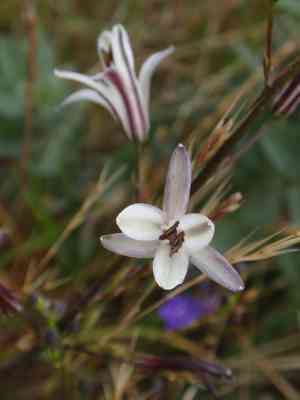
Wavy-leaf soap plant(Chlorogalum pomeridianum)

Wavy-leaf soap plant (Chlorogalum pomeridianum)

Also known as: California soaproot, Soap plant

Chlorogalum pomeridianum, often known as the wavy-leaf soap plant, is a perennial herb notable for its versatile use by Native Americans. The bulbs were traditionally crushed to produce a natural soap for cleaning purposes, including washing clothes. Additionally, the root served as an effective poison for freshwater fish. This plant features elegant white flowers that typically bloom in the late afternoon or evening.

Attributes of Wavy-leaf soap plant

Lifespan
Perennial
Plant Type
Herb
Plant Height
1.5 m
Spread
30 cm
Leaf Color
Green
Flower Size
1.5 cm to 2.5 cm
Flower Color
White Purple Green

PlantJoy - Identify plants with a snap

Identify and diagnose plants, get toxicity alerts, and explore safety guides for all types of fungi.

Try for Free

Images of Wavy-leaf soap plant

Wavy-leaf soap plant(Chlorogalum pomeridianum)

Quickly Identify Wavy-leaf soap plant

1
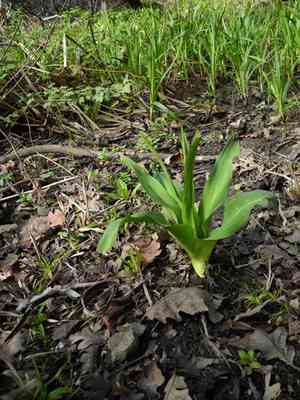
Long strap-like leaves, 1-2 feet (30-60 cm) with wavy edges.
2
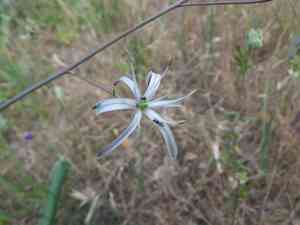
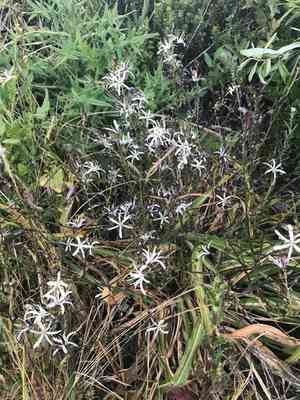
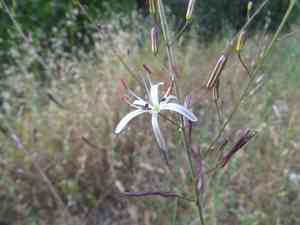
Fragrant white blooms with three petals, prominent stamens, opening in late afternoon.
3
Clumps of leaves spread along the ground or slightly rise.
4
Distinctive inflorescences emerging in late spring to summer.
5
Post-bloom dormancy marked by drying leaves in fall season.

Scientific Classification of Wavy-leaf soap plant

Phylum
Vascular plants
Class
Monocotyledons
Order
Asparagales
Family
Asparagus
Genus
Soap plants
Species
Wavy-leaf soap plant

Planting and Growing of Wavy-leaf soap plant

Care Difficulty
Easy
Watering Schedule
Every 2 days
Sunlight Requirements
Partial sun
Sunshine Duration
6-8 hours
Ideal Temperature
60-75℉
Soil Type
Potting Mix, Peat Mix
Soil pH
6.5-7.5
Fertilizer Type
Balanced
Pruning Season
Spring, Summer
Pruning Area
Branches, Leaves
Pruning Frequency
2 times a year
Repotting Season
Spring
Pot Type
Plastic, Ceramic

water icon How to Water Wavy-leaf soap plant?

Chlorogalum pomeridianum, known for its resilient nature, benefits from careful watering. Typically, watering should saturate the soil up to a depth of one inch. This ensures the roots receive enough moisture without causing waterlogging, crucial for the health of this drought-resistant plant.
What are the symptoms of an underwatered Wavy-leaf soap plant?
What should I do if my Wavy-leaf soap plant is not getting enough water?
What are the symptoms of an overwatered Wavy-leaf soap plant?
How to save an overwatered Wavy-leaf soap plant?

sunlight icon What Are the Sunlight Requirements for Wavy-leaf soap plant?

Sunlight Requirements: Partial sun
Duration of light: 3-6 hours daily
Chlorogalum pomeridianum thrives best in partial sun, meaning it requires about 3-6 hours of indirect sunlight daily. The ideal lighting helps maintain its natural growth pattern, enabling it to flourish without the stress of too much or too little light.
What is the best lighting condition for Chlorogalum pomeridianum?
How can I achieve optimal lighting for this plant?
What are the benefits of providing ideal lighting conditions?

temperature icon What Is the Ideal Temperature Range for Wavy-leaf soap plant?

Ideal Temperature: 60 ~ 75℉
Chlorogalum pomeridianum thrives best when the ambient temperature is maintained between 60°F and 75°F. This temperature range supports optimal metabolic processes and growth, allowing the plant to photosynthesize effectively and develop healthy foliage. Maintaining this range can help prevent stress-related conditions and ensure the overall health of the plant.

soil icon What Soil is Best for Wavy-leaf soap plant?

Soil type: Loam, Sandy loam, Sand soil
Soil PH: 6.5 ~ 7.5
Chlorogalum pomeridianum thrives in well-drained soil, which prevents root rot and other water-related issues. Ensuring good drainage enhances the plant's ability to take up nutrients efficiently. This plant prefers soil rich in organic matter. Such soil provides essential nutrients that promote vigorous growth and vibrant foliage, which are crucial for its development. A lighter soil texture facilitates better root expansion and aeration. This promotes healthy root systems, allowing Chlorogalum pomeridianum to develop a robust and extensive root network.

fertilize icon How to Fertilize Wavy-leaf soap plant?

Fertilizer type: Balanced
When fertilizing Chlorogalum pomeridianum, it is important to use a balanced fertilizer with an N-P-K ratio of approximately 10-10-10. For liquid fertilizers, dilute to half the strength recommended on the packaging to avoid over-fertilization. Apply approximately 250 mL per plant.

prune icon How to Prune Wavy-leaf soap plant?

Pruning Time: Spring, Autumn
Prune Chlorogalum pomeridianum during its dormancy period, ideally in early spring or after flowering in autumn. This helps minimize stress on the plant and promotes vigorous growth. Use clean, sharp pruning shears or scissors to avoid damaging the plant. Sterilize tools before and after use to prevent the spread of disease. Remove dead or damaged leaves by cutting them at the base. Trim any wilted flower stalks once the blooming season is over, cutting close to the main stem. Maintain the plant's natural shape by selectively removing older leaves to allow new ones to grow. Avoid cutting into the main stem as this can harm the plant.

propagate icon How to Propagate Wavy-leaf soap plant plant?

Propagate Time: Spring, Early summer
1
Harvest mature seeds from the plant during late summer, ensuring they are dry and fully developed. Store them in a cool, dry place until ready to plant in the following spring.
2
In early spring, carefully dig around the plant to expose parts of the rhizome. Use a sharp knife to segment sections ensuring each piece has healthy roots and buds for successful regrowth.
3
Select healthy, thicker roots from the base of the plant for cutting. Make a clean slice and plant the root sections in moist, sandy soil. Water lightly and keep them in partial shade.

repot icon How to Repot Wavy-leaf soap plant plant?

Repotting frequency: Every 2-3 years
1
Chlorogalum pomeridianum shows signs of needing repotting when you notice roots densely circling the pot's perimeter or when water takes longer to drain after watering. It's best to repot in the spring, providing the plant with ample growing season to adjust and thrive.
2
Select a pot that's slightly larger than the current one, with good drainage holes. This ensures that excess water can escape, preventing root rot and ensuring healthy root development for Chlorogalum pomeridianum, promoting vigorous growth.
3
Opt for a well-draining sandy soil mix, which mimics the plant's natural environment. This soil type provides adequate drainage and aeration, helping to maintain the right moisture balance and allowing the bulbous roots to grow healthily.

PlantJoy - Identify plants with a snap

Find the best spots for them to optimize their health, simply using your phone.

Try for Free

Toxicity of Wavy-leaf soap plant

Is Wavy-leaf soap plant toxic to humans?

The wavy-leaf soap plant contains saponins, which can be mildly to moderately toxic if ingested. These saponins are concentrated in the bulb, and their consumption in raw form poses the highest risk. They can lead to irritation of the mucous membranes in both the respiratory and digestive systems, and they are recognized for their diuretic properties. Symptoms associated with ingestion include sneezing, abdominal bloating, gastroenteritis, nausea, and diarrhea. Some individuals may also experience skin rashes following saponin consumption. Fortunately, the majority of humans do not effectively absorb saponins, allowing them to pass through the digestive system with limited symptoms. Nonetheless, it is advisable to refrain from eating raw bulbs of the wavy-leaf soap plant.

Is Wavy-leaf soap plant toxic to cat?

The wavy-leaf soap plant is known to possess moderate toxicity for cats. When felines consume the bulb of the wavy-leaf soap plant, they risk experiencing poisoning. Typical ways a cat may be poisoned include chewing on or ingesting various parts of the plant, particularly the bulb itself. Following exposure to the toxic elements found in the wavy-leaf soap plant, a cat may display general signs of discomfort or distress. Since timely treatment is crucial for the health and recovery of the affected cat, it is vital to take the animal to a veterinary hospital immediately if poisoning is suspected.

Is Wavy-leaf soap plant toxic to dog?

The wavy-leaf soap plant is recognized for its moderate toxicity levels in dogs. Ingestion of this plant is the primary route for potential poisoning in dogs. If a dog consumes any part of the wavy-leaf soap plant, especially the bulb, it may display various symptoms associated with poisoning. Pet owners should be vigilant for indicators such as vomiting, diarrhea, excessive salivation, or more serious reactions depending on the quantity ingested. Should a dog exhibit any of these symptoms after exposure to the wavy-leaf soap plant, it is crucial to obtain prompt veterinary assistance to ensure the pet's health and recovery.

Identify toxic plants for your safety

Learn which plants are harmful to you and your pets, and make informed choices for a safer home!

Try for Free
WARNING
The judgment on toxicity and danger is for reference only. We DO NOT GUARANTEE any accuracy of such judgment. Therefore, you SHALL NOT rely on such judgment. It is IMPORTANT TO SEEK PROFESSIONAL ADVICE in advance when necessary.