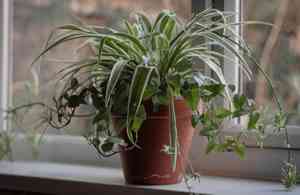
Spider plant (Chlorophytum comosum)
Also known as: Airplane plant, St. Bernard's lily, Spider ivy
The Spider Plant, also known as the "ribbon plant," is a perennial with slender, arching leaves. Native to Africa, it's widely cultivated as a houseplant due to its minimal care requirements. Thriving in both partial and full shade, it's a popular choice for indoor greenery.
In This Article
Plant Comprehensive Care Guide: Beginner's Introduction and Key Details
Perfect for beginners starting their plant care journey
→
10 Secrets to Making Spider plant Grow Faster (A Must-Read for Beginners)
Advanced tips to accelerate your plant's growth
→
Care "Black Tech": 10 Little-Known Highly Effective Maintenance Tips
Expert-level techniques for optimal plant care
→
Attributes of Spider plant
Lifespan
Perennial
Plant Type
Herb
Plant Height
15 cm to 60 cm
Spread
30 cm to 60 cm
Leaf Color
White Green Variegated
Flower Size
1.6 cm to 2 cm
Flower Color
White
Images of Spider plant
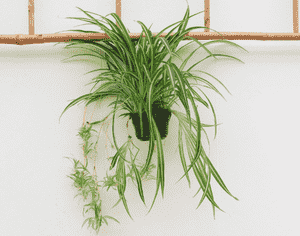
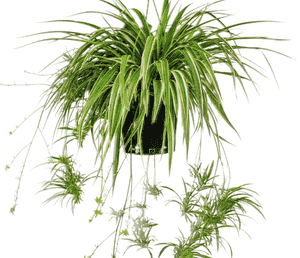
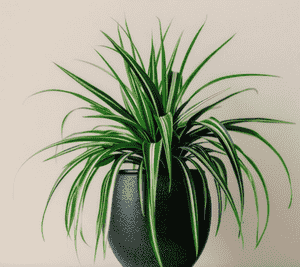
Quickly Identify Spider plant
1
Slender, arching foliage with central white stripe, up to 16 inches (40 cm) long.
2
Long, thin stolons producing small plantlets and flowers, can extend 2-3 feet (60-90 cm).
3
Small, white star-shaped flowers with six spreading tepals, blooms without scent.
4
Diminutive greenish to brown capsules, fleshy to papery texture enclosing small seeds.
5
Short, compressed stem supporting dense arching foliage, thin green stolons up to 2 feet (60 cm).
Scientific Classification of Spider plant
Phylum
Vascular plants
Class
Monocotyledons
Order
Asparagus and allies
Family
Asparagus
Genus
Spider plants
Species
Spider plant
Planting and Growing of Spider plant
Care Difficulty
Easy
Watering Schedule
Every 2 days
Sunlight Requirements
Partial sun
Sunshine Duration
8-12 hours
Ideal Temperature
65-75℉
Soil Type
Potting Mix, Peat Mix
Soil pH
6.5-7.5
Fertilizer Type
Balanced
Pruning Season
Spring, Summer
Pruning Area
Branches, Leaves
Pruning Frequency
2 times a year
Repotting Season
Spring
Pot Type
Plastic, Ceramic
 How to Water Spider plant?
For Chlorophytum comosum, also known as the spider plant, watering should be done when the top inch of the soil feels dry to touch. Give around 200ml per watering, enough to moisten the soil without flooding it.
More About Watering Techniques→
What are the symptoms of an underwatered Spider plant?
›
What should I do if my Spider plant is not getting enough water?
›
What are the symptoms of an overwatered Spider plant?
›
How to save an overwatered Spider plant?
›
 What Are the Sunlight Requirements for Spider plant?
Partial sun allows Spider Plants to thrive with a balanced exposure to light without risking burns. Ideal lighting enables rich foliage, healthy plant development, and vibrant coloration.
More About Sunlight Requirements Techniques→
What is the ideal light condition for Spider Plant?
›
How can you ensure the Spider Plant gets ideal light indoors?
›
What are the benefits of providing ideal lighting to a Spider Plant?
›
 What Is the Ideal Temperature Range for Spider plant?
The ideal temperature range for Chlorophytum comosum is between 65°F and 75°F. These conditions are perfect for its growth, promoting healthy foliage and robust root development. This range mimics its native tropical habitat, ensuring optimal physiological processes.
 What Soil is Best for Spider plant?
Chlorophytum comosum, commonly known as the Spider Plant, thrives in well-drained soil. This condition prevents waterlogging, which can lead to root rot, ensuring plant health and vigorous growth. Soil that retains moderate moisture without becoming soggy is crucial for this plant. It allows the plant to absorb enough water to sustain itself without being overwatered, promoting balanced growth. A nutrient-rich soil supports the Spider Plant’s growth by providing essential nutrients needed for photosynthesis and development, resulting in lush, vibrant foliage.
More About Soil→
 How to Fertilize Spider plant?
For Chlorophytum comosum, it is recommended to use a balanced liquid fertilizer diluted to half its strength. Typically, 1/4 to 1/2 teaspoon of fertilizer per gallon of water is adequate. Always ensure the soil is slightly moist before applying any fertilizer to avoid root damage.
More About Fertilizing Techniques→
 How to Prune Spider plant?
Before you start, acquaint yourself with Chlorophytum comosum's structure. Observe where new growth appears and identify dead or yellowing leaves in need of removal. To prevent the spread of disease, ensure all cutting equipment such as scissors or pruning shears are sterilized. Use rubbing alcohol or a diluted bleach solution for this purpose. Gently pull away leaves that have turned yellow or brown and are easily plucked from the plant. If they resist, prune them close to the base with a sharp, clean tool. Spiderettes, or plantlets, can be trimmed back to encourage the mother plant's growth. Follow the stem to the base and cut just above the node for best results. Prune to maintain the desired shape and size of your plant. Clip away any overly long or unsightly stems. This encourages a fuller appearance and directs growth energy more efficiently.
More About Pruning Techniques→
 How to Propagate Spider plant plant?
1
Identify mature runners with well-developed plantlets. Ensure these plantlets have some root growth for successful transference to soil. Choose vibrant green shoots without discoloration.
2
Fill a pot with a well-draining potting mixture. Moisten the soil prior to planting, ensuring it is damp but not waterlogged to encourage root establishment.
3
Insert the cut portion of the runner into the prepared pot. Plant deeply enough to support the plantlet upright with part of the roots in the soil. Press the soil around gently.
 How to Repot Spider plant plant?
1
Chlorophytum comosum, commonly known as the spider plant, usually signals its need for repotting when it becomes root-bound in its current pot or when growth appears stunted. Spring is the optimal time, as the plant actively grows and can recover more swiftly from the repotting process. If you notice roots growing through drainage holes or circling the pot's interior, it's a clear indication that repotting is necessary.
2
When choosing a new pot for your spider plant, opt for one that is about 2 inches larger in diameter than the current pot. This size allows room for root expansion without overwhelming the plant. Ensure the pot has drainage holes to prevent waterlogging, which can lead to root rot. A well-selected pot promotes healthy growth and prevents potential water-related issues.
3
Select a rich, well-draining potting mix formulated for houseplants. A blend containing peat, pine bark, and perlite or vermiculite will provide the appropriate drainage and nutrient-retaining capabilities. Good soil allows adequate aeration and moisture control, crucial for a thriving spider plant.



