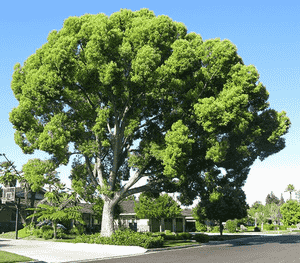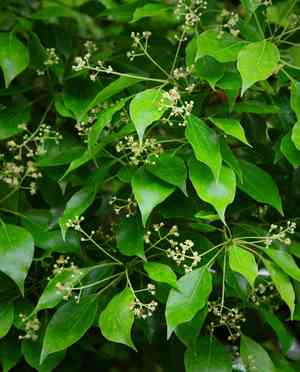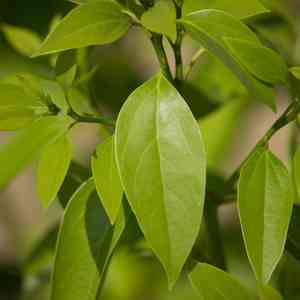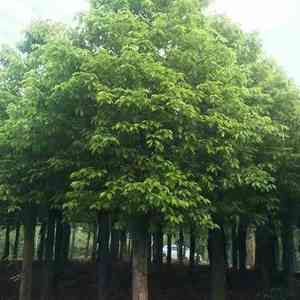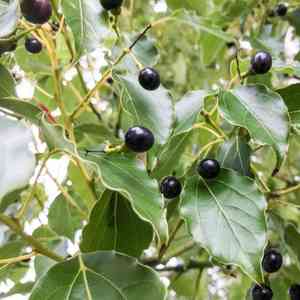
Camphor tree(Cinnamomum camphora)

Camphor tree (Cinnamomum camphora)

Also known as: Majestic beauty camphor, Camphorwood

The Camphor tree (Cinnamomum camphora) is an evergreen species indigenous to China, Japan, Korea, and Vietnam. It is commercially significant for producing camphor, a waxy substance utilized in the creation of gunpowder, incense, and insect repellent. Additionally, the tree is valued for its timber.

Attributes of Camphor tree

Lifespan
Perennial
Plant Type
Tree
Plant Height
20 m to 30 m
Spread
6 m
Leaf Color
Green
Flower Size
4 mm to 6 mm
Flower Color
White Green Yellow

PlantJoy - Identify plants with a snap

Identify and diagnose plants, get toxicity alerts, and explore safety guides for all types of fungi.

Try for Free

Images of Camphor tree

Camphor tree(Cinnamomum camphora)

Quickly Identify Camphor tree

1
Leaves emit a fragrant aroma when crushed, shiny green above and dull beneath.
2
Distinctive bark texture changes from scaly to furrowed with age, forming ridged, flat-topped patterns.
3
Fruit transitions from green to purplish-black, enclosing a single seed within succulent flesh.
4
Small cream to pale yellow flowers cluster on 3-inch panicles, exuding a delicate fragrance.
5
Trunk develops a sturdy, ridged structure with bark varying in color from brown to yellow.

Scientific Classification of Camphor tree

Phylum
Vascular plants
Class
Dicotyledons
Order
Laurales
Family
Laurel
Genus
Cinnamons
Species
Camphor tree

Planting and Growing of Camphor tree

Care Difficulty
Easy
Watering Schedule
Every 3 days
Sunlight Requirements
Full sun
Sunshine Duration
6-10 hours
Ideal Temperature
60-77℉
Soil Type
Potting Mix, Peat Mix
Soil pH
6.5-7.5
Fertilizer Type
Balanced
Pruning Season
Spring, Summer
Pruning Area
Branches, Leaves
Pruning Frequency
2 times a year
Repotting Season
Spring
Pot Type
Plastic, Ceramic

water icon How to Water Camphor tree?

When watering Cinnamomum camphora, aim for around 500ml of water each time to ensure the soil is adequately moistened without becoming waterlogged. This amount allows the roots to absorb necessary moisture and nutrients efficiently.
What are the symptoms of an underwatered Camphor tree?
What should I do if my Camphor tree is not getting enough water?
What are the symptoms of an overwatered Camphor tree?
How to save an overwatered Camphor tree?
More About Watering Techniques

sunlight icon What Are the Sunlight Requirements for Camphor tree?

Sunlight Requirements: Full sun, Partial sun
Duration of light: 4 to 8 hours daily
With an ideal light range involving full to partial sun, the Cinnamomum camphora thrives, gaining optimal foliage density, growth rate, and aromatic quality, contributing to its robust health and longer lifespan.
What is the ideal lighting condition for Cinnamomum camphora?
What are the solutions to achieve ideal lighting?
What benefits come from optimal lighting?
More About Sunlight Requirements Techniques

temperature icon What Is the Ideal Temperature Range for Camphor tree?

Ideal Temperature: 60 ~ 77℉
The ideal temperature range for Cinnamomum camphora, also known as the camphor tree, is between 60°F to 77°F. Within this range, the plant can flourish, exhibiting optimal growth and development. This moderate temperature allows the metabolic processes of the plant to function most effectively, ensuring healthy foliage, trunk, and root systems.

soil icon What Soil is Best for Camphor tree?

Soil type: Loam, Sandy loam
Soil PH: 6.5 ~ 7.5
Cinnamomum camphora thrives in well-drained soils which prevent waterlogging. Well-drained soil ensures that the roots receive adequate oxygen and helps in preventing root rot, thereby promoting healthier growth. This tree benefits from soil that is rich in organic matter. Organic matter improves soil structure, enhances nutrient availability, and increases its water-retaining capability, supporting vigorous growth. The camphor tree does best in soils of moderate fertility. Moderate fertility ensures that the plant receives necessary nutrients without the risk of excessive fertilizer buildup, promoting balanced growth. More About Soil

fertilize icon How to Fertilize Camphor tree?

Fertilizer type: Balanced
Camphor trees benefit from moderate fertilization. Use a balanced fertilizer with an NPK ratio like 10-10-10. Apply approximately 1 pound of fertilizer per year for every inch of trunk diameter. Ensure that the fertilizer is spread evenly around the root zone, extending to the drip line of the tree. More About Fertilizing Techniques

prune icon How to Prune Camphor tree?

Pruning Time: Spring, Summer, Autumn
Before you start pruning, examine the tree for dead, damaged, or overcrowded branches. Identifying these will help you focus your pruning efforts on areas that need attention, ensuring that sunlight and air circulate properly throughout the plant. Always use clean, sharp pruning shears to make cuts. This prevents the spread of disease and ensures smooth cuts that heal quickly. Disinfect tools between uses if you're dealing with diseased branches. Remove branches with sparse foliage to encourage more robust growth. Limit the removal to no more than one-third of the tree's overall foliage to prevent shock, but enough to stimulate a fuller canopy. More About Pruning Techniques

propagate icon How to Propagate Camphor tree plant?

Propagate Time: Spring, Early spring, Late spring
1
Collect seeds from a mature Cinnamomum camphora tree. Clean and soak the seeds in lukewarm water for 24 hours. This process helps to soften the seed coat and enhance germination.
2
Select healthy and semi-hardwood cuttings from the current season's growth. Cut them to a length of 6-8 inches, removing any flowers or fruit to redirect energy into root development.
3
Select a suitable rootstock and scion from healthy plants. Make matching V-cuts on both and fit them together tightly. Secure the graft with grafting tape to ensure a strong union.
More About Propagating Techniques

repot icon How to Repot Camphor tree plant?

Repotting frequency: Every 2-3 years
1
Look for signs like roots emerging from drainage holes or a visibly crowded pot to determine it's time for repotting. Furthermore, slowed growth despite adequate care can indicate the need for a new pot to give roots more space to expand.
2
Opt for a pot that is one size larger than the current one, ensuring it has good drainage. This allows for the roots to grow without getting waterlogged, preventing root rot and promoting healthier plant growth.
3
Use a well-drained loamy mix with a pH level of around 6-7. This ensures adequate drainage and nutrient retention, providing the plant with sufficient aeration and preventing water accumulation at the roots.

PlantJoy - Identify plants with a snap

Find the best spots for them to optimize their health, simply using your phone.

Try for Free

Toxicity of Camphor tree

Is Camphor tree toxic to cat?

The 'camphor tree' is harmful to cats, with every component of the plant, especially the seeds, presenting a danger if ingested. When cats unknowingly ingest any part of the 'camphor tree', they are at risk of poisoning and may display symptoms of physical distress or illness. Should you suspect that a cat has ingested 'camphor tree,' it is essential to obtain prompt veterinary care, as expert treatment is vital for the health and recovery of the cat.

Is Camphor tree toxic to dog?

The camphor tree is recognized as toxic to dogs. If canines unintentionally consume this plant, they may become poisoned. Toxic compounds are found in every part of the camphor tree, even in the seeds, creating a risk for dogs that might ingest any section of it. Symptoms of poisoning can differ but may include vomiting, diarrhea, stomach pain, and in severe circumstances, seizures or liver failure. It is essential for dog owners to keep their pets away from the camphor tree and to observe for any signs of distress that may indicate ingestion. Should a dog be suspected of having consumed camphor tree, prompt veterinary intervention is vital to effectively manage the symptoms and enhance the likelihood of recovery.

Identify toxic plants for your safety

Learn which plants are harmful to you and your pets, and make informed choices for a safer home!

Try for Free
WARNING
The judgment on toxicity and danger is for reference only. We DO NOT GUARANTEE any accuracy of such judgment. Therefore, you SHALL NOT rely on such judgment. It is IMPORTANT TO SEEK PROFESSIONAL ADVICE in advance when necessary.
More About Toxic Techniques