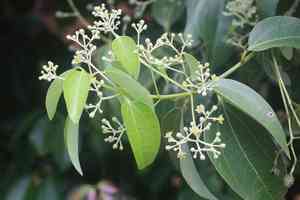
True cinnamon tree (Cinnamomum verum)
Also known as: Cinnamon, Ceylon cinnamon
The true cinnamon tree (Cinnamomum verum), also known as Ceylon cinnamon, is an evergreen tree that typically reaches heights of 10-15 meters. Originating from Sri Lanka and southern India, this tree produces high-quality cinnamon, highly valued in culinary arts. The tree's small, purple fruits are consumed by birds, aiding in seed dispersal across various regions. It flowers between spring and summer, subsequently producing single-seeded fruits. In some non-native locations, it has exhibited invasive tendencies.
Attributes of True cinnamon tree
Images of True cinnamon tree
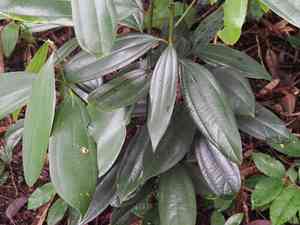
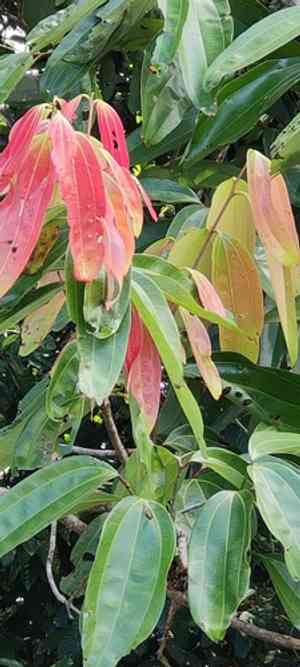
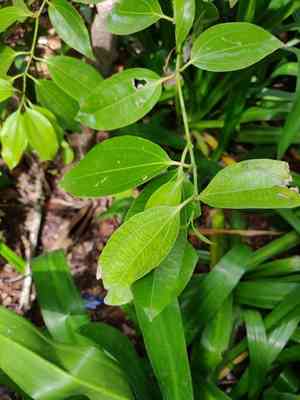
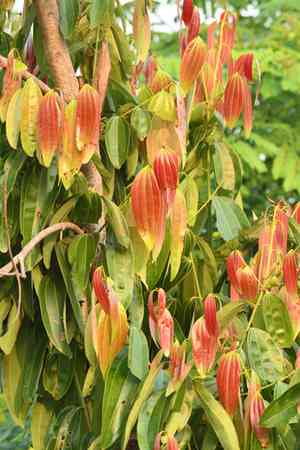
Quickly Identify True cinnamon tree
Scientific Classification of True cinnamon tree
Planting and Growing of True cinnamon tree
 How to Water True cinnamon tree?
 What Are the Sunlight Requirements for True cinnamon tree?
 What Is the Ideal Temperature Range for True cinnamon tree?
 What Soil is Best for True cinnamon tree?
 How to Fertilize True cinnamon tree?
 How to Prune True cinnamon tree?
 How to Propagate True cinnamon tree plant?
 How to Repot True cinnamon tree plant?
Toxicity of True cinnamon tree
Is True cinnamon tree toxic to humans?
The true cinnamon tree exhibits a mild toxicity level for humans, mainly through ingestion. The entire plant contains coumarin, which, when ingested in large amounts, may result in various health complications. Symptoms of poisoning associated with the true cinnamon tree can include headaches, liver damage, and dizziness. In extreme cases, excessive consumption can lead to liver failure. Given that the whole plant is toxic, it is crucial to exercise caution to prevent inadvertent ingestion, particularly since the true cinnamon tree is frequently utilized in cooking. Awareness of the potential dangers of consuming excessive quantities of true cinnamon tree is essential, and moderation is advised to avoid any negative health effects.
Is True cinnamon tree toxic to cat?
The true cinnamon tree presents a minor risk to feline health, as every part of the plant contains toxic substances. Cats might consume it inadvertently, which may result in signs of physical distress. The mild toxicity is attributed to the presence of coumarin within the plant. Therefore, cat owners should remain alert, making sure that the true cinnamon tree is out of reach of cats, and if ingestion is suspected, prompt veterinary assistance is essential.
Is True cinnamon tree toxic to dog?
The true cinnamon tree presents a low toxicity hazard to dogs. Canines might unintentionally consume various parts of the true cinnamon tree, which can result in possible poisoning. The entire plant is regarded as toxic, and ingestion may lead to symptoms like gastrointestinal distress, vomiting, diarrhea, or more serious reactions based on the quantity ingested. The toxicity is largely due to the presence of coumarin in the true cinnamon tree. Should a dog show any indications of poisoning after consuming true cinnamon tree, it is crucial to seek prompt veterinary assistance to guarantee appropriate treatment and symptom management.



