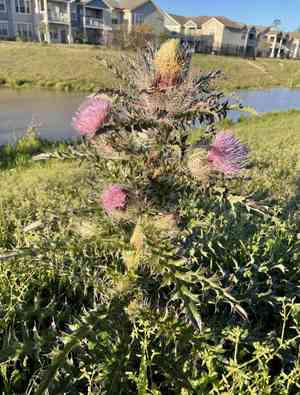
Yellow thistle (Cirsium horridulum)
Also known as: Bull thistle, Spiny thistle
Bull yellow thistle (*Cirsium horridulum*) is a flowering plant related to the sunflower that is native to North America. Bull yellow thistle is also referred to as the Horrible Thistle, the Spiny Thistle, and the "Big spine Thistle." Thomas Nuttall, an English botanist who worked in America, called the plant "terribly armed."
In This Article
Attributes of Yellow thistle
Lifespan
Annual, Biennial, Perennial
Plant Type
Herb
Plant Height
46 cm to 1.5 m
Spread
30 cm to 90 cm
Leaf Color
Green Blue
Flower Size
2.5 cm to 8 cm
Flower Color
Yellow Purple Pink Red White
Images of Yellow thistle
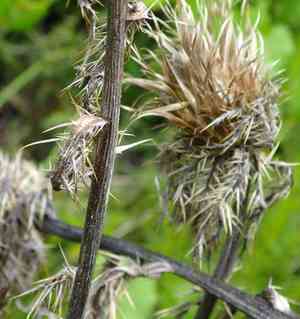
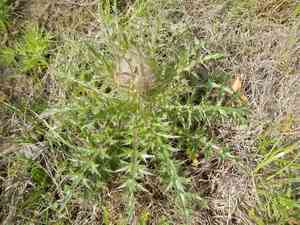
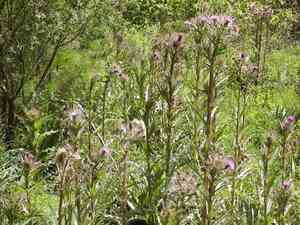
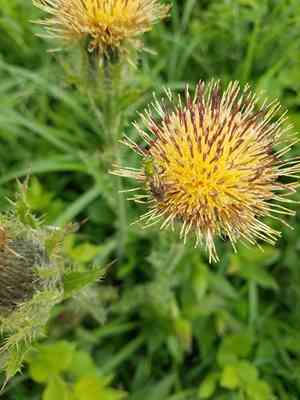
Quickly Identify Yellow thistle
1
Tall branching stem, 2-8 feet (60-244 cm) high, covered in spines.
2
Large yellowish or red-purple flower heads with spiky bracts.
3
8-24 inch (20-61 cm) foliage with white wooly underside and spines.
4
3-inch (7.6 cm) wide disc flower heads in vibrant yellow and pink to purple.
5
Small, flat, brown fruit with feathery pappus for wind dispersal.
Scientific Classification of Yellow thistle
Phylum
Vascular plants
Class
Dicotyledons
Order
Asterales
Family
Daisy
Genus
Thistles
Species
Yellow thistle
Planting and Growing of Yellow thistle
Care Difficulty
Hard
Watering Schedule
Every 2 days
Sunlight Requirements
Full sun
Sunshine Duration
6-10 hours
Ideal Temperature
60-75℉
Soil Type
Potting Mix, Peat Mix
Soil pH
6-7.5
Fertilizer Type
Balanced
Pruning Season
Spring, Summer
Pruning Area
Branches, Leaves
Pruning Frequency
2 times a year
Repotting Season
Spring
Pot Type
Plastic, Ceramic
 How to Water Yellow thistle?
Cirsium horridulum, or the Horrible Thistle, prefers to be watered thoroughly but infrequently. Aim to moisten the soil to a depth of at least 6 inches, allowing the upper layer to dry out completely between watering sessions. This mimics its natural environment and prevents root rot.
What are the symptoms of an underwatered Yellow thistle?
›
What should I do if my Yellow thistle is not getting enough water?
›
What are the symptoms of an overwatered Yellow thistle?
›
How to save an overwatered Yellow thistle?
›
 What Are the Sunlight Requirements for Yellow thistle?
Cirsium horridulum prefers full sun, translating to a light range of 6 to 8 hours daily. Ensuring this range supports strong growth, vibrant foliage, and healthy blooms, thereby maximizing its ornamental appeal and resilience in garden settings.
Optimal Sunlight Duration
›
Dealing with Seasonal Sunlight Changes
›
Observing the Plant's Response
›
 What Is the Ideal Temperature Range for Yellow thistle?
Cirsium horridulum thrives in a temperature range of 60 to 75°F. This range supports healthy growth and flowering by providing the necessary warmth and environmental stability the plant requires. Within this range, metabolic processes occur optimally, encouraging lush foliage and robust structural development.
 What Soil is Best for Yellow thistle?
Cirsium horridulum thrives in well-draining soils. Adequate drainage is critical to prevent waterlogging, which could lead to root rot. Ensuring proper drainage maintains root aeration and promotes healthy growth. This plant benefits from nutrient-rich soils that ensure essential minerals are readily available. A rich substrate supports vigorous growth, encourages strong foliage, and enhances overall resilience. While good drainage is important, the soil should also retain some moisture to sustain the plant between waterings. Balance is key, as it helps maintain consistent hydration and reduces stress.
 How to Fertilize Yellow thistle?
For Cirsium horridulum, it's essential to use approximately a quarter-strength liquid fertilizer when applying monthly. Excessive fertilizer can lead to nutrient overload, while insufficient amounts might not support its growth well. The plant benefits from a balanced nutrient supply that supports its robust growth without overwhelming its system.
 How to Prune Yellow thistle?
Begin pruning Cirsium horridulum by wearing heavy gloves to protect against its spiny leaves. Use sharp shears to trim back any dead or damaged stems at the base, encouraging new growth. Focus on removing entire stalks that have finished blooming to prevent seed heads from forming, which could lead to unwanted self-seeding. For a more compact plant, trim back the stems by about one-third during the middle of the growth season.
 How to Propagate Yellow thistle plant?
1
Start by filling a seed tray with a well-draining soil mix. Scatter the seeds evenly on the surface and cover them with a light layer of soil. Water gently to avoid displacing the seeds.
2
Place the seed tray in a location with plenty of indirect sunlight. Maintain a consistent temperature of around 15-20°C (59-68°F) to encourage germination, which typically takes 2-3 weeks.
3
Once the seedlings have developed a few true leaves, carefully transplant them into individual pots. Use the same well-draining soil mix and ensure the pots have good drainage to prevent root rot.
 How to Repot Yellow thistle plant?
1
Cirsium horridulum shows specific signs when it requires repotting. Key indicators include roots pushing through the drainage holes or a visibly crowded pot. Additionally, if the plant's growth seems stunted or water drains too quickly from the pot, it’s time for a change.
2
Select a pot that's one size larger than the current one to give the roots ample space to grow. Ensure it has good drainage holes, which will help prevent waterlogging and root rot, crucial for maintaining a healthy Cirsium horridulum.
3
Opt for a well-draining, sandy soil mix which mimics its native environment. This ensures proper aeration and prevents water retention, key factors in keeping the roots healthy and promoting vigorous plant growth.
Learn More About Yellow thistle Diseases
Anthracnose
Bacterial Leaf Spot
Bacterial Wilt
Crown Gall
Cyst Nematode
Damping-off
Downy Mildew
Drought Stress
Fusarium Wilt
Gray Mold
Leaf Spot
Mosaic
Nutrient Deficiency
Nutrient Toxicity
Powdery Mildew
Root Rot
Root-knot Nematode
Rusts
Sooty Mold
Spider Mites
Temperature Stress
Thrips Damage
White Mold



