
Virginia springbeauty (Claytonia virginica)
Also known as: Grass-flower
The Virginia springbeauty (Claytonia virginica) features small underground tubers that are quite tasty, resembling the flavor of chestnuts. Despite their deliciousness, early American colonists seldom ate them unless absolutely necessary. This was due to the significant effort needed to gather a sufficient quantity for a meal, which made them an impractical food source compared to other more easily harvested options. Notably, the genus name honors John Clayton, a key figure in botanical studies.
In This Article
Attributes of Virginia springbeauty
Lifespan
Perennial
Plant Type
Herb
Plant Height
15 cm to 25 cm
Spread
15 cm to 25 cm
Leaf Color
Green
Flower Size
7 mm to 1.4 cm
Flower Color
White Pink
Images of Virginia springbeauty
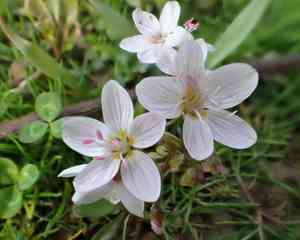
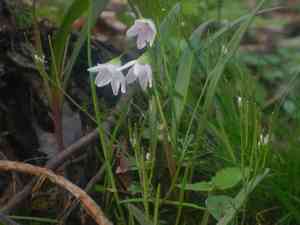
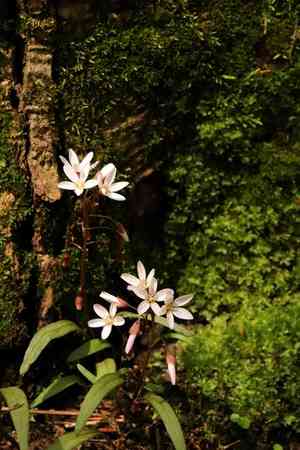
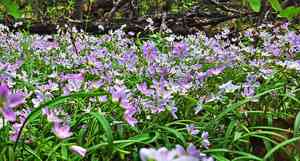
Quickly Identify Virginia springbeauty
1
Grass-like leaves, up to 12 inches (30 cm) long, essential for identification.
2
Delicate flowers with pink and white petals, adorned with dark pink stripes.
3
Oval fruit capsule enclosed by persistent sepals, unique trait for recognition.
4
Slender stem, smooth texture, no prominent ridges or pubescence, reaching 6-12 inches (15-30 cm).
5
Distinctive seasonal appearance after seed maturation in late spring, a key identification factor.
Scientific Classification of Virginia springbeauty
Phylum
Vascular plants
Class
Dicotyledons
Order
Caryophyllales
Family
Pussypaw
Genus
Spring beauty
Species
Virginia springbeauty
Planting and Growing of Virginia springbeauty
Care Difficulty
Easy
Watering Schedule
Every 4 days
Sunlight Requirements
Partial sun
Sunshine Duration
4-8 hours
Ideal Temperature
55-65℉
Soil Type
Potting Mix, Peat Mix
Soil pH
6.5-7.5
Fertilizer Type
Balanced
Pruning Season
Spring, Summer
Pruning Area
Branches, Leaves
Pruning Frequency
2 times a year
Repotting Season
Spring
Pot Type
Plastic, Ceramic
 How to Water Virginia springbeauty?
Claytonia virginica, commonly known as spring beauty, requires moderate watering. The key is to maintain consistently moist soil without overwatering. This delicate plant thrives in well-draining soil, so gently water until the top few inches are evenly moist. Allow the soil to slightly dry out between waterings.
What are the symptoms of an underwatered Virginia springbeauty?
›
What should I do if my Virginia springbeauty is not getting enough water?
›
What are the symptoms of an overwatered Virginia springbeauty?
›
How to save an overwatered Virginia springbeauty?
›
 What Are the Sunlight Requirements for Virginia springbeauty?
Partial sun or dappled shade is ideal. Such conditions ensure Claytonia virginica receives enough sunlight for energy while protecting it from direct overhead exposure.
What type of sunlight does Claytonia virginica prefer?
›
How can you ensure ideal lighting for Claytonia virginica?
›
Benefits of ideal lighting for Claytonia virginica?
›
 What Is the Ideal Temperature Range for Virginia springbeauty?
Claytonia virginica, commonly known as spring beauty, thrives in cool to mild climates. The ideal temperature range for optimal growth is between 55°F to 65°F. These temperatures resemble early spring conditions, which are conducive to its growth cycle, enabling the plant to complete its lifecycle before summer heat. Maintaining this range ensures the plant's metabolic processes function efficiently, promoting healthy development.
 What Soil is Best for Virginia springbeauty?
Claytonia virginica thrives in well-drained soil, which prevents waterlogging around its roots, allowing them to access nutrients efficiently. This soil characteristic helps prevent root rot, supporting vibrant growth and healthy flowering. Incorporating a nutrient-rich compost into the soil ensures that Claytonia virginica receives a steady supply of the minerals and nutrients it needs for robust growth. This addition boosts its growth rate and enhances the flowering process. Organically enriched soil is indispensable for Claytonia virginica as it helps retain moisture and offers crucial nutrients. Such a soil composition promotes resilience, enabling the plant to withstand challenging conditions.
 How to Fertilize Virginia springbeauty?
For Claytonia virginica, use a balanced fertilizer formulation at half strength. During active growing periods, liquid fertilizer should be supplied at a rate of one tablespoon per gallon of water, ensuring not to overwhelm the delicate root systems.
 How to Prune Virginia springbeauty?
Begin pruning Claytonia virginica by assessing the plant's overall shape and growth pattern. Use clean, sharp pruning shears to remove any dead or diseased foliage to prevent the spread of potential infections. Trim back stems that have finished flowering to encourage the plant to allocate energy towards new, robust growth. Carefully cut just above a leaf node to avoid leaving stubs that could invite pests and diseases.
 How to Propagate Virginia springbeauty plant?
1
Gather seeds from mature Claytonia virginica plants. Clean and dry them thoroughly before use. It's crucial to store them in a cool, dry place until you're ready to plant, as this maintains seed viability.
2
Fill seed trays with potting soil and scatter seeds evenly across the surface. Cover lightly with soil and gently water. Be sure not to bury the seeds too deeply, as this can impede germination.
3
Place the trays in a location with indirect sunlight and maintain consistent moisture. Once seedlings appear and grow strong enough, carefully transplant them to individual pots or an outdoor setting.
 How to Repot Virginia springbeauty plant?
1
Claytonia virginica typically requires repotting when you notice it becoming root-bound, with roots visibly growing out of the drainage holes. Another sign is if the plant's growth has slowed significantly, indicating limited space for further root expansion. The best time to do this is during early spring just as new growth begins, ensuring the plant can quickly acclimate to its new pot.
2
When picking a pot for Claytonia virginica, choose one that is slightly larger than the current pot to allow for root expansion but not so large that soil retains too much moisture. Ideally, it should have adequate drainage holes at the bottom to prevent waterlogging, which can lead to root rot. Using a breathable material like terracotta can also aid in moisture management and keep roots healthy.
3
The right soil for Claytonia virginica should be well-draining to avoid water accumulation around sensitive roots. A sandy soil mixed with organic matter strikes the perfect balance, allowing for adequate air circulation and nutrient availability. This setup ensures that while the plant has the moisture it needs, excess water is efficiently drained, preventing potential root diseases.



