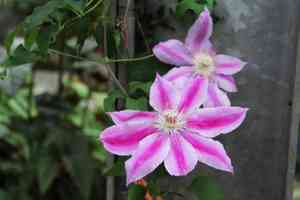
Clematis (Clematis) (Clematis)
Also known as: Traveller's Joy, Virgin's Bower
Clematis, known for their vibrant flowers, are popular perennial vines in gardens. Gardeners classify them into three groups based on their flowering patterns: Group 1 blooms in spring on old wood, Group 2 features repeat bloomers that flower in late spring and possibly again in late summer, and Group 3 blooms in summer or fall on new growth.
Attributes of Clematis (Clematis)
Images of Clematis (Clematis)
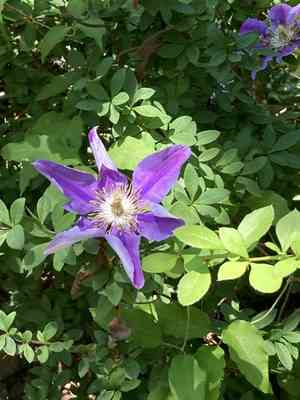
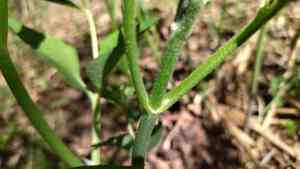
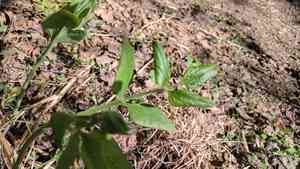
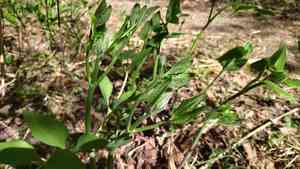
Quickly Identify Clematis (Clematis)
Scientific Classification of Clematis (Clematis)
Planting and Growing of Clematis (Clematis)
 How to Water Clematis (Clematis)?
 What Are the Sunlight Requirements for Clematis (Clematis)?
 What Is the Ideal Temperature Range for Clematis (Clematis)?
 What Soil is Best for Clematis (Clematis)?
 How to Fertilize Clematis (Clematis)?
 How to Prune Clematis (Clematis)?
 How to Propagate Clematis (Clematis) plant?
 How to Repot Clematis (Clematis) plant?
Toxicity of Clematis (Clematis)
Is Clematis (Clematis) toxic to cat?
All components of clematis possess an irritant glycoside, rendering the plant somewhat toxic to cats. Initial signs of poisoning may include vomiting, diarrhea, and excessive drooling. Because of its off-putting flavor, cats typically avoid consuming clematis in significant amounts; however, it is advisable to consult a veterinarian for confirmation.
Is Clematis (Clematis) toxic to dog?
Clematis species possess a mild to moderate toxicity level for dogs. The various components of most clematis plants contain a potent irritant that may lead to excessive salivation and reduced appetite when ingested. This condition can escalate to vomiting or diarrhea. While more severe symptoms are possible, they are quite rare because these plants are generally very unpalatable to dogs, making large quantities less likely to be consumed. If your dog exhibits any severe symptoms, it is important to seek veterinary assistance.


