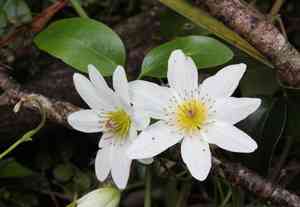
Puawhananga (Clematis paniculata)
Also known as: White clematis
Clematis paniculata, commonly known as puawhananga, is one of seven native clematis species in New Zealand. It stands out as the most prevalent and can be found extensively across the country's forests.
Attributes of Puawhananga
Images of Puawhananga


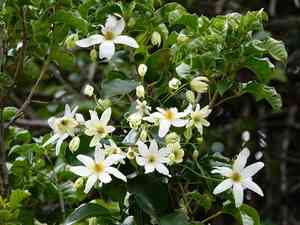
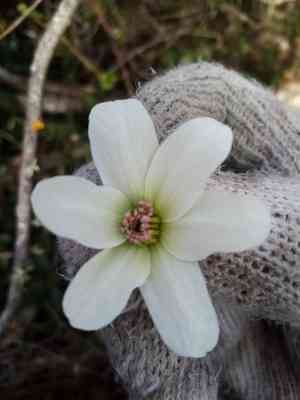
Quickly Identify Puawhananga
Scientific Classification of Puawhananga
Planting and Growing of Puawhananga
 How to Water Puawhananga?
 What Are the Sunlight Requirements for Puawhananga?
 What Is the Ideal Temperature Range for Puawhananga?
 What Soil is Best for Puawhananga?
 How to Fertilize Puawhananga?
 How to Prune Puawhananga?
 How to Propagate Puawhananga plant?
 How to Repot Puawhananga plant?
Toxicity of Puawhananga
Is Puawhananga toxic to humans?
Puawhananga is extremely toxic to humans if ingested, and it can also induce dermatitis upon contact with its foliage or sap. Although it is a frequently found ornamental plant, its appearance does not mimic that of edible crops, which puts children and gardeners at the highest risk of poisoning due to skin exposure, resulting in burning sensations and skin rashes. When consumed, the poisoning effects are serious and may manifest as ulcers and oral discomfort, dizziness, fainting, and seizures. This plant possesses a strong and harshly bitter flavor, which helps to diminish the chances of severe poisoning from consuming large quantities.



