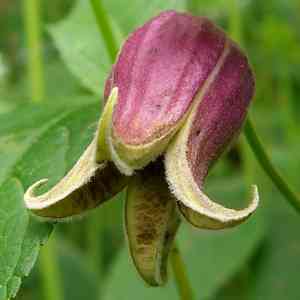
Vasevine (Clematis viorna)
Also known as: Vase-Vine Leatherflower
Clematis viorna, also known as vasevine or leatherflower, is native to the southeastern United States. Its flowers have a distinctive leathery texture. While it has spread to other regions, it's important to note that this plant is toxic. Ingestion can cause a severe burning sensation in the mouth, and contact with the skin may lead to inflammation.
Attributes of Vasevine
Images of Vasevine
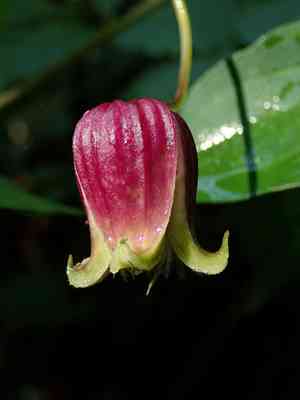
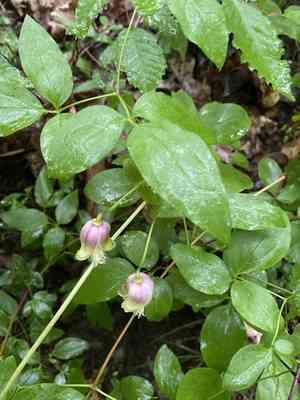
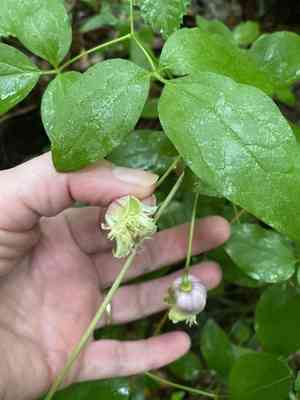
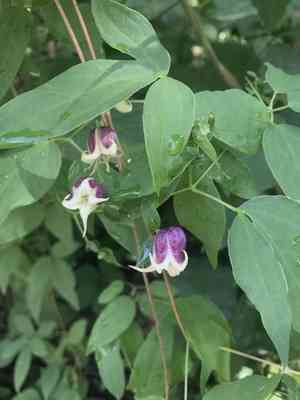
Quickly Identify Vasevine
Scientific Classification of Vasevine
Planting and Growing of Vasevine
 How to Water Vasevine?
 What Are the Sunlight Requirements for Vasevine?
 What Is the Ideal Temperature Range for Vasevine?
 What Soil is Best for Vasevine?
 How to Fertilize Vasevine?
 How to Prune Vasevine?
 How to Propagate Vasevine plant?
 How to Repot Vasevine plant?
Toxicity of Vasevine
Is Vasevine toxic to humans?
The vasevine is an extremely toxic plant that poses significant health risks when consumed, while direct contact with the plant can result in contact dermatitis. It is believed that the most hazardous components of the plant are its leaves and sap, although all parts can potentially be poisonous. Consuming any portion of the vasevine may lead to immediate and agonizing sensations of burning in the mouth, lips, and tongue. Additional symptoms of poisoning may include severe gastrointestinal distress, such as nausea, abdominal cramps, vomiting, and diarrhea, along with excessive drooling, confusion, dizziness, fainting spells, and seizures. Contact dermatitis appears as skin redness, itching, swelling, blisters, and rashes.



