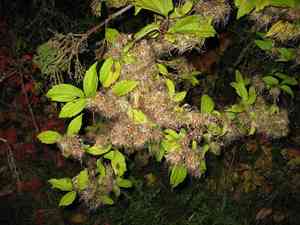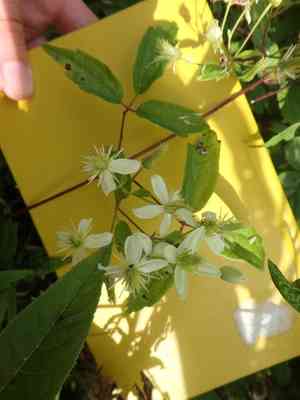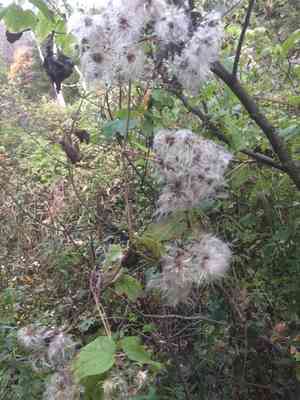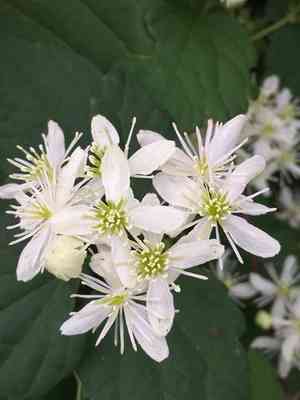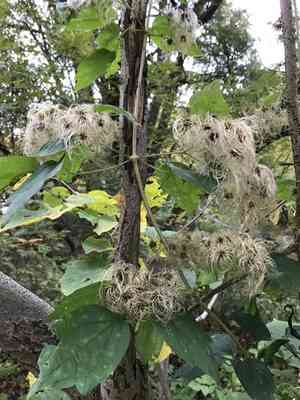
Devil's darning needles(Clematis virginiana)

Devil's darning needles (Clematis virginiana)

Also known as: Love vine, Woodbine

A native climbing vine of the Southeastern United States is Clematis virginiana, also known as Virgin's Bower. This vine uses delicate tendrils for support, ensuring it does not damage the structures it climbs. It is appealing to bees and hummingbirds and is resistant to deer. The vine produces white flowers that bloom throughout the summer.

Attributes of Devil's darning needles

Lifespan
Perennial
Plant Type
Vine, Herb
Plant Height
3 m to 6 m
Spread
90 cm to 1.8 m
Leaf Color
Green
Flower Size
5 cm
Flower Color
White

PlantJoy - Identify plants with a snap

Identify and diagnose plants, get toxicity alerts, and explore safety guides for all types of fungi.

Try for Free

Images of Devil's darning needles

Devil's darning needles(Clematis virginiana)

Quickly Identify Devil's darning needles

1
Compound trifoliate leaves with toothed oval leaflets and tendrils for climbing.
2
Small white flowers with four narrow, sepal-like petals in axillary panicles.
3
Distinctive feathery fruit resembling an old man's beard for wind dispersal.
4
Green to purplish stems with medium thickness, hairy texture, and branching patterns.
5
Robust climbing vine with woody, perennial nature, reaching up to 20 feet tall.

Scientific Classification of Devil's darning needles

Phylum
Vascular plants
Class
Dicotyledons
Order
Ranunculales
Family
Buttercup
Genus
Clematis
Species
Devil's darning needles

Planting and Growing of Devil's darning needles

Care Difficulty
Easy
Watering Schedule
Every 8 days
Sunlight Requirements
Full sun
Sunshine Duration
4-6 hours
Ideal Temperature
60-75℉
Soil Type
Potting Mix, Peat Mix
Soil pH
6.5-7.5
Fertilizer Type
Balanced
Pruning Season
Spring, Summer
Pruning Area
Branches, Leaves
Pruning Frequency
2 times a year
Repotting Season
Spring
Pot Type
Plastic, Ceramic

water icon How to Water Devil's darning needles?

Clematis virginiana thrives with a consistent watering regime, typically requiring around 500 ml of water per session. The idea is to keep the soil consistently moist but not waterlogged, meaning the water should seep through the soil, reaching the roots without pooling on the surface.
What are the symptoms of an underwatered Devil's darning needles?
What should I do if my Devil's darning needles is not getting enough water?
What are the symptoms of an overwatered Devil's darning needles?
How to save an overwatered Devil's darning needles?

sunlight icon What Are the Sunlight Requirements for Devil's darning needles?

Sunlight Requirements: Full sun, Partial sun
Duration of light: 4-6 hours daily
Clematis virginiana prefers partial to full sun, benefiting from morning light and protection from harsh midday sun. This light regime supports healthy growth and vibrant flowering.
Optimal Light Intensity
Light Solution for Growth
Benefits of Ideal Sunlight
More About Sunlight Requirements Techniques

temperature icon What Is the Ideal Temperature Range for Devil's darning needles?

Ideal Temperature: 60 ~ 75℉
Clematis virginiana thrives best in temperatures ranging from 60 to 75°F. This range allows for optimal metabolic processes and encourages robust growth. Plant functions such as photosynthesis and nutrient uptake are most efficient, resulting in vibrant foliage and flowering.

soil icon What Soil is Best for Devil's darning needles?

Soil type: Loam, Sandy loam
Soil PH: 6.5 ~ 7.5
Clematis virginiana thrives in well-drained soil as it prevents waterlogging, which can lead to root rot. This requirement ensures that the plant's roots receive adequate oxygen, promoting healthy growth and vibrant flowering. For optimal growth, this plant needs soil enriched with organic matter. Nutrient-rich soil provides essential minerals and supports robust root development, leading to lush foliage and prolific blooming. Clematis virginiana requires soil with moderate moisture levels. Consistent moisture aids in the uptake of nutrients, supporting the plant's overall vigor and its ability to produce abundant flowers. More About Soil

fertilize icon How to Fertilize Devil's darning needles?

Fertilizer type: Balanced
Clematis virginiana benefits from a balanced approach to fertilization. Use a diluted liquid fertilizer, typically 1/4 the recommended label strength, to avoid overfeeding. Solid fertilizer should follow the general guidance of 1 tablespoon per square foot, tailored to the plant's growth and needs. More About Fertilizing Techniques

prune icon How to Prune Devil's darning needles?

Pruning Time: Spring, Summer, Autumn, Winter
Use sterilized tools when pruning Clematis virginiana to prevent the spread of diseases. Clean your scissors or shears with a mild alcohol solution before and after every pruning session to protect the plant from infection. Be mindful of the weather conditions before you start pruning. Dry and cool days are ideal for pruning as they minimize the risk of infection. Avoid pruning during wet conditions to prevent fungal diseases from spreading. More About Pruning Techniques

propagate icon How to Propagate Devil's darning needles plant?

Propagate Time: Spring,Summer
1
Choose mature and healthy Clematis virginiana plants with no signs of disease or pests for propagation. This ensures that the cuttings or seeds you use have the best chance of success.
2
Cut about 6-inch sections from a healthy vine just below a node. Remove leaves from the lower half of the cutting, and apply rooting hormone to the cut end of the stem.
3
Plant the cuttings in a pot with a moist, well-draining potting mix. Cover the pot with a plastic bag to maintain humidity and place it in a warm location with indirect sunlight.
More About Propagating Techniques

repot icon How to Repot Devil's darning needles plant?

Repotting frequency: Every 2-3 years
1
Clematis virginiana shows signs of needing repotting when roots start coming out of the bottom drainage holes or when the plant becomes root-bound. This is usually apparent as the growth becomes stunted or leaves turn yellow, indicating the need to refresh the growing conditions.
2
Select a pot that is about two inches bigger in diameter than the current one. It should have ample drainage holes to prevent waterlogging. A well-chosen pot aids in providing room for root expansion, which is crucial for the healthy growth of Clematis virginiana.
3
Opt for a well-draining potting mix rich in organic matter. This soil type prevents water stagnation and provides essential nutrients, promoting healthy root growth and robust foliage development. A quality mix ensures a thriving environment for the plant.

PlantJoy - Identify plants with a snap

Find the best spots for them to optimize their health, simply using your phone.

Try for Free

Toxicity of Devil's darning needles

Is Devil's darning needles toxic to humans?

The devil's darning needles possess moderate toxicity to humans. Its foliage is known to contain compounds that may act as irritants both topically and within the gastrointestinal tract. Direct contact with the damaged or torn leaves can result in skin irritation, manifesting as redness or a burning sensation. Consumption of this plant's leaves can lead to a range of distressing symptoms, such as pain in the mouth, ulcers, dizziness, and confusion. In severe situations, it could trigger convulsions or even result in death. Commonly found as ornamental plants, it is recommended for gardeners to wear gloves while handling them. Fortunately, devil's darning needles do not have any edible counterparts, making instances of human ingestion and poisoning exceedingly rare.

Is Devil's darning needles toxic to cat?

Devil's darning needles pose a toxic threat to cats. If felines inadvertently consume any part of this plant, including its flowers or leaves, or come into contact with its sap or juice, poisoning can occur. Such toxicity may lead to physical distress, indicating potential illness or discomfort in cats. Should there be any suspicion that a cat has encountered devil's darning needles, it is vital to immediately obtain treatment from a veterinary clinic to avoid any additional health issues.

Is Devil's darning needles toxic to dog?

Devil's darning needles are highly toxic to dogs, representing a serious health hazard if consumed. Due to their inherently curious nature and tendency to chew on various plants, dogs may inadvertently ingest parts of devil's darning needles. The harmful components of this plant encompass its flowers, leaves, and sap/juice. If a dog consumes any of these parts, it may show signs such as gastrointestinal distress, excessive drooling, vomiting, or diarrhea. In critical situations, more severe symptoms can develop, which require immediate veterinary intervention. Therefore, it is essential for dog owners to remain alert and keep their pets away from devil's darning needles. Should a dog ingest this toxic plant, seeking prompt treatment at a veterinary clinic is vital to ensure the best chances of recovery for the affected dog.

Identify toxic plants for your safety

Learn which plants are harmful to you and your pets, and make informed choices for a safer home!

Try for Free
WARNING
The judgment on toxicity and danger is for reference only. We DO NOT GUARANTEE any accuracy of such judgment. Therefore, you SHALL NOT rely on such judgment. It is IMPORTANT TO SEEK PROFESSIONAL ADVICE in advance when necessary.
More About Toxic Techniques