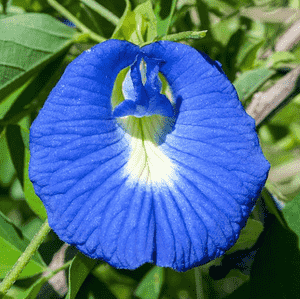
Butterfly pea (Clitoria ternatea)
Also known as: Bluebellvine, Darwin pea
The butterfly pea plant holds cultural and practical significance in India and Southeast Asia. In India, its flowers are considered sacred and often used in daily puja rituals. The distinctive shape of the flowers inspired the plant’s Latin name, Clitoria ternatea. In Southeast Asia, the plant's flowers serve as a natural food dye for various dishes and beverages. Additionally, the plant has applications in traditional medicine, such as Ayurveda, where it is utilized for its purported health benefits. The pods and leaves are also consumed as vegetables in some regions.
Attributes of Butterfly pea
Images of Butterfly pea
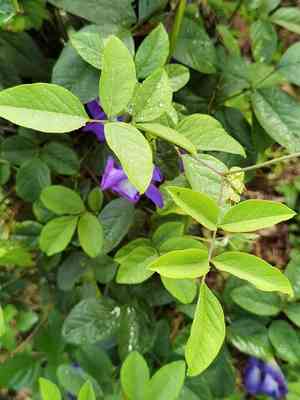
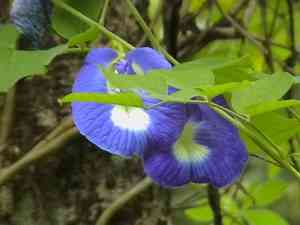
Quickly Identify Butterfly pea
Scientific Classification of Butterfly pea
Planting and Growing of Butterfly pea
 How to Water Butterfly pea?
 What Are the Sunlight Requirements for Butterfly pea?
 What Is the Ideal Temperature Range for Butterfly pea?
 What Soil is Best for Butterfly pea?
 How to Fertilize Butterfly pea?
 How to Prune Butterfly pea?
 How to Propagate Butterfly pea plant?
 How to Repot Butterfly pea plant?
Toxicity of Butterfly pea
Is Butterfly pea toxic to humans?
The butterfly pea plant, belonging to the legume family, is typically not suitable for human consumption and possesses toxic substances in its roots and seeds. Ingesting it can lead to severe digestive disturbances, manifesting as nausea, vomiting, and diarrhea. Even a mild tea brewed from the flowers has been known to induce these adverse reactions in adult individuals. Consuming a large quantity can lead to prolonged discomfort and potentially serious health issues. It is advisable to keep small children away from this plant.



