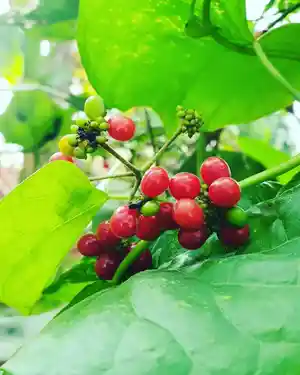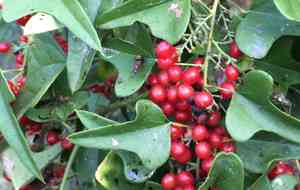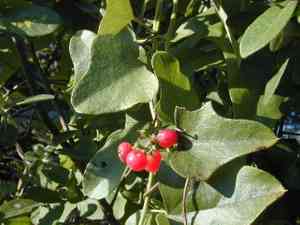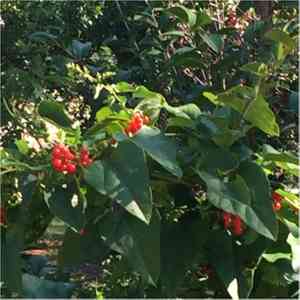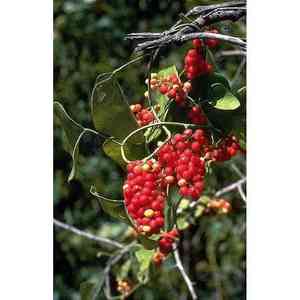
Carolina coralbead(Cocculus carolinus)

Carolina coralbead (Cocculus carolinus)

Also known as: Carolina snailseed

American pokeweed (Phytolacca americana) is a plant species native to the eastern and central United States. Typically found in woodlands, it grows rapidly in gardens. However, it is poisonous if consumed in large amounts.

Attributes of Carolina coralbead

Lifespan
Perennial
Plant Type
Vine
Plant Height
3 m to 4 m
Spread
1.5 m to 1.8 m
Leaf Color
Green
Flower Size
2.5 cm
Flower Color
White Green

PlantJoy - Identify plants with a snap

Identify and diagnose plants, get toxicity alerts, and explore safety guides for all types of fungi.

Try for Free

Images of Carolina coralbead

Carolina coralbead(Cocculus carolinus)

Quickly Identify Carolina coralbead

1
Twining stems reaching 12 feet (3.66 meters) with climbing ability.
2
Large, glossy leaves twice as long as wide, varying in shape.
3
Tiny, greenish-white flowers in drooping clusters, subtle fragrance.
4
Dark red pea-sized fruit in clusters, resembling waning gibbous moon.
5
Slender, smooth stems less than 0.5 inches (1.3 cm) in diameter, sparse branching.

Scientific Classification of Carolina coralbead

Phylum
Vascular plants
Class
Dicotyledons
Order
Ranunculales
Family
Moonseed
Genus
Moonseeds
Species
Carolina coralbead

Planting and Growing of Carolina coralbead

Care Difficulty
Easy
Watering Schedule
Every 2 days
Sunlight Requirements
Partial sun
Sunshine Duration
6-10 hours
Ideal Temperature
60-75℉
Soil Type
Potting Mix, Peat Mix
Soil pH
6.5-7.5
Fertilizer Type
Balanced
Pruning Season
Spring, Summer
Pruning Area
Branches, Leaves
Pruning Frequency
2 times a year
Repotting Season
Spring
Pot Type
Plastic, Ceramic

water icon How to Water Carolina coralbead?

Cocculus carolinus, commonly known as Carolina snailseed, requires about 250 milliliters of water per watering session. The goal is to keep the soil slightly moist but not waterlogged. Ensure that the water reaches approximately 5-10 cm deep into the soil to promote root health without causing any root rot.
What are the symptoms of an underwatered Carolina coralbead?
What should I do if my Carolina coralbead is not getting enough water?
What are the symptoms of an overwatered Carolina coralbead?
How to save an overwatered Carolina coralbead?

sunlight icon What Are the Sunlight Requirements for Carolina coralbead?

Sunlight Requirements: Partial sun, Full sun
Duration of light: 6-8 hours daily
Cocculus carolinus benefits from partial to full sun exposure. Good lighting supports photosynthesis, flowering, and healthy growth, promoting vibrant foliage and fruiting.
What is the best lighting condition for Cocculus carolinus?
How can you achieve ideal lighting for Cocculus carolinus?
What are the benefits of ideal lighting for Cocculus carolinus?

temperature icon What Is the Ideal Temperature Range for Carolina coralbead?

Ideal Temperature: 60 ~ 75℉
The ideal temperature range for Cocculus carolinus is between 60°F and 75°F. This range ensures that the plant grows optimally, encouraging healthy foliage and vine growth. Staying within this range can help avoid stress that might impede its development.

soil icon What Soil is Best for Carolina coralbead?

Soil type: Loam, Sandy loam
Soil PH: 6.5 ~ 7.5
Cocculus carolinus thrives best in well-drained soil, helping to prevent root rot and other water-related issues. This improves its overall health and encourages robust growth by ensuring the roots have access to both air and moisture. The plant favors nutrient-rich soil, which supports healthy foliage and produces vibrant berries. Organic matter or compost can be added to the soil to boost nutrient levels, promoting sustained growth and reproductive success. The soil should have the capacity to retain moderate moisture without becoming waterlogged. This balances the plant's hydration needs with the risk of fungal infections or other diseases that thrive in overly wet conditions.

fertilize icon How to Fertilize Carolina coralbead?

Fertilizer type: Balanced
Cocculus carolinus requires a balanced approach to fertilization. When using liquid fertilizers, apply at a dilution rate of half to avoid nutrient burn. A slow-release granular fertilizer can be applied at a rate of 1/4 cup per plant annually.

prune icon How to Prune Carolina coralbead?

Pruning Time: Spring, Summer, Autumn
Begin by reviewing the plant's overall size and shape. Identify areas that need thinning and determine which branches block sunlight or air circulation. Having a clear pruning outline will enable more effective trimming. Gather sharp, clean pruning shears for small branches and a pruning saw for thicker parts. Using the right tools minimizes plant stress and ensures cleaner cuts, reducing the risk of infection. Cut away any dead, diseased, or damaged branches. Make clean cuts close to the trunk or main branch. This maintains plant health by preventing the spread of disease and enhancing overall appearance. Select areas to thin by cutting back overcrowding branches to improve light penetration and air movement within the canopy. Shape the plant to maintain its natural form or desired look for aesthetic purposes.

propagate icon How to Propagate Carolina coralbead plant?

Propagate Time: Spring,Early spring,Late spring
1
Start by collecting mature seeds from the plant. Clean and dry the seeds thoroughly before planting. This will improve germination rates by reducing the chance of fungal infections.
2
Select healthy, non-flowering stems for cuttings. Cut the stems just below a node using sterilized pruning shears to reduce the risk of infections.
3
Choose a low-lying branch and partially bury it in the soil to encourage root growth. Weigh down the branch to ensure constant contact with the soil and keep it moist.

repot icon How to Repot Carolina coralbead plant?

Repotting frequency: Every 2-3 years
1
Cocculus carolinus needs repotting when roots outgrow the pot, visibly circling the bottom. Annual inspection during spring is ideal. If plant growth slows dramatically or water drains poorly, it’s time to repot, ensuring the plant continues to flourish.
2
Choose a pot slightly larger than the current one with excellent drainage. This prevents roots from sitting in water, reducing the risk of root rot and ensuring optimal aeration for healthy growth. A pot with drainage holes and a wide mouth is ideal.
3
Use a well-draining potting mix rich in organic matter. This type of soil maintains adequate moisture without waterlogging, providing ideal conditions for root health and vigor. It ensures the plant receives necessary nutrients while being resistant to pests and diseases.

PlantJoy - Identify plants with a snap

Find the best spots for them to optimize their health, simply using your phone.

Try for Free

Toxicity of Carolina coralbead

Is Carolina coralbead toxic to humans?

Carolina coralbead is recognized for its low toxicity toward humans, with all parts of the plant harboring toxic compounds. Poisoning primarily results from the excessive consumption of the berries, which pose significant risks due to their elevated alkaloid levels. Although the effects are generally non-fatal, symptoms typically encompass gastrointestinal discomforts such as vomiting, diarrhea, and abdominal pain. The risk is particularly high for children who are often drawn to the striking red berries. Some indications suggest that carolina coralbead may lead to skin irritation upon direct contact, although this evidence remains inconclusive.

Is Carolina coralbead toxic to cat?

The Carolina coralbead exhibits mild toxicity in felines. The likelihood of poisoning escalates when a cat consumes substantial amounts of its fruits, the portions of the plant that are considered toxic. Upon ingestion, cats may show signs of physical distress or illness. If poisoning is suspected, prompt veterinary assistance is essential to safeguard the well-being of the affected cat.

Is Carolina coralbead toxic to dog?

Carolina coralbead presents a moderate toxicity risk to dogs, particularly when they consume the plant in substantial quantities. The parts of carolina coralbead that are toxic are its fruit, which can be alluring to dogs due to their appearance. If a dog eats a considerable amount of these fruits, it may show symptoms that suggest poisoning. Such symptoms might consist of gastrointestinal distress, vomiting, diarrhea, and lethargy. It is vital for dog owners to keep a watchful eye on their pets and restrict access to the fruits of carolina coralbead to prevent potential poisoning episodes. Should a dog ingest portions of carolina coralbead, notably in large quantities, prompt veterinary intervention is crucial to ensure appropriate care and treatment.

Identify toxic plants for your safety

Learn which plants are harmful to you and your pets, and make informed choices for a safer home!

Try for Free
WARNING
The judgment on toxicity and danger is for reference only. We DO NOT GUARANTEE any accuracy of such judgment. Therefore, you SHALL NOT rely on such judgment. It is IMPORTANT TO SEEK PROFESSIONAL ADVICE in advance when necessary.