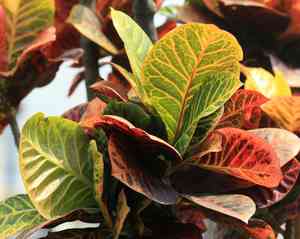
Garden croton (Codiaeum variegatum)
Also known as: Croton
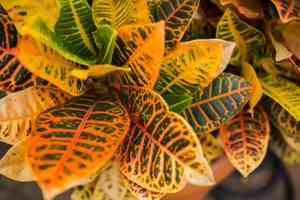
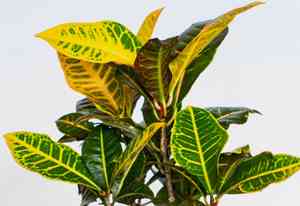
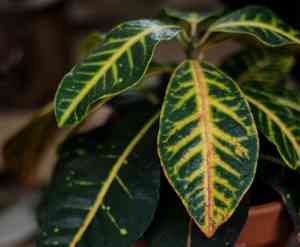
The garden croton is a vibrant tropical plant that thrives indoors and in warm climates. Its eye-catching foliage showcases a range of colors such as green, yellow, red, orange, purple, and even pink. Often, these colors appear together on a single plant, creating stunning patterns and variegations.
Attributes of Garden croton
Images of Garden croton
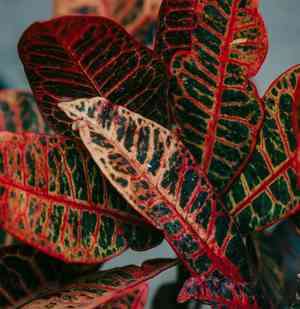
Quickly Identify Garden croton
Scientific Classification of Garden croton
Planting and Growing of Garden croton
 How to Water Garden croton?
 What Are the Sunlight Requirements for Garden croton?
 What Is the Ideal Temperature Range for Garden croton?
 What Soil is Best for Garden croton?
 How to Fertilize Garden croton?
 How to Prune Garden croton?
 How to Propagate Garden croton plant?
 How to Repot Garden croton plant?
Toxicity of Garden croton
Is Garden croton toxic to humans?
The garden croton possesses toxic compounds that can provoke a reaction upon contact with its sap or through puncture wounds caused by its thorns. A rash is likely to develop in the area that has been affected. Additionally, ingesting garden croton is hazardous, particularly for small children who might be drawn to its vibrant foliage, potentially leading to symptoms such as vomiting, rash, and diarrhea.
Is Garden croton toxic to cat?
The garden croton plant poses a toxicity risk to cats. If a cat accidentally consumes any part of this plant, it may suffer from poisoning. Symptoms can manifest as signs of physical distress, including gastrointestinal issues like vomiting or diarrhea, as well as oral irritation. It is essential for cat owners to remain alert and keep their cats away from garden croton. Should there be any suspicion of poisoning, it is vital to quickly seek medical attention at a veterinary clinic to safeguard the health and welfare of the affected cat.
Is Garden croton toxic to dog?
The garden croton plant is regarded as toxic to dogs. When dogs consume any parts of this plant, they can suffer from poisoning due to its inherent toxicity. Every part of the garden croton, including leaves, stems, flowers, and others, is toxic, meaning a dog can be poisoned by biting into any of these components. Symptoms of poisoning in dogs may manifest as vomiting, diarrhea, excessive drooling, and possibly other severe reactions, which can vary based on the quantity ingested and the individual dog's sensitivity. It is essential for dog owners to keep their pets away from garden croton and to closely observe for any signs of distress following exposure. If there is a suspicion that a dog has consumed any part of garden croton, it is crucial to seek prompt veterinary assistance to facilitate timely and proper treatment.



