
Taro (Colocasia esculenta)
Also known as: Yam, Madhumbe, Magogoya, Arbi, Caladium, Malanga , Coco yam, Dasheen
Taro (Colocasia esculenta), originating from southern India and Southeast Asia, is a tropical plant primarily cultivated for its edible starchy roots. It holds historical significance as one of the oldest cultivated crops and is used in a variety of culinary dishes.
Attributes of Taro
Images of Taro
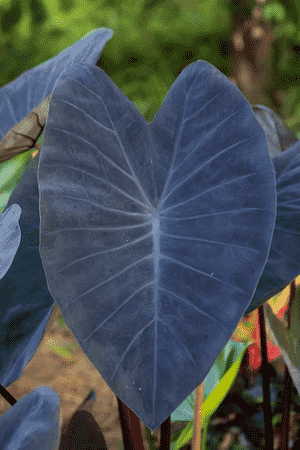
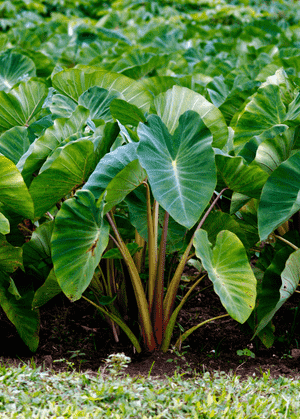
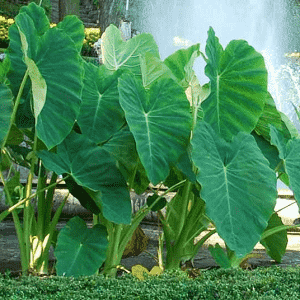
Quickly Identify Taro
Scientific Classification of Taro
Planting and Growing of Taro
 How to Water Taro?
 What Are the Sunlight Requirements for Taro?
 What Is the Ideal Temperature Range for Taro?
 What Soil is Best for Taro?
 How to Fertilize Taro?
 How to Prune Taro?
 How to Propagate Taro plant?
 How to Repot Taro plant?
Toxicity of Taro
Is Taro toxic to humans?
When consumed in an improper manner or uncooked, taro can pose significant risks to human health due to its inherent toxic properties. The severity of these effects can range from mild to severe, primarily caused by the presence of calcium oxalate crystals found throughout the plant. Symptoms may include a burning sensation and swelling in the mouth, difficulty in breathing and swallowing, pain, vomiting, and excessive salivation. Even minimal contact with the mouth can lead to irritation and a burning feeling. Children are particularly susceptible to the adverse effects of this plant, so it is crucial to keep it out of their reach if you choose to cultivate taro as an ornamental plant in your garden.
Is Taro toxic to cat?
Masticating any portion of the taro plant (Colocasia esculenta) results in the release of calcium oxalate crystals, which are moderately harmful to cats. These crystals can cause significant mouth irritation, leading to pain and swelling. If ingested, they may induce vomiting and diarrhea. In some instances, the swelling in the airway can make breathing difficult for the cat. In these situations, seeking veterinary assistance may be required.
Is Taro toxic to dog?
Taro possesses a moderate level of toxicity for dogs upon ingestion. Signs may involve discomfort and swelling in the mouth, tongue, and lips, along with excessive drooling, vomiting, and trouble swallowing, after chewing any part of the plant. Additionally, it has the potential to cause kidney damage, so it is recommended that you reach out to your veterinarian if you believe your dog has consumed this plant.



