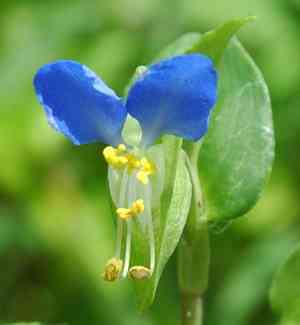
Asiatic dayflower (Commelina communis)
Also known as: Asiatic dayflower, Blue dayflower
The Japanese morning glory (Ipomoea nil) is an annual vine recognized as an invasive species in numerous regions. Famous for its stunning flowers that bloom for just one day, this plant has proliferated globally. In Japan and China, it is utilized to produce blue and green pigments.
In This Article
Attributes of Asiatic dayflower
Lifespan
Annual, Perennial
Plant Type
Herb
Plant Height
30 cm to 46 cm
Spread
60 cm to 3 m
Leaf Color
Green
Flower Size
1.3 cm to 2.5 cm
Flower Color
Blue White Yellow Purple Gold
Images of Asiatic dayflower
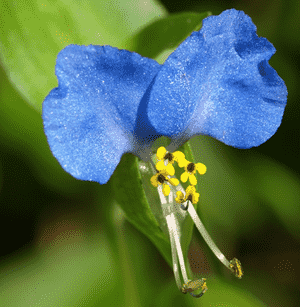
Quickly Identify Asiatic dayflower
1
Sprawling habit, rooting at stem joints for quick colonization.
2
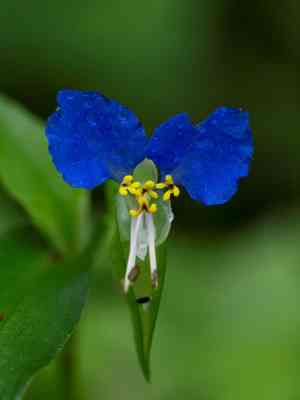
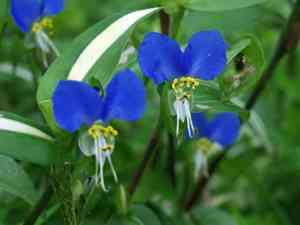
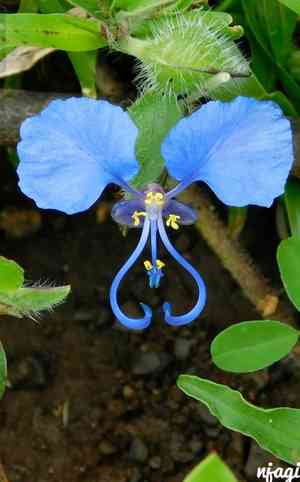
Distinct blue and purple flowers, lasting a single morning day.
3
Seed capsule divided into 2 cells, each holding 2 dark seeds.
4
Hairless lance to egg-shaped leaves with membranous sheath.
5
Smooth, glossy green stem, with sparse branching at nodes.
Scientific Classification of Asiatic dayflower
Phylum
Vascular plants
Class
Monocotyledons
Order
Spiderworts and allies
Family
Spiderwort
Genus
Dayflowers
Species
Asiatic dayflower
Planting and Growing of Asiatic dayflower
Care Difficulty
Easy
Watering Schedule
Every 4 days
Sunlight Requirements
Partial sun
Sunshine Duration
4-8 hours
Ideal Temperature
65-77℉
Soil Type
Potting Mix, Peat Mix
Soil pH
5.6-7.5
Fertilizer Type
Balanced
Pruning Season
Spring, Summer
Pruning Area
Branches, Leaves
Pruning Frequency
2 times a year
Repotting Season
Spring
Pot Type
Plastic, Ceramic
 How to Water Asiatic dayflower?
For Commelina communis, water the soil thoroughly until water slightly runs out of the drainage holes, ensuring the root zone is properly moistened without leaving the plant in a pool of water. This helps mimic its natural environment, which is moist but not waterlogged.
What are the symptoms of an underwatered Asiatic dayflower?
›
What should I do if my Asiatic dayflower is not getting enough water?
›
What are the symptoms of an overwatered Asiatic dayflower?
›
How to save an overwatered Asiatic dayflower?
›
 What Are the Sunlight Requirements for Asiatic dayflower?
Partial sun to full shade is ideal, where the plant benefits from the gentler side of natural light. This reduces stress factors, enabling optimal growth and the maintenance of lush, healthy foliage.
What is the ideal light condition for Commelina communis?
›
What are some solutions to ensure ideal lighting for Commelina communis?
›
What are the benefits of Commelina communis receiving the ideal light conditions?
›
 What Is the Ideal Temperature Range for Asiatic dayflower?
The ideal temperature range for Commelina communis growth is between 65°F and 77°F. This range provides the optimal conditions for photosynthesis and promotes healthy development. Within this temperature range, the plant can absorb nutrients efficiently, leading to robust growth and vibrant foliage. Maintaining these conditions ensures the plant can thrive both indoors and outdoors, depending on the climate.
 What Soil is Best for Asiatic dayflower?
Commelina communis thrives in soil rich in organic matter. This helps in sustaining continuous growth and maintaining the plant's vibrant greenery. Organic-rich soil often has better water retention, which is pivotal for this plant. Well-draining soil is crucial to prevent root rot. Commelina communis does not tolerate waterlogged conditions well, so ensuring that excess water can escape is important for its health. While Commelina communis dislikes standing water, it does enjoy a consistently moist environment. Achieving this balance helps in avoiding stress and encourages luscious growth throughout the season.
 How to Fertilize Asiatic dayflower?
Commelina communis, commonly known as the Asiatic dayflower, thrives best with a balanced nutrient supply. Use a well-diluted balanced liquid fertilizer, aiming for a mix ratio of about 1/4 of the recommended label rate per gallon of water to ensure healthy growth without overfeeding.
 How to Prune Asiatic dayflower?
First, identify any dead or diseased stems. These should be removed right away to prevent any further spread of disease. Also, look for stems that are overgrown or growing into the space of other plants. Using sharp scissors or garden shears, make clean cuts just above a leaf node. This encourages the plant to produce new, healthy shoots from where you've trimmed. Always cut at a slight angle to allow water runoff, reducing the chance of rot setting in. Trim the plant evenly to maintain a compact shape. This promotes a fuller appearance and ensures that all parts of the plant receive adequate sunlight, reducing the risk of uneven growth.
 How to Propagate Asiatic dayflower plant?
1
Collect seeds from mature Commelina communis plants. Allow the seed pods to dry on the plant before picking. Store the seeds in a dry and cool place until you’re ready to plant.
2
Use well-draining potting soil. Ensure the soil is evenly moist but not waterlogged. Fill trays or pots with this soil mix to prepare for seeding or planting cuttings.
3
Take healthy cuttings from the plant. Remove the lower leaves and dip the cut end in rooting hormone. Plant the cutting in moist potting mix and cover with a plastic bag to maintain humidity.
 How to Repot Asiatic dayflower plant?
1
Look for signs like roots growing out of the drainage holes, compacted soil, or slowed growth. These indicators mean it's time to repot, ensuring the plant has room to grow and access to fresh nutrients.
2
Pick a pot that is one size larger than the current one, ideally with drainage holes. A slightly larger pot provides ample space for root expansion and prevents waterlogging, which is essential for healthy growth.
3
Opt for well-draining potting soil to prevent water stagnation. This type of soil balances moisture retention with aeration, crucial for the plant's roots to breathe and absorb nutrients effectively.



