
Field bindweed (Convolvulus arvensis)
Also known as: Possession vine, Cornbind
Field bindweed (*Convolvulus arvensis*), originally from Eurasia and related to morning glory, is notorious for being an invasive species in non-native regions. It competes aggressively with other plants for sunlight and moisture. Eradicating this plant is particularly challenging due to its deep, extensive root system, which can regenerate even if the plant is cut down. Additionally, its seeds can stay viable in the soil for many years, making it a persistent problem.
Attributes of Field bindweed
Images of Field bindweed
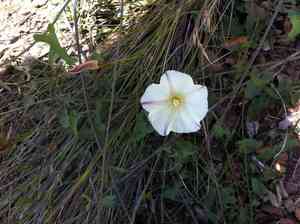
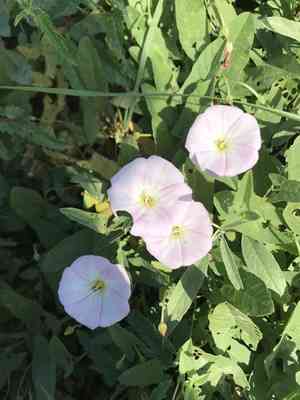
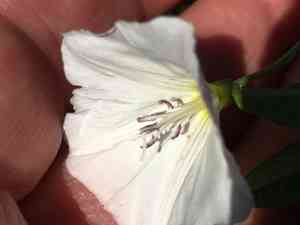
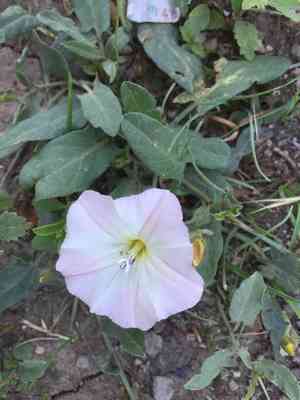
Quickly Identify Field bindweed
Scientific Classification of Field bindweed
Planting and Growing of Field bindweed
 How to Water Field bindweed?
 What Are the Sunlight Requirements for Field bindweed?
 What Is the Ideal Temperature Range for Field bindweed?
 What Soil is Best for Field bindweed?
 How to Fertilize Field bindweed?
 How to Prune Field bindweed?
 How to Propagate Field bindweed plant?
 How to Repot Field bindweed plant?
Toxicity of Field bindweed
Is Field bindweed toxic to cat?
Field bindweed represents a significant risk to the health of felines, as all components of the plant contain harmful toxins. Cats might unknowingly consume parts of field bindweed, resulting in various signs of physical discomfort. Given the risk of toxicity, it is essential for cat guardians to observe their pets diligently, especially in environments where field bindweed is present. Should there be any suspicion of ingestion, it is vital to obtain prompt veterinary assistance to safeguard the cat's health and well-being.
Is Field bindweed toxic to dog?
Field bindweed is regarded as a toxic plant for dogs. Canines may inadvertently consume various parts of this plant, which could result in potential poisoning. The whole plant, encompassing leaves, stems, flowers, and roots, poses a danger if ingested. Dogs that have eaten field bindweed may display symptoms such as gastrointestinal disturbances, vomiting, diarrhea, or more severe reactions depending on the quantity consumed. It is crucial for dog owners to vigilantly supervise their pets and restrict their access to regions where field bindweed is present. If a dog is believed to have ingested any segment of field bindweed, prompt veterinary intervention is essential to guarantee appropriate treatment and care.



